
Is weak trial conversion an acquisition problem or an onboarding problem?
Short answer
Measure how many trials reach first real value, split by where they came from. If that share is low across every source, your onboarding is the problem. If it swings wildly between sources, you are attracting the wrong people from some of them. One number, split one way, separates two problems that get confused constantly.
Define first real value before you measure anything
The whole method rests on one definition, so spend an hour getting it right.
First real value is the moment a trial user has done the thing your product exists to do, once, successfully. Not signed up. Not clicked around. Done the job.
For a reporting product it might be connecting a data source and seeing their own numbers. For a scheduling product it might be sending one message that gets a reply. The test is whether a user who did this and then stopped would still be able to describe what your product does.
Pick it, write it down, and instrument it. Almost every company that struggles with this question has never defined it, which is why the argument never resolves.
Split the number by source
Now measure the share of trials reaching first value, broken down by where each one came from.
| Source | Trials | Reached first value | Converted to paid |
|---|---|---|---|
| Comparison pages | 84 | 61% | 19% |
| Integration pages | 66 | 58% | 17% |
| Free tool | 240 | 22% | 3% |
| Blog posts | 155 | 26% | 4% |
| Paid social | 190 | 19% | 2% |
Read the middle column. Two sources get most people to value and three do not. That spread is your answer.
If every row had been between 20% and 26%, the product would be failing everyone equally and you would have an onboarding problem. Instead, people arriving from comparison and integration pages succeed at nearly three times the rate. Same onboarding, same product, very different people.
That is an acquisition problem, and specifically a problem with three sources rather than with your product.
Read the two patterns
| What you see | What it is | What to do |
|---|---|---|
| Low everywhere, similar across sources | Onboarding | Fix the first session, not the traffic |
| Wide spread between sources | Acquisition | Cut or repoint the weak sources |
| High value rate, low paid conversion | Neither, it is pricing or packaging | Look at the offer, not the funnel |
| Good on small sources, poor on the biggest | Acquisition, but check volume first | Your best source may just be small |
The third row catches people out. If users are reaching value and still not paying, onboarding worked and acquisition worked. The problem is what you asked for at the end, which is a different investigation entirely.
Fix an onboarding problem at the first session
If the number is low everywhere, the useful work is in the first ten minutes.
Find the step where most trials stop. Usually it is a setup requirement: connecting a data source, inviting a colleague, importing something. Then ask whether that step can happen later, or be done with sample data, or be done for the user.
The strongest version is letting someone see value before setup at all. Sample data that shows what their result will look like moves this number more than any email sequence.
Fix an acquisition problem at the topic, not the ad
If the spread is wide, the temptation is to change the landing page for the weak sources. That rarely works, because the page is not what selected those people.
What selected them is the topic. A free tool attracts people who want a free tool. A blog post about a broad concept attracts people learning. Neither group arrived intending to evaluate software.
So the fix sits upstream, in what you publish and where you advertise. How do I find topics that attract buyers instead of students and researchers covers the topic side, and does our offer match the audience our SEO attracts covers the wider mismatch.
Analyze AI helps you see which topics bring the people who succeed. The Page-Keyword Breakdown node returns the searches behind each page, so you can pair your trial data with the exact wording that brought each group in.
Check whether your best trials are labelled wrong
One measurement trap can invert this whole table.
GA4 only started reporting an AI Assistant channel on 13 May 2026, and it does not fill in the months before that. Anything from Perplexity has been arriving as Referral, because Perplexity has not appeared on Google's source list. Clicks from Google's own AI Overviews and AI Mode are counted as Organic Search instead, and a visit with no referrer at all becomes Direct. Read Google's channel definitions rather than any published list.
The practical effect is that assistant-referred trials, which often arrive late in the buying process and convert well, can be scattered across three buckets. Analyze AI reports them separately in AI Traffic Analytics, which stops a strong small source disappearing into Direct and being ignored.
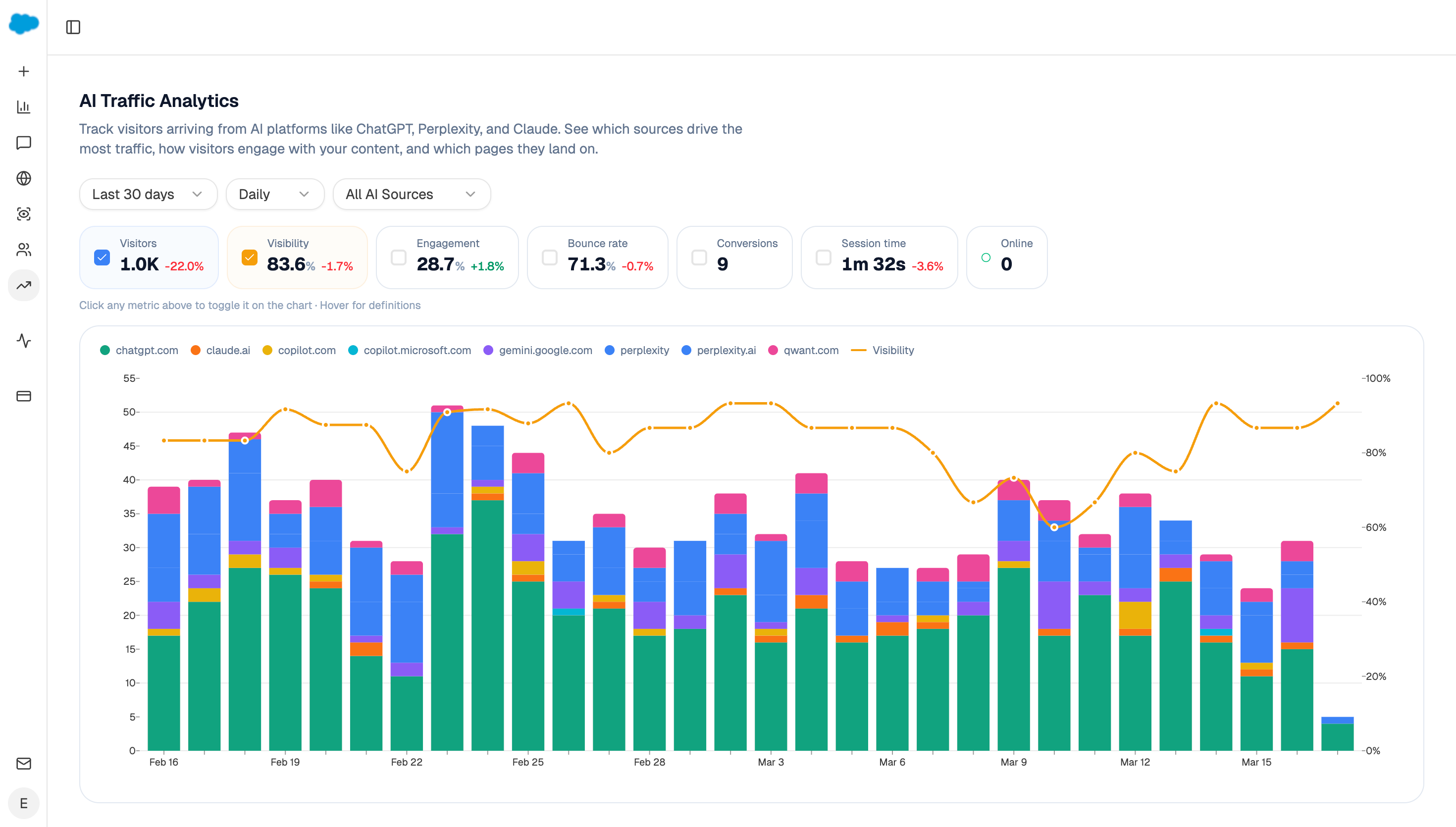 Assistant sessions are reported as their own channel, so a strong small source does not disappear into Direct.
Run the split automatically
Start (schedule, monthly) → GA4 Page Breakdown and AI Landing Pages for trial signups by source → HubSpot Search Contacts for trial accounts and their first-value event → Code node working out the value rate and paid rate per source → Conditional deciding whether the spread is wide or narrow → Send Notification naming which problem you have this month.
Having the agent name the problem rather than send the table is deliberate. Everybody reads the same table and sees the answer they already believed.
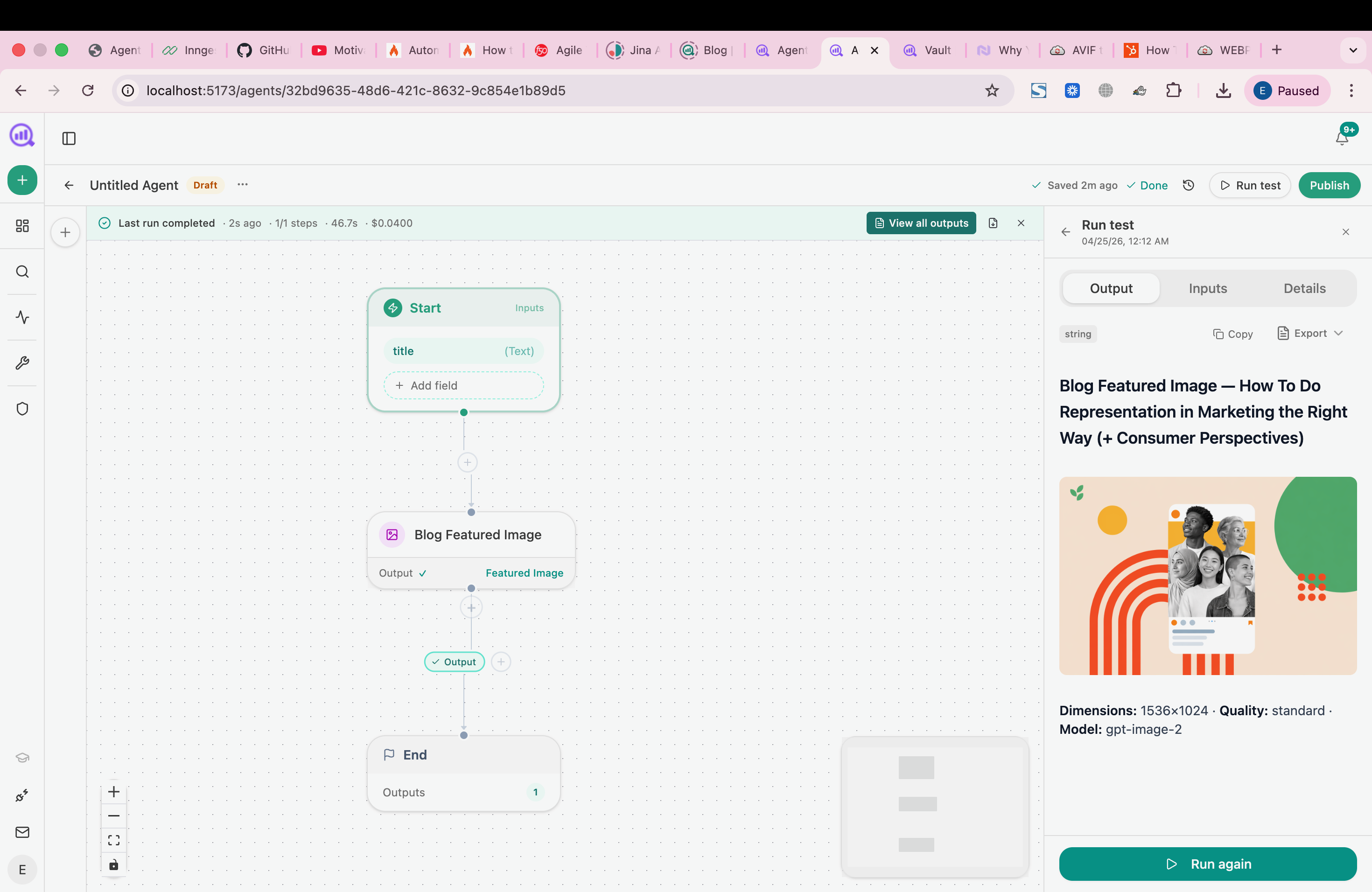 The monthly split is a workflow on this canvas, chaining the GA4 and HubSpot nodes into a Code step.
FAQ
Related answers
- Where is our organic funnel actually leaking?
- Does our offer match the audience our SEO attracts?
- How can I tell whether our growth problem is acquisition, conversion, activation, or retention?
- Which pages produce qualified opportunities rather than just form fills?
Find out which problem you actually have
Analyze AI splits your trials by the page and search that brought them, so onboarding and acquisition stop being confused.
Start your free trial