



Summarize this blog post with:


In this article, you’ll learn how to outrank Zillow, Trulia, and Redfin on the keywords that generate buyers and sellers in your market. You’ll find a six-tactic playbook covering local search, keyword research, content, trust signals, technical fundamentals, and backlinks, plus a measurement framework and a list of mistakes to avoid. Each tactic shows you what to do for Google and for the AI engines buyers now use alongside it.
Table of Contents
Why real estate SEO is hard right now
Three forces make ranking difficult for small and mid-size agencies.
National portals dominate the SERP. Zillow ranks for over four million keywords. Their top keyword is the brand name itself, with more search volume than “houses for sale” or “apartments.” Aggregators have the authority signals Google rewards, including thousands of referring domains and inventory covering every market.
Local competition is also crowded. In any city worth serving, you compete with the national brands and a handful of local agencies that started investing in SEO years ago.
Real estate is treated as Your Money or Your Life content. Google holds these pages to a higher trust standard, so weak EEAT signals get punished harder.
Buyers also ask ChatGPT, Perplexity, and Gemini for neighborhood research, school information, and shortlists of agents. The path from search to lead is no longer a single channel. The good news is that the tactics that win in Google also tend to win in AI answers, because both reward depth, originality, and credible sources. SEO is not being replaced. It is being extended into a second organic channel you can compound alongside the first.
1. Outrank big sites with an optimized Google Business Profile
A well-built Google Business Profile is your primary local advantage. The map pack often sits above regular organic results, which means a strong profile can outrank Zillow on a city-level query without any backlinks.
Most agents already have a profile. The opportunity is making it work harder.
List each office or branch separately. Google ranks profiles based on the searcher’s distance from the business. If you serve three cities, you need three profiles tied to three real addresses.
Treat reviews as your top ranking lever. Number, freshness, average rating, owner responses, and keyword content inside reviews all feed into local rank. Reviews from people you helped without a transaction count too. A buyer who toured five homes with you and bought from a colleague can still leave a review.
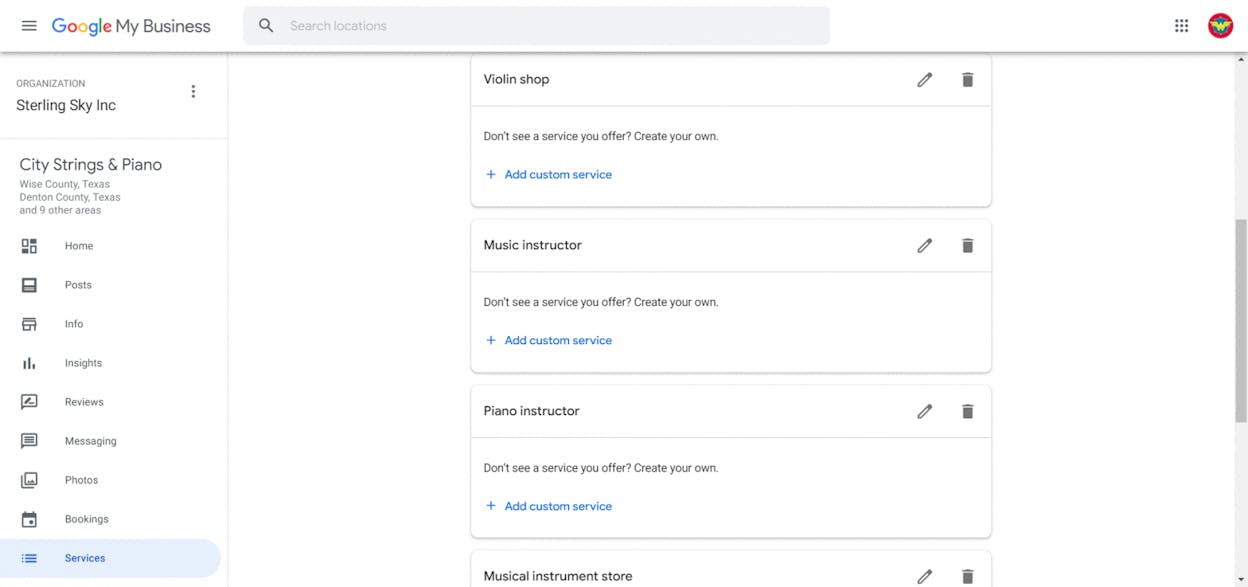
List every service you offer. Buyer’s agent, listing agent, relocation, luxury, condos, foreclosures, rentals. Each service is a chance to surface for a specific search.
Add photos of your team, not just listings. Most profiles in real estate show stock-style property photos. A photo of you and your client at a closing is more memorable, and it signals that real people work here.
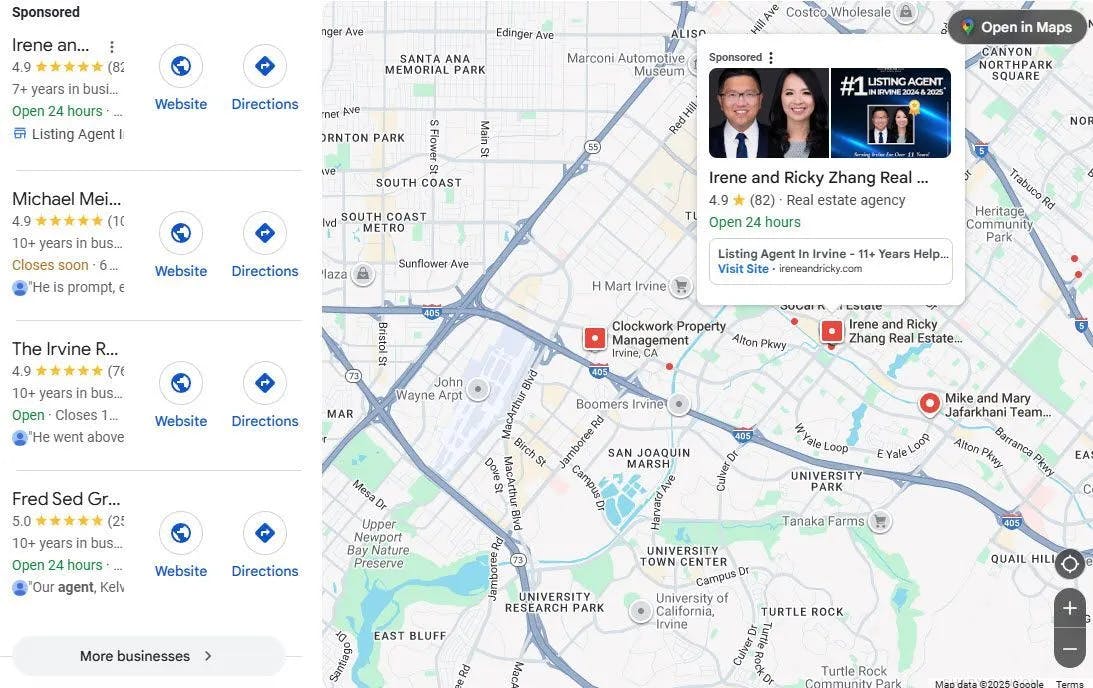
The AI search angle. ChatGPT and Gemini both pull from Google Maps data when answering questions like “best real estate agents in [city].” Your profile is the underlying entity these answers are built from. The same investment that lifts your map pack ranking also makes you more likely to be named in an AI answer.
To see whether you appear in those answers, run an ad hoc prompt search inside Analyze AI. Type the query a buyer would ask, pick the engine, and see who gets named.
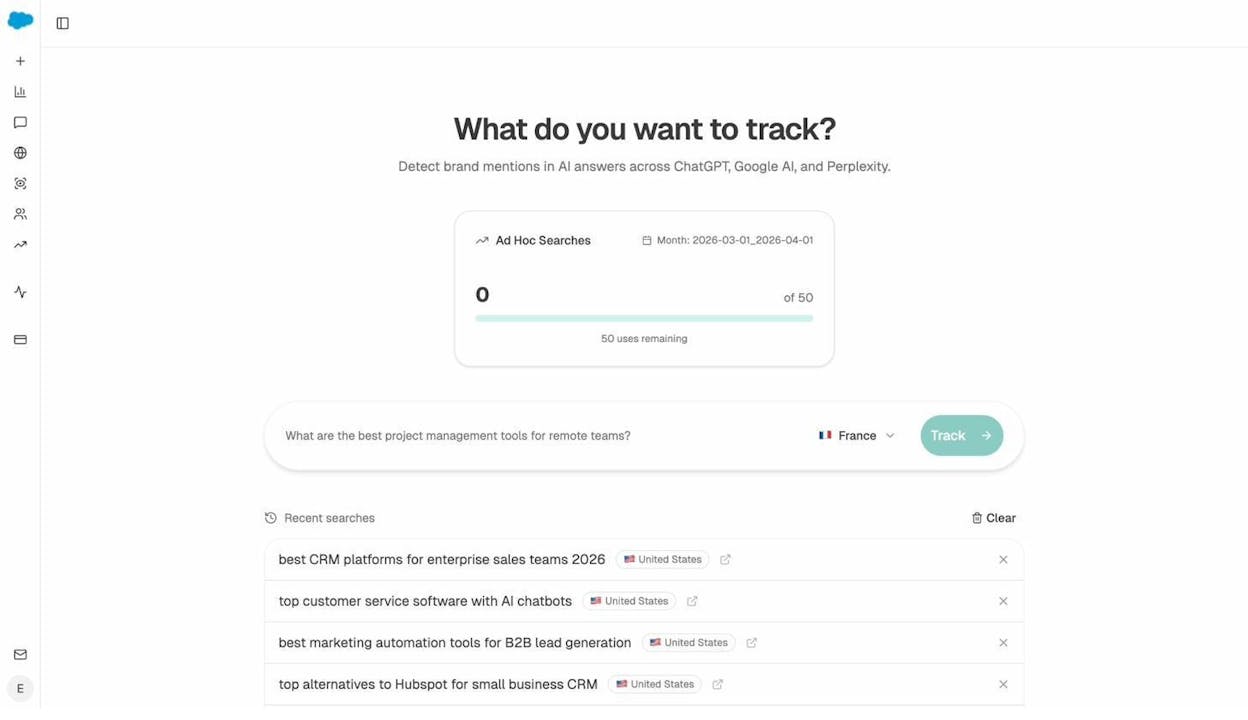
If your agency is missing while three competitors get named, you have a clear gap to close.
2. Target realistic keywords, even when volume looks small
Keyword strategy for boutique real estate is the opposite of what big sites do. They go wide. You go deep. The goal is queries with high buyer intent, low competition, and clear ties to your service area.
Four keyword types are worth chasing.
Hyperlocal keywords
These include neighborhood names, street names, building names, school zones, ZIP codes, and “city A vs city B” comparisons. Volume per query looks small, but they convert at rates broad terms cannot match.
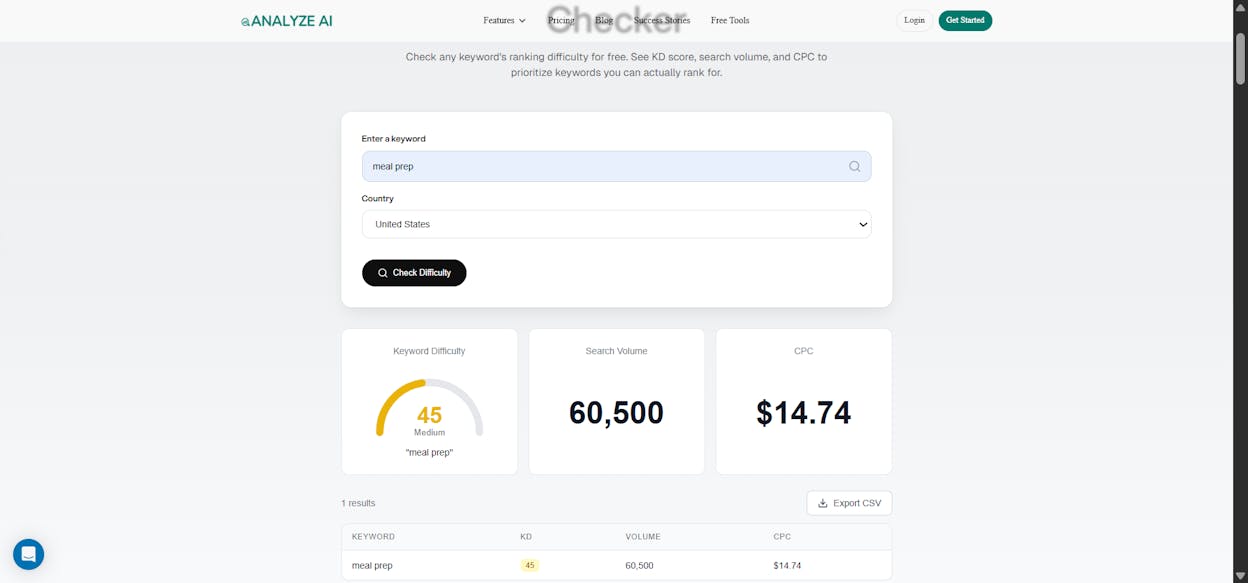
The workflow inside the Analyze AI Keyword Generator:
-
Start with broad seed terms tied to your area. For Las Vegas you would use “las vegas, summerlin, henderson, green valley, fremont street, charleston heights.”
-
Pull matching terms and filter for property modifiers like “real estate, homes, condos, properties, for sale, for rent.”
-
Filter to a keyword difficulty of 30 or less.
-
Export the list. Group keywords by neighborhood and intent.
Some pros argue that even zero-volume keywords are worth targeting in real estate. The example often given is “yard sign searches,” where a buyer drives through a neighborhood, sees a sign with an address, and types that exact address into Google. Per query the volume is one or two searches. Across hundreds of properties it is meaningful traffic with very high intent.
Question and terminology keywords
Buyers and sellers ask the same questions over and over. “What is earnest money?” “How long does closing take?” “What does pending mean in real estate?” Pages that answer these questions earn informational traffic and create trust before a buyer fills out a form.
Local guide keywords
These cover everything around the property, not the property itself. Restaurants, schools, hiking trails, surf shops, the best coffee in a neighborhood. Boutique agencies have used these to build content libraries that rank in the top ten for queries like “things to do in Santa Cruz.”
To find them, search Google for “blogs about [your area],” open the top three results, and pull the keywords those sites rank for using a SERP checker.
Unique-feature and scenario keywords
“Pet-friendly condos in [neighborhood].” “Townhomes with low HOA fees.” “Homes near [specific school].” Volume is low. Intent is high. Build a list of modifiers (“with, near, for, close to, low, no, friendly, walkable”) and pair them with property types and your service areas.
|
Keyword type |
Volume per query |
Intent |
Difficulty |
|---|---|---|---|
|
Hyperlocal |
Low to medium |
High |
Low to medium |
|
Questions and terminology |
Medium to high |
Informational |
Medium |
|
Local guides |
Medium |
Informational |
Low to medium |
|
Unique features |
Very low |
Very high |
Low |
How buyers ask AI engines
The same buyer who searches “homes for sale in Silver Lake” on Google will ask ChatGPT something different, like “what neighborhoods in LA are good for families with toddlers and a dog under $1.2M?” The keyword maps to a prompt, and prompts are longer, more conversational, and more constraint-loaded.
You can find the prompts that matter in your market with Analyze AI’s Prompt Discovery, which surfaces queries buyers use across ChatGPT, Perplexity, Gemini, and Copilot. The interface also suggests prompts to track based on your service area and competitor set.
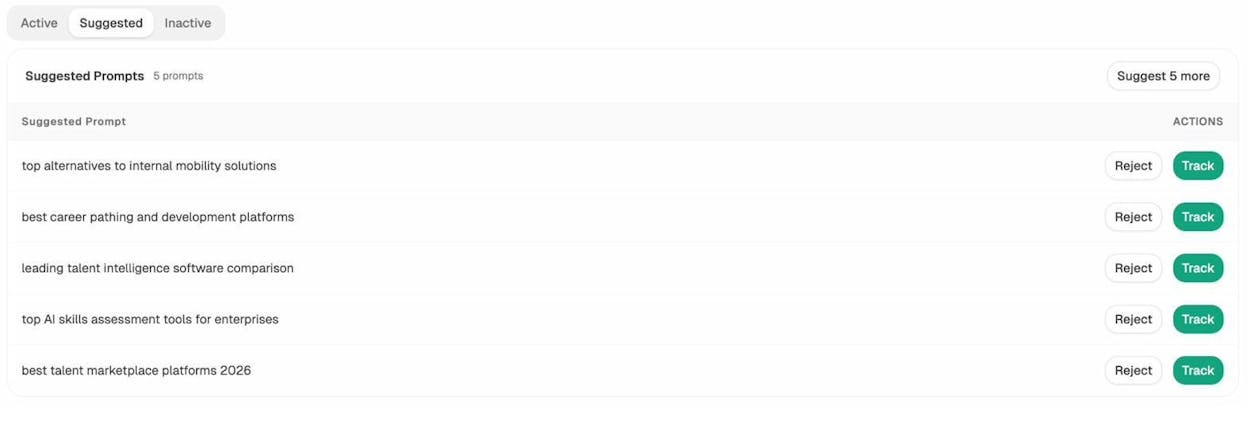
Track ten to twenty of these. Then check whether your site is named when the prompts run. The dashboard shows visibility, sentiment, position, and which competitors get mentioned alongside or instead of you.
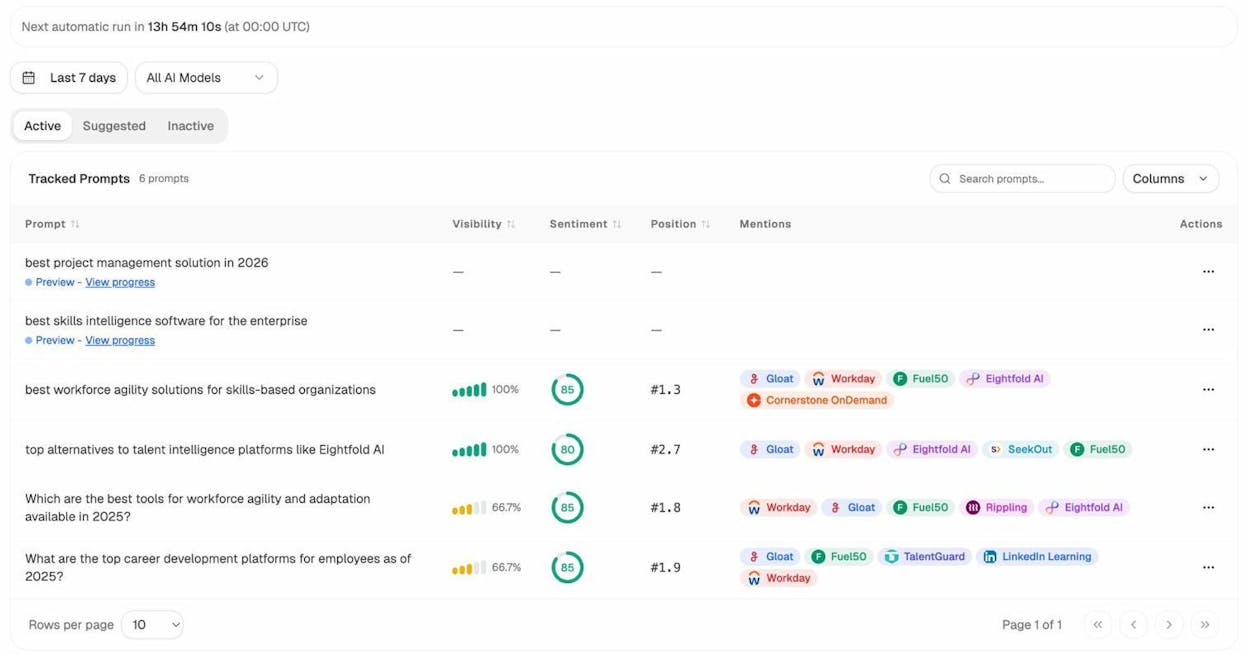
The keywords you target on Google and the prompts you track on AI engines are not the same vocabulary, but the underlying intent is. Treat them as one strategy with two dialects.
3. Build content around the buyer’s and seller’s journey
A common mistake is treating every visit as a lead opportunity. Real estate decisions take months. A visitor on your “Park City neighborhood guide” is months away from a transaction. The job of the page is not to convert. It is to be useful enough that the visitor comes back, signs up for a list, or remembers your name when the move gets real.
Build your content map around three stages.
Awareness. Neighborhood guides, school profiles, “moving to [city]” guides, market reports, terminology explainers.
Consideration. “Best neighborhoods in [city] for families.” “Renting vs buying.” “Condo vs townhome.” Visitors are narrowing options.
Decision. “Homes for sale in [neighborhood].” Listing pages. “Find an agent in [city].” These pages need clear CTAs, accurate inventory, and a fast path to a conversation.
Each page should link to the next logical step. A neighborhood guide links to listings in that neighborhood. A “moving to” guide links to a relocation services page. The internal linking is what makes the journey work.
A few patterns that earn leads from organic visits.
-
Embed a small selection of current listings inside long-form guides, not just a CTA.
-
Offer a free home valuation in the sidebar of every blog post.
-
Use Calendly. A 15-minute call slot feels like a question, not a commitment.
-
Keep contact options in a fixed header or footer bar.
What changes for AI search visitors
Visitors arriving from ChatGPT or Perplexity tend to land deeper in the funnel. They have already done the conversational research. The page they click is often the one the AI cited as a source for a recommendation. These visitors are closer to taking action than a typical Google visitor on the same URL.
Analyze AI’s Landing Pages report shows you which pages are being cited in AI answers, which engines are sending visits, and how those visits convert.
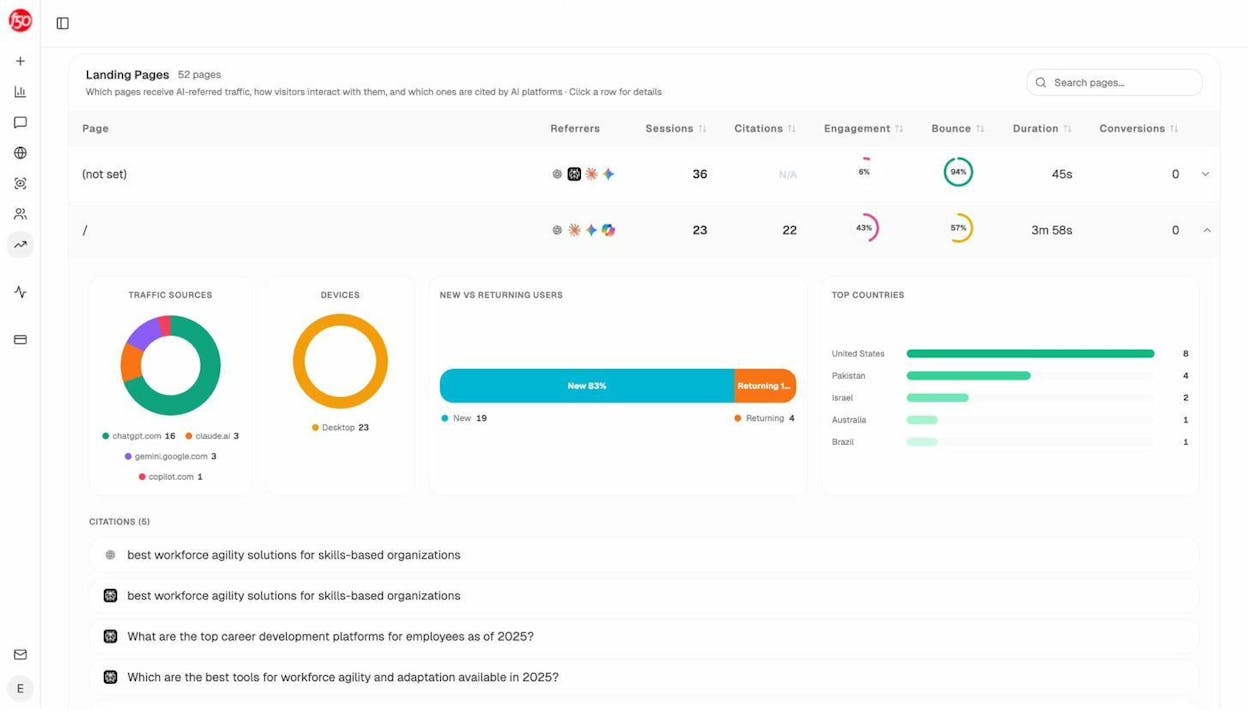
Pages with high AI conversion rates are the templates worth duplicating. If a single neighborhood guide drives qualified leads from ChatGPT, build the same structure for your other neighborhoods.
4. Make trust visible in the first five seconds
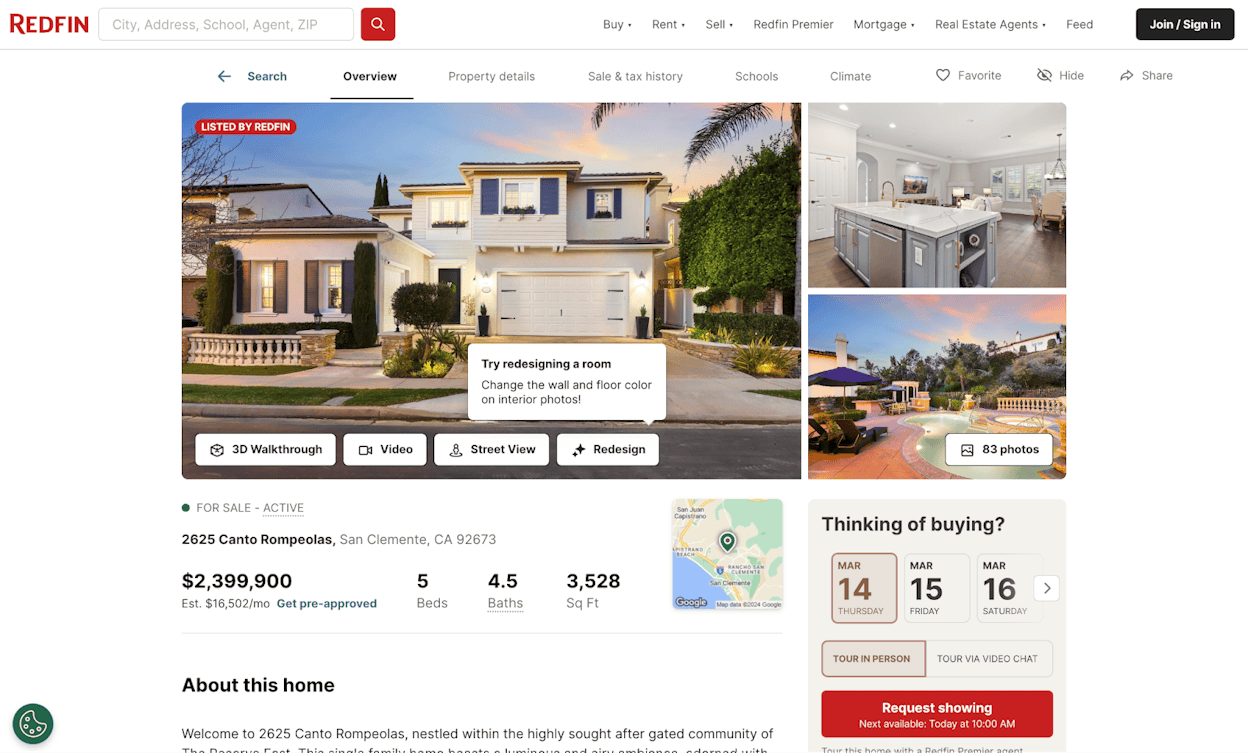
Real estate is high-stakes. A first-time buyer is committing to the largest financial decision of their life. Every visual cue on your site either reinforces or undermines trust before any words are read.
The same signals that build human trust feed Google’s EEAT framework, which weighs Experience, Expertise, Authoritativeness, and Trustworthiness when ranking pages. Trust is the heaviest of the four.
Five trust elements that move the needle.
-
A TLS certificate. Non-negotiable. The padlock in the browser bar is the first thing many visitors check.
-
Real photos of you and your team. A professional headshot, a photo of your office, a picture of you at a recent closing all signal that real people work here.
-
Past sales, displayed visibly. A “Recently Sold” gallery on the homepage works as a portfolio and gives visitors a sense of your price range and neighborhoods.
-
Awards, certifications, and press logos. These belong above the fold or near the contact CTA, not buried on an “About” page.
-
A short founder or team video. A 60-second video does more than a paragraph of copy. Family-run brokerages especially benefit.
Trust signals also drive AI citations
When an LLM answers “best real estate agents in [city],” it does not invent the answer. It synthesizes from sources it considers credible. Sites with strong EEAT signals on Google tend to be the same sites LLMs cite, because both systems look for similar markers, like clear authorship, real credentials, and references from other authoritative sites.
You can see how AI engines describe your agency with Analyze AI’s AI Sentiment Monitoring. The dashboard shows the exact narrative AI builds about your brand, including positive themes, neutral framing, and risk terms that could turn buyers away.
If the AI describes your agency as “limited inventory” or “few reviews online,” those are content gaps you can close.
5. Make sure your site is mobile-friendly and loads fast
Real estate sites carry more visual weight than most. High-resolution listing photos, virtual tours, drone footage, embedded maps, and IDX feeds all add load time. Without compression and proper code, performance collapses on mobile, and most of your traffic is on mobile.
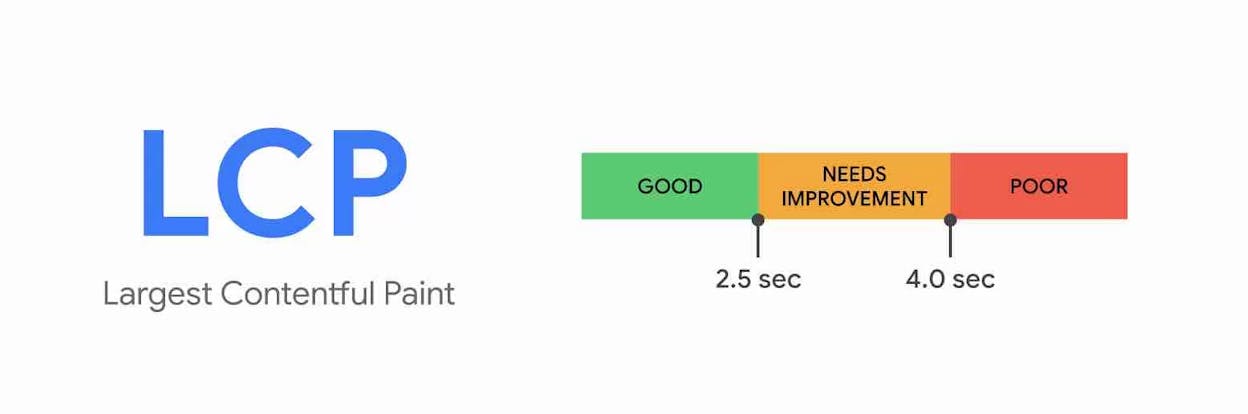
Run your site through Google’s PageSpeed Insights. The two key metrics are Largest Contentful Paint and Cumulative Layout Shift. If the largest image or hero block on a page takes more than 2.5 seconds to render, fix it before doing anything else.
Three quick wins.
-
Compress every listing photo. A 4MB JPEG can be 400KB at the same visible quality. Tools like ImageOptim or Squoosh do this in seconds.
-
Lazy-load anything below the fold. Listings, maps, and gallery widgets should only load when the user scrolls.
-
Use a CDN for image delivery. Cloudflare and Bunny.net both offer this at low cost.
Crawlability matters for AI bots too
ChatGPT, Perplexity, and Gemini use crawlers to index pages they later cite. If those crawlers are blocked in your robots.txt, your pages will not appear in AI answers, no matter how good the content is.
Check your robots.txt for these user agents and make sure they are allowed: GPTBot, PerplexityBot, ClaudeBot, Google-Extended, and CCBot. Adding an llms.txt file in your root domain gives these systems a clean map of the content you want crawled.
Also run a site-wide check with the Analyze AI Broken Link Checker. Broken internal links and 404s waste crawl budget and bury good content.
6. Earn backlinks AND citations from these sources
Backlinks are still a primary ranking factor on Google. They also matter for AI search, because LLMs are trained on a web heavily weighted by linked, cited content. The difference is that AI engines also pay attention to a second signal, citations. A citation is a mention of your domain in an AI answer, regardless of whether a hyperlink is involved.
Five sources to focus on.
1. Local directories
Directories tied to your geography or niche carry more weight than general-purpose ones. Examples include the local Chamber of Commerce, real estate-specific directories like Realtor.com agent profiles, and city-specific business listings. Apply, complete the profile in full, and use a consistent NAP (name, address, phone) across every listing.
2. Press and journalist outreach
Local journalists run real estate stories every week. Pitch yourself as a source. Sign up for Connectively (formerly HARO) and Help a B2B Writer, and respond to two or three queries per week.
A simple template that works.
Subject: Quick quote on [city] housing market for your story
Hi [name], I saw your piece on [topic]. I run an agency in [city] and have been tracking [specific data point]. Happy to share insights and a quote if useful for an upcoming piece.
3. Podcasts, panels, and local events
Speaking engagements often produce a backlink from the event page or speaker bio. Local real estate associations, chamber events, and home buyer education panels are accessible if you reach out cold.
4. Schools, charities, and community sponsorships
A high school baseball team, a 5K for a local charity, a school career day. These often produce links from .org and .edu domains, which are among the strongest backlinks you can earn. Partner authentically. The backlink is a side effect, not the goal.
5. Data, terminology, and original local content
The linkable asset that compounds well over time is a local market report with original data. Median price by neighborhood, days on market, inventory trends. Update it monthly. Journalists, mortgage brokers, and other local sites will cite it.
Sources that AI engines cite in real estate
Google ranks based on links. AI engines rank based on what they consider credible sources, which often includes review sites, forums, local news, and authoritative blogs. The mix is different from a Google SERP.
Analyze AI’s Citation Analytics shows you every URL and domain AI engines cite when answering questions in your space. You can filter by engine, brand, and time period to see which sources shape the answers buyers see.
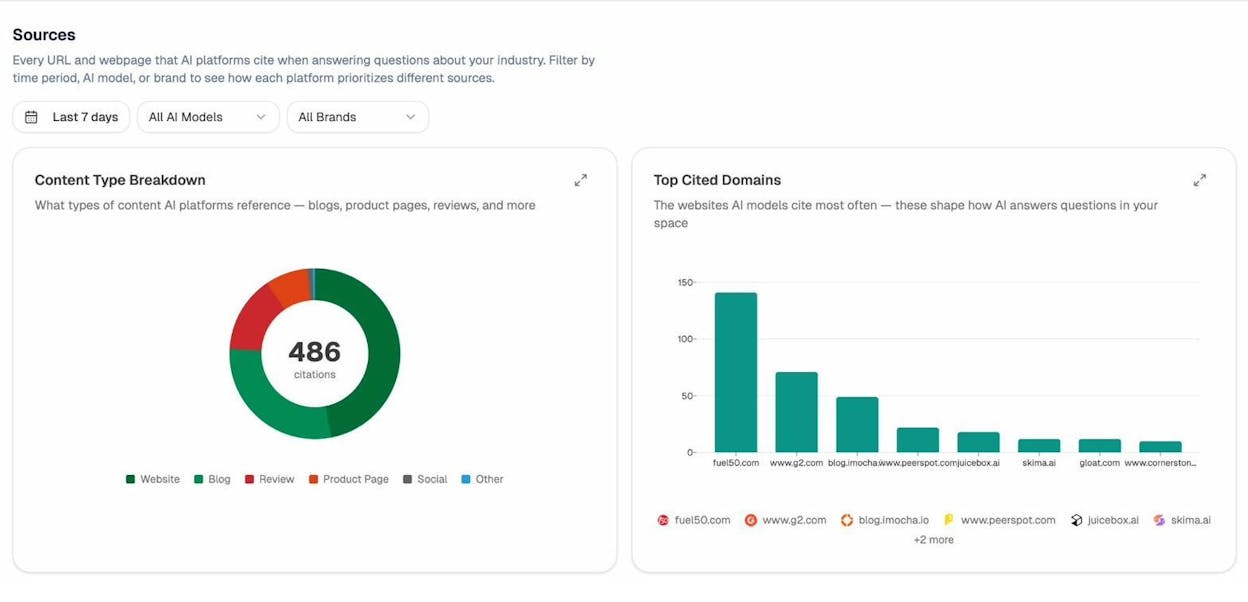
Two ways to use this data.
-
Earn citations from the domains AI already trusts. If Reddit’s r/RealEstate gets cited often in your market, become a useful contributor there. If a local news site is cited, pitch them.
-
Spot uncited gaps. If no one in your niche has published a “first-time buyer guide for [city],” you can claim that citation slot by publishing a thorough version.
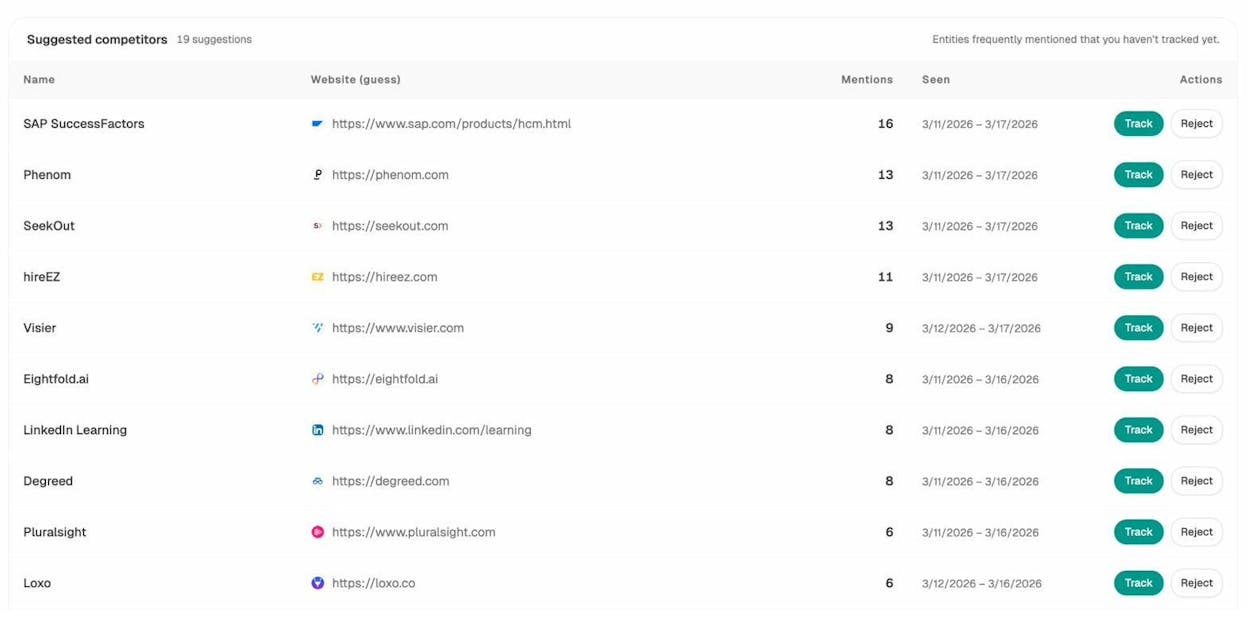
You can also see who you lose to with Competitor Intelligence. The dashboard surfaces competitors that AI engines mention, even ones you have not tracked yourself.
How to measure real estate SEO
Most real estate agencies track the wrong metrics. Keyword rankings move daily and rarely correlate with closed deals. Traffic volume tells you nothing about lead quality. Track these instead.
|
Metric |
What it tells you |
Where to find it |
|---|---|---|
|
Qualified leads from organic |
Real pipeline impact |
CRM with source attribution |
|
Conversion rate by landing page |
Which content closes |
GA4 + CRM |
|
Map pack rank for top 10 city queries |
Local visibility |
A rank tracker, weekly |
|
AI visibility share for top 10 prompts |
AI search visibility |
Analyze AI |
|
Citation count on key sources |
Off-page strength |
Analyze AI Sources |
The number to focus on is the correlation between SEO leads and closed deals over a 12-month window. If 100 organic leads produce 8 closings, your cost per closing through SEO is your total SEO spend divided by 8. That number is what your CFO actually cares about.
Common mistakes to avoid
A few patterns hurt real estate SEO more than people realize.
-
Hiding your address. A residential office or a shared workspace is fine. No address at all kills your local rankings.
-
Duplicating content across neighborhood pages. Same paragraph with the city name swapped out. Google detects this in seconds and discounts the pages.
-
Buying directory links in bulk. A burst of 200 low-quality directory listings looks like manipulation. Add directories steadily, focus on niche and local relevance.
-
Skipping schema markup. RealEstateListing, Place, and LocalBusiness schemas help both Google and AI engines understand your pages.
-
Ignoring reviews older than six months. Recency is a ranking factor. A profile with 50 reviews from 2021 ranks lower than one with 30 reviews from the last 90 days.
-
Treating AI search as a separate strategy. It is not. The same content that earns a Google ranking also tends to earn AI citations. Build once, measure twice.
Final thoughts
The agencies winning real estate SEO in 2026 are not the ones spending heavily. They are the ones who pick a service area, go deep on the keywords and prompts buyers in that area use, and build content with enough local detail that no national portal can match it.
Start with one neighborhood. Build a guide that covers schools, restaurants, market trends, and current listings. Get five reviews on your Google Business Profile this month. Pitch one local journalist. Track ten prompts in Analyze AI so you know whether AI engines are sending you traffic.
Compounding starts the day you stop trying to be everywhere and start owning one place.

Ernest

Ibrahim


