



Summarize this blog post with:


In this article, you’ll learn what online reputation management is, why it matters more in 2026 than ever, and the exact steps to take control of how your brand shows up across Google, social media, review sites, Reddit, and AI search engines like ChatGPT, Claude, Perplexity, and Gemini.
By the end, you’ll have a working playbook you can run this week.
Table of Contents
What is online reputation management?
Online reputation management (ORM) is the practice of monitoring, shaping, and responding to how your brand is perceived across the internet.
It covers the search results people see, the reviews they read, the social conversations they scroll through, and now the AI answers they ask for instead of clicking links.
The goal is simple. When a prospect looks you up, the picture they get should match the brand you’ve actually built.
ORM overlaps with digital PR and customer marketing, but it lives at a more defensive layer. Digital PR earns you new mentions. ORM makes sure the existing ones are accurate, fair, and visible to the right audience.
A few years ago, your reputation surface was mostly Google. Today it spans six places that all feed into each other.
|
Reputation surface |
What lives there |
Who’s looking |
|---|---|---|
|
Google search results |
Your homepage, brand SERP, news, third-party reviews |
Most prospects, first stop |
|
Google Business Profile and Maps |
Local reviews, star rating, photos |
Local and B2C buyers |
|
Third-party review sites |
Trustpilot, G2, Capterra, TripAdvisor |
High-intent comparison shoppers |
|
Reddit and niche forums |
Unfiltered opinions, “is X any good” threads |
Researchers and skeptics |
|
Social media |
LinkedIn, X, TikTok, Instagram |
Existing customers and press |
|
AI search engines |
ChatGPT, Claude, Perplexity, Gemini |
A growing share of B2B and B2C buyers |
Each surface influences the others. A bad Reddit thread can rank in Google. A negative Trustpilot rating can get cited by ChatGPT. A viral TikTok complaint can end up in a news roundup.
That’s why ORM has to be coordinated across all six.
Why ORM matters more than ever
Reputation has always influenced sales. What changed is the speed, the surface area, and the fact that machines now summarize you to buyers before they ever land on your site.
Reviews shape buying decisions before a sales call ever happens
When someone is deciding between you and a competitor, they Google your brand name plus “review.” They scan Trustpilot. They check Reddit. They sometimes ask ChatGPT.
A few negative results in any of those places is often enough to lose the deal silently. You never get to respond because you never get the call.
For local businesses, the effect is even more direct. A 3.8-star Google rating versus a 4.6-star one is the difference between full tables and empty ones, even when the food is the same.
Anyone can publish a review in under a minute
Leaving a review used to require effort. Now you Google a brand and click a button.
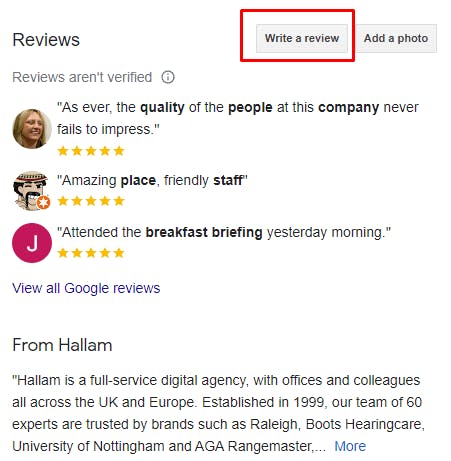
The same is true on Trustpilot, G2, Reddit, and TikTok. A single bad customer experience can produce a viral video before your support team has even closed the ticket.
AI engines now summarize your reputation in one sentence
Most ORM guides still ignore this part.
When a buyer asks ChatGPT “is [your brand] any good?” or “what are the downsides of [your product]?”, they get a confident answer drawn from the sources the model trusts. That answer often skips your homepage and quotes a Reddit thread, a Trustpilot snippet, or a competitor’s blog post instead.
If those sources skew negative, the AI’s answer skews negative. And unlike a Google search, the buyer rarely scrolls down to verify.
We see this pattern repeatedly in our own AI citations data. Review platforms and user-generated content punch far above their weight in what AI engines repeat to your customers.
Responding to feedback builds the trust that closes future deals
A brand that replies to negative reviews thoughtfully reads as one that cares. A brand that replies to nothing reads as one that doesn’t.
Future buyers reading those threads make assumptions about how they’ll be treated. The replies are part of your sales pitch.
The five-step framework for managing your online reputation
“It takes 20 years to build a reputation and five minutes to ruin it. If you think about that, you’ll do things differently.”
Warren Buffett
Here’s the framework we’ll walk through.
-
Audit page one of your brand SERP for threats and gaps.
-
Fill the SERP gaps with your own content.
-
Build a steady flow of fresh, fair reviews.
-
Monitor and respond on Reddit, forums, and social.
-
Audit and shape your reputation inside AI search engines.
Each step gets its own section below.
Step 1. Audit page one of your brand SERP
Start where most prospects start. Open an incognito tab and search your brand name on Google.
Look at the top 10 results and ask three questions about each.
-
Is this result owned by us or a third party?
-
Is the sentiment positive, neutral, or negative?
-
Would a serious buyer be reassured or worried by this?
Anything you don’t own and don’t like is a reputational threat. Anything you don’t own but trust is a reputational asset. Anything missing is an opportunity.
![Google brand SERP for a sample company showing a mix of owned pages, a Trustpilot listing, and a Reddit thread]](https://www.datocms-assets.com/164164/1777922579-blobid2.png?auto=format,compress&w=1248&fit=max)
Repeat the audit for “[your brand] review,” “[your brand] alternatives,” “[your brand] vs [competitor],” and “is [your brand] legit.” These queries decide deals.
Run the same domains through our Website Authority Checker and SERP Checker to see which third parties are strong enough to keep ranking and which you can realistically displace.
If a Trustpilot or G2 page sits in the top three for your brand name, that page is now part of your homepage. Treat it that way.
Run a quick SERP SWOT
For each result on page one, label it as a strength, weakness, opportunity, or threat. Strengths are pages you own with positive content. Weaknesses are pages you own that underperform. Opportunities are slots where you could rank with a new asset. Threats are pages you don’t own that hurt the narrative.
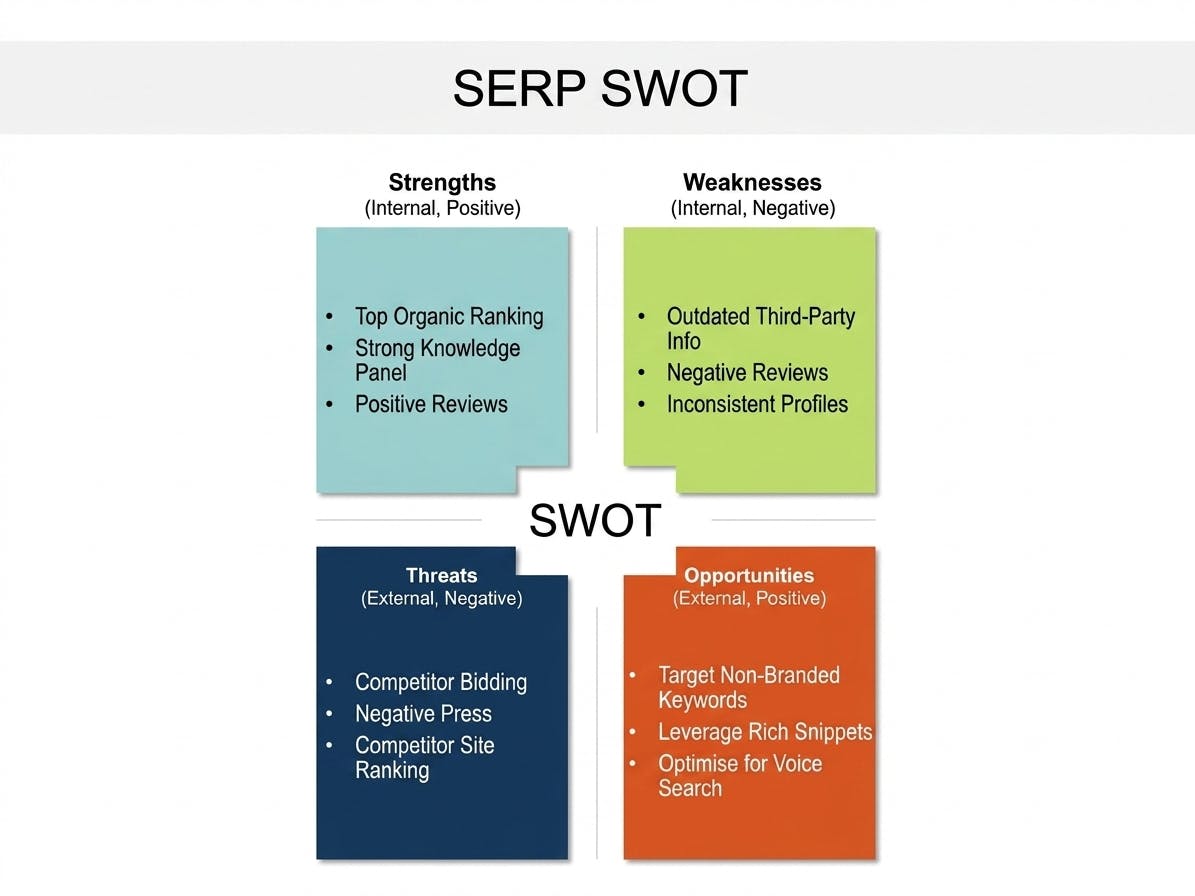
You now have a prioritized list. Address the threats first, then the opportunities.
Step 2. Fill the SERP gaps with your own content
The fastest way to push a negative result down is to publish a better one above it.
Look at branded queries with no clear owned answer. Common gaps include “[brand] pricing,” “[brand] vs [competitor],” “[brand] alternatives,” “is [brand] legit,” and “[brand] cancel subscription.”
Each of these deserves a dedicated page. The page should be the most thorough, honest, and useful answer on the internet. That includes openly comparing yourself to alternatives, naming real downsides, and answering the awkward questions buyers actually ask.
This is the same play Tim Soulo used at Ahrefs when he wrote a post about closing their affiliate program instead of leaving the question to third parties. Within a year, it ranked first.
Use our Keyword Generator and Keyword Rank Checker to find branded variations and track how each new page climbs.
Step 3. Build a steady flow of fresh, fair reviews
A page covered in three-year-old complaints reads differently than the same page covered in last week’s praise. Recency matters as much as rating.
Set up Google Business Profile properly
If you have any kind of physical or local presence, claim your Google Business Profile, keep your hours and photos current, and reply to every single review.
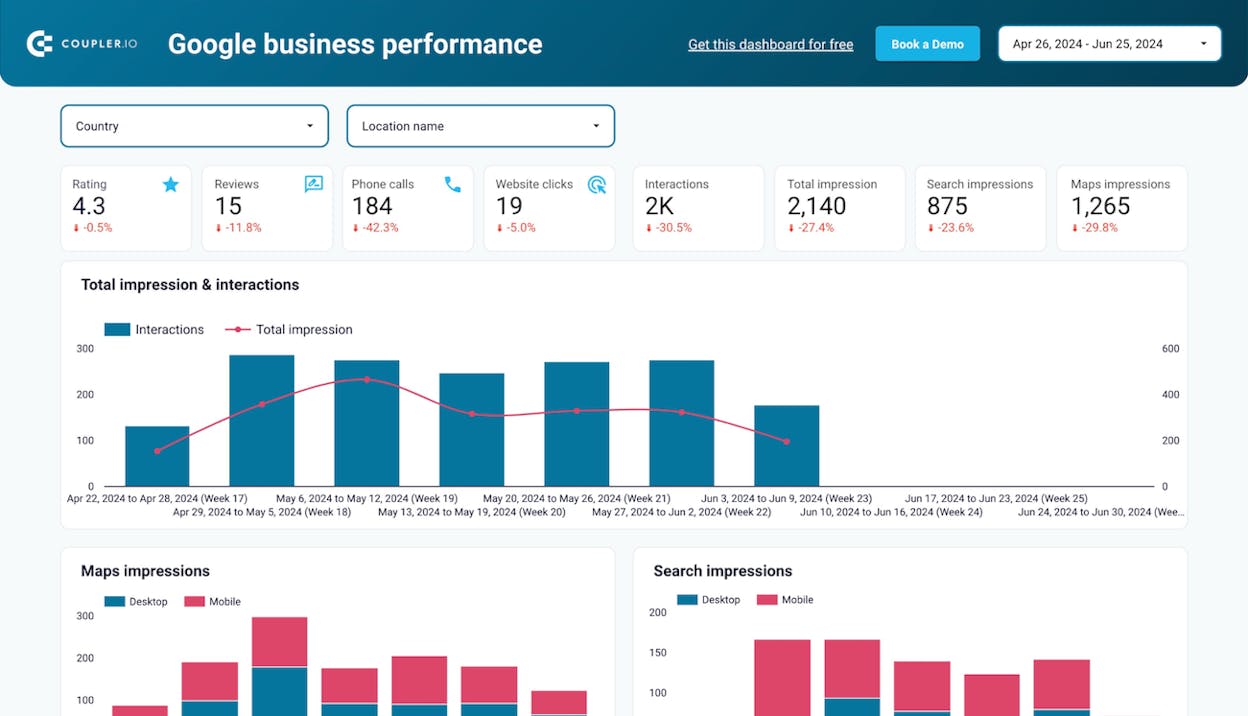
A short, sincere reply to a one-star review is one of the highest-leverage things a business owner can do. It signals to every future reader that the business is paying attention.
Ask happy customers to review you
Most reviews skew negative because angry people self-select. The fix is to make it easy for satisfied customers to do the same.
Add a one-click review link to your post-purchase email, your support thank-you screen, and your onboarding success page. Don’t pay for reviews and don’t filter them. Just lower the friction.
Monitor third-party review sites
Pick the two or three sites that matter for your category and check them weekly. For B2B SaaS, that’s usually G2 and Capterra. For local services, it’s Yelp and Google. For travel, it’s TripAdvisor.
Reply to negative reviews with curiosity, not defensiveness. Ask for specifics. Offer to take the conversation private. Then publicly close the loop when you’ve fixed something.
Push back on unfair big-publication reviews
Sometimes a Forbes Advisor or a top-10 listicle gets your features wrong, prices you with old data, or omits something important. Email the author with the correction first. Build links to your own better page as a second line of defense.
Step 4. Monitor and respond on Reddit, forums, and social media
Reddit is the most important reputation surface that gets the least attention. Google now pulls Reddit threads into its Discussions and forums SERP feature, and AI engines cite Reddit constantly.
A single popular thread titled “[Your brand] is a scam” can poison brand sentiment for years.
Find every existing thread
Search Google for site:reddit.com "[your brand]". Then do it for site:reddit.com "[your brand]" review. Read the top 20 results.
Some will be legitimate complaints worth addressing publicly. Some will be misinformation worth correcting. Some will be praise worth amplifying.
Engage like a person, not a corporate account
The fastest way to make a Reddit thread worse is to reply with a sanitized PR statement. Reply as a real human with a real name and a real role at the company. Be specific. Acknowledge what’s true. Offer to fix what’s broken.
If you can’t be on Reddit yourself, find someone on your team who already is and brief them.
Set up brand alerts everywhere
You need a passive system that tells you when your brand gets mentioned. The minimum stack:
-
A Google Alert for your brand name and key product names
-
Brand24 or a similar tool for social mentions and sentiment
-
Reddit notifications for threads in subreddits relevant to your category
-
A free Broken Link Checker run quarterly so 404s on your own site don’t poison brand searches
Monitor social channels in real time
For social, speed matters more than depth. Pipe X mentions and LinkedIn tags into a shared Slack channel so your team sees them as they happen.
When something positive comes through, amplify it. A genuine reply or a reshare from your founder does more for brand sentiment than three weeks of paid social.
Step 5. Audit and shape your reputation in AI search engines
This is the section most ORM guides skip and most modern buyers care about.
Buyers no longer just Google your brand. They ask ChatGPT what to use, ask Claude to compare you to two competitors, and ask Perplexity what people complain about. The answer they get is a one-paragraph reputation summary, generated on the fly, with no obvious source.
Your job is to know what those answers say and to influence the inputs they’re built from.
Audit how AI engines describe your brand today
Open ChatGPT, Claude, Perplexity, and Gemini in separate tabs. Run the same five prompts in each.
-
What is [your brand]?
-
Is [your brand] any good?
-
What are the downsides of [your brand]?
-
[Your brand] vs [top competitor], which is better?
-
Should I use [your brand]?
Save every answer. You’re looking for three things. Is the description accurate? Is the sentiment fair? Which sources are being cited?
This manual sweep takes 30 minutes and tells you most of what you need to know.
Track sentiment systematically with a perception map
A one-time audit is a snapshot. Reputation moves, and you need a system that watches it for you.
This is where Analyze AI fits in. Our perception map plots how each AI engine describes your brand across attributes that matter, like trust, ease of use, price, support, and innovation.
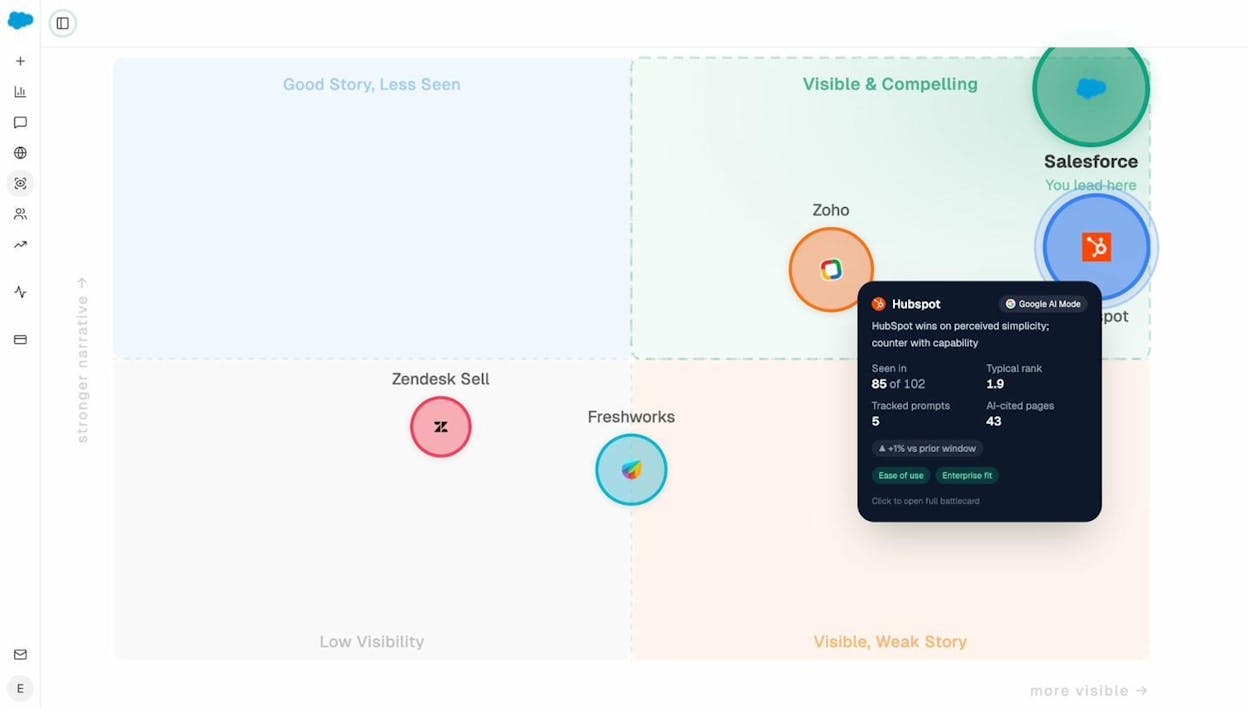
You see at a glance where you’re winning, where competitors outscore you, and which attributes are drifting in the wrong direction.
If “support” is trending negative across three engines while “ease of use” climbs, you know exactly what to fix and where the narrative is forming.
Watch sentiment over time
The map is only useful if you check it on a cadence. We pair it with AI sentiment monitoring so you get a weekly score per engine, plus alerts when sentiment moves more than a set threshold.
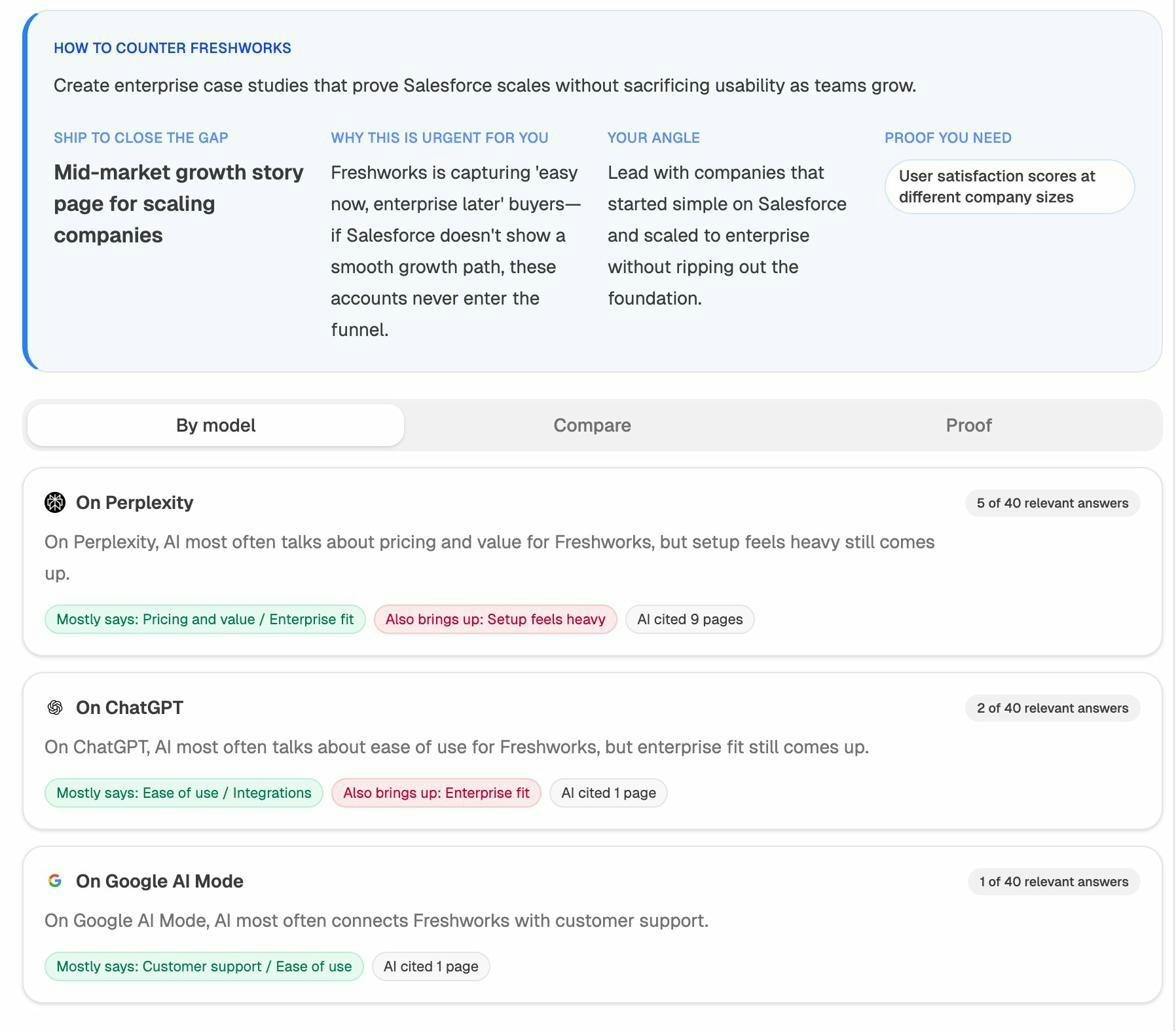
Treat the weekly score the way a finance team treats a cash report. Boring most weeks, critical the week it moves.
For a deeper comparison of category options, see our roundup of AI sentiment analysis tools.
Find the prompts that put your brand in the wrong light
Sentiment scores tell you the temperature. Prompts tell you the cause.
Inside Analyze AI’s prompt tracking, every customer prompt your brand could appear in is monitored across engines, with the actual answer text stored and scored.
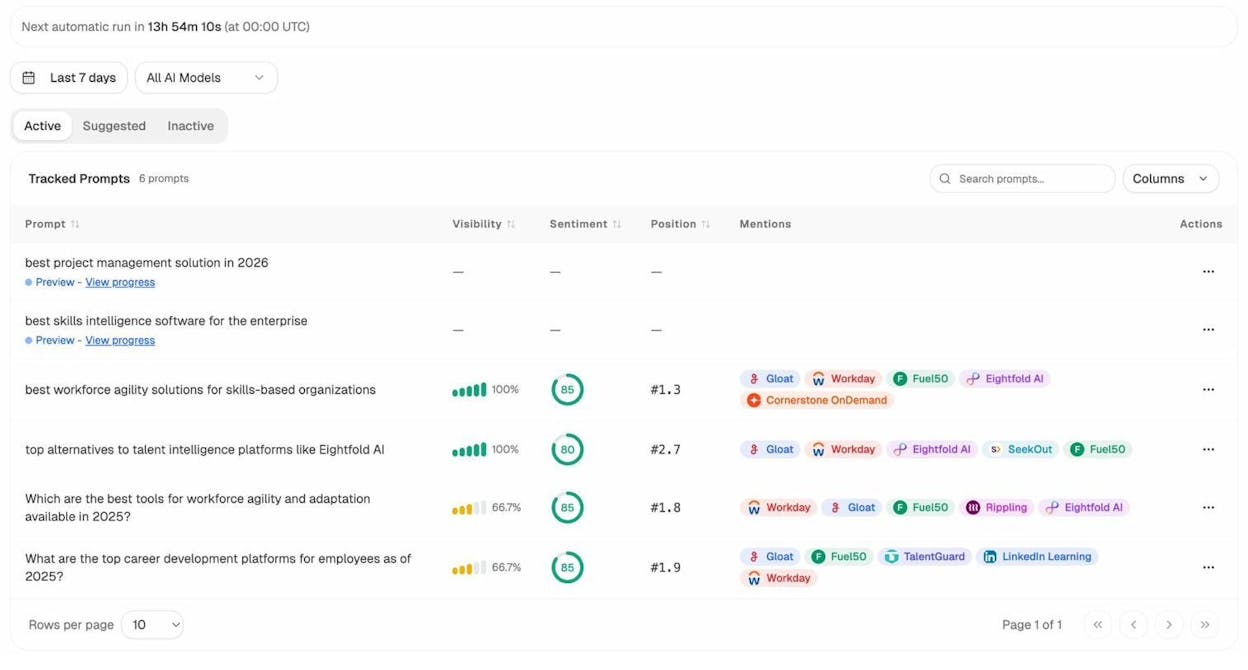
You can filter to negative-sentiment prompts and read exactly what each engine said. Often the issue is one bad source being repeated. That’s actionable. You either get the source corrected, build a stronger counter-source, or earn a citation on a more authoritative page.
For a deeper walkthrough of this approach, our guide on how to get mentioned in AI search breaks down 65,000 citations of real data.
Identify which sources AI engines cite about you
When ChatGPT says something negative about your brand, the negativity is rarely original. It’s repeating a source.
Find that source and you find the lever.
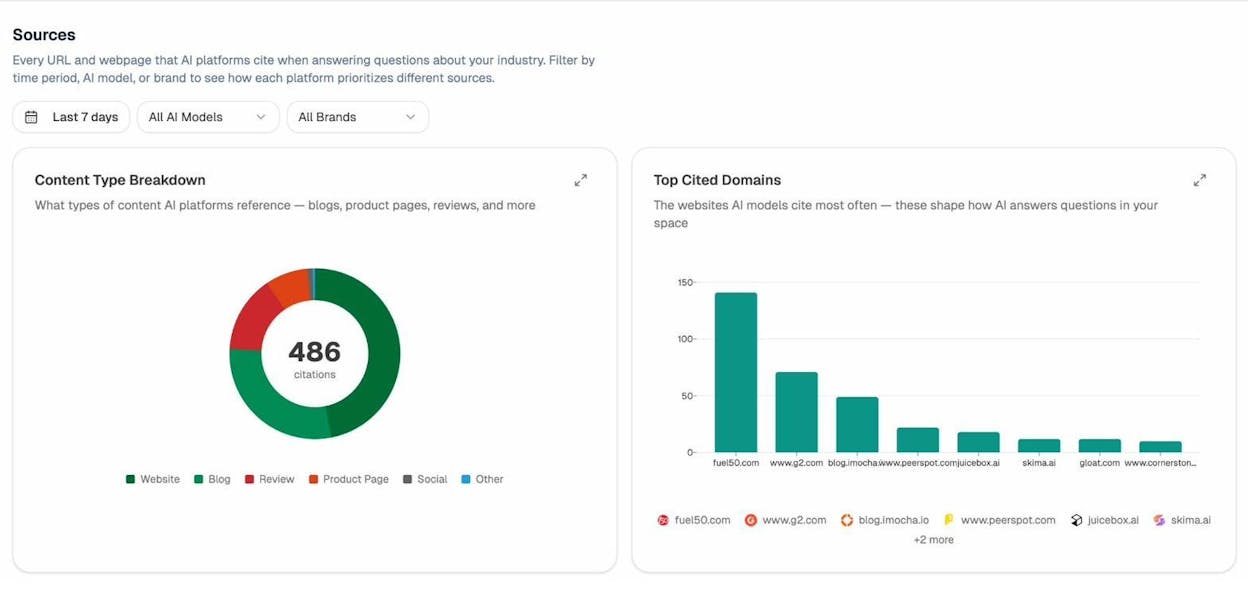
Our citation analytics shows the exact domains AI engines pull from when they describe you, ranked by frequency. If a single Reddit thread accounts for 30% of citations, that thread becomes the highest-leverage ORM target on your list.
Three plays from there.
-
Correct the source directly. Reach out to the author with updated information. Many will revise.
-
Out-cite the source. Publish a more comprehensive resource on the same topic and earn links to it. AI engines start citing you instead.
-
Diversify the source mix. Get featured in five additional credible publications so no single source dominates the model’s view of you.
Watch how competitors are framed against you
Reputation in AI is comparative. Models don’t only describe you. They choose between you and the alternatives.
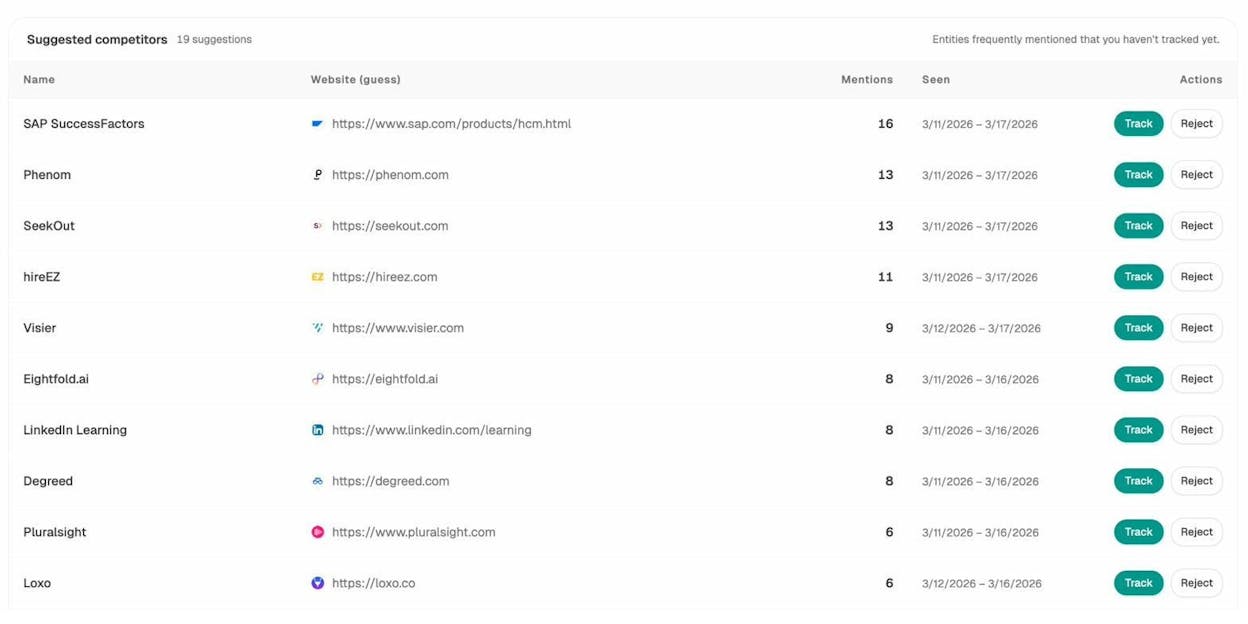
Our competitor intelligence view shows share of voice, sentiment delta, and the prompts where competitors win and you don’t. Pair it with AI battlecards and your sales team has a real-time view of how you stack up in the conversations buyers are having without you.
If “best [category] for enterprise” consistently returns three competitors and not you, that’s a content gap and a positioning gap, in that order.
Connect AI reputation to actual traffic
Reputation that doesn’t move buyers isn’t worth tracking. Tie what AI engines say about you to the sessions and conversions you actually receive.
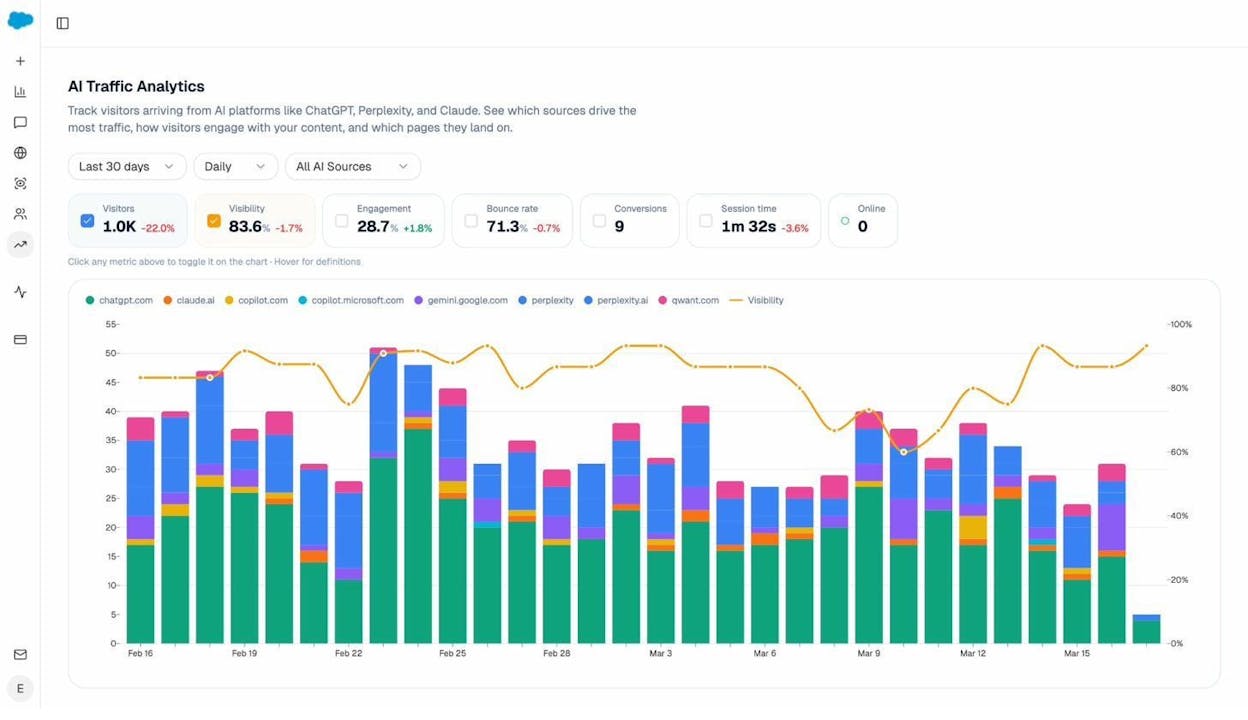
Our AI traffic analytics shows which engines send real users, which prompts those users came from, and what they did once they landed. The pages and topics that work then become a roadmap for what to publish next.
For a fuller view of where AI search fits next to traditional channels, our explainer on GEO vs SEO lays out the relationship between the two.
Don’t forget the weekly habit
Most reputational damage doesn’t come from a single catastrophic event. It comes from drift no one was watching.
Block 30 minutes every Monday. Review last week’s brand mentions, alerts, and sentiment scores. Triage anything urgent. Pick one thing to fix that week.
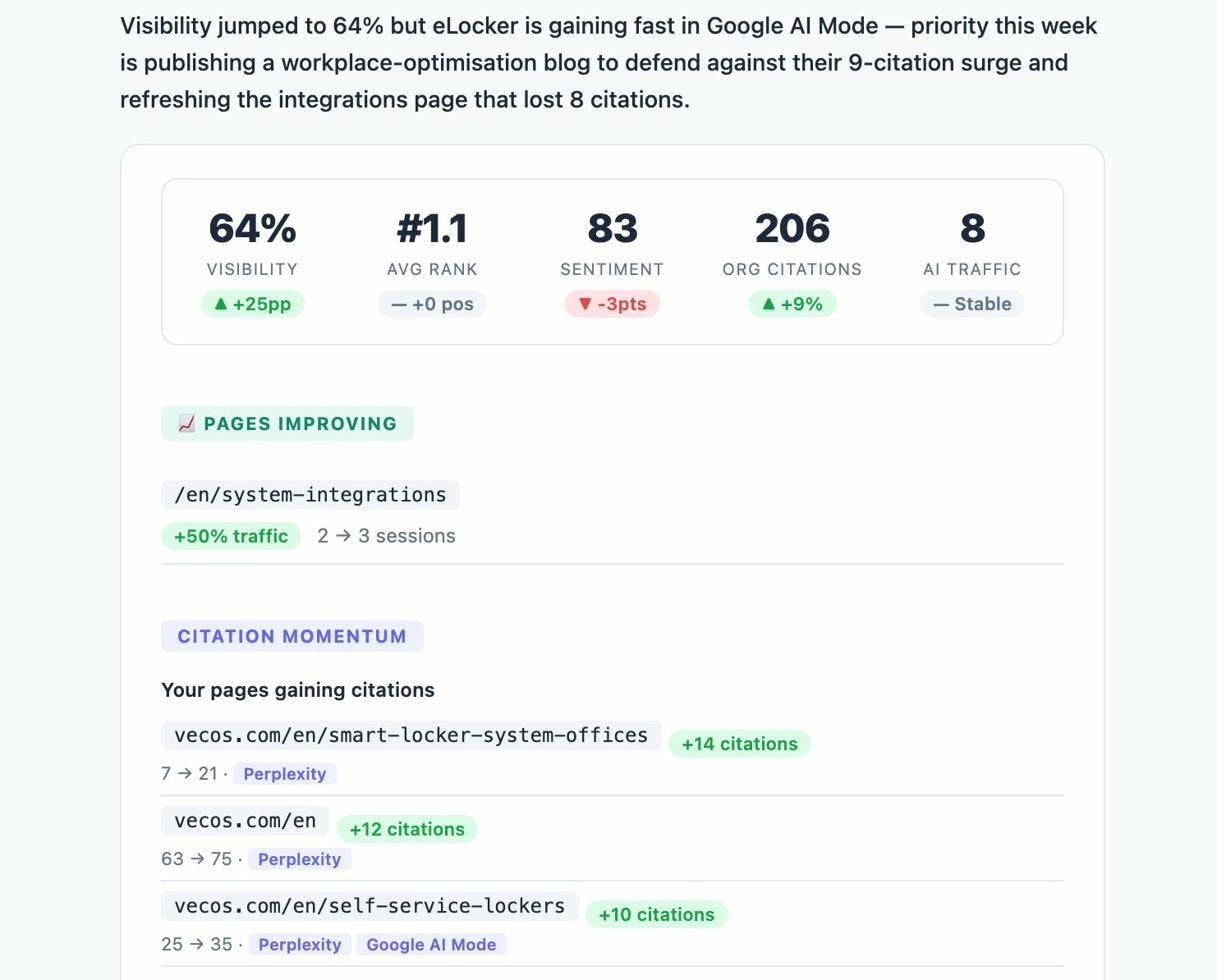
We send a weekly email digest that rolls all of this into one place, but the tool matters less than the cadence. The brands that win at ORM are the ones that look every week. The brands that lose are the ones that look once a quarter.
Final thoughts
Online reputation management is no longer a Google-only game. Your brand lives across search results, review sites, Reddit, social media, and AI engines that summarize you to buyers in one sentence.
The work is the same in spirit. Listen carefully, respond honestly, fix the underlying issue, and publish content that helps buyers more than the competition does.
The brands that get this right in 2026 will be the ones that treated AI search as another organic channel to manage, not a separate panic button. SEO didn’t go away. It just gained a new sibling, and the discipline of caring about how you’re perceived now extends to the answers your buyers get from a chatbot at midnight.
If you want a single place to watch all of it, try Analyze AI free.

Ernest

Ibrahim


