



Summarize this blog post with:


In this article, you’ll see the AI companies that are growing the fastest right now, what each one actually does, and the signals you can use to spot the next breakout before everyone else does. We pulled together branded search data from Q1 2026, customer adoption signals, AI search visibility, and funding velocity. The goal is a list that holds up to scrutiny instead of one that just rewards companies with new domains and low base rates.
Table of Contents
How we built this list
We started with Green Flag Digital’s Q1 2026 ranking of 1,271 venture-backed AI companies. Their methodology combines three scores into a final composite:
-
Branded keyword growth. Total monthly branded search volume plus a 1-year linear growth trend, weighted by volume. This is the same idea Ahrefs used in their original 50 Fastest-Growing AI Companies post, and it filters out very small companies that look hot only because their base was zero.
-
Website traffic and growth. Last month’s total visits plus month-over-month growth.
-
Funding velocity. Total venture capital raised, weighted toward recency and round size.
We layered on two extra signals. The first is AI search visibility, which checks which brands show up in ChatGPT, Perplexity, and Google AI Overviews when people ask category questions like “best AI coding tool.” The second is revenue traction from publicly reported ARR figures, since branded search alone can lag actual product adoption by six months or more.
The final list is ranked by composite score. Where companies appear on multiple credible 2026 lists (CB Insights AI 100, Ramp’s fastest-growing software vendors, Forbes AI 50), we used that as a tiebreaker.
![[Description: Cover image showing the top 50 fastest-growing AI companies in 2026, branded with Analyze AI styling]](https://www.datocms-assets.com/164164/1778115367-blobid1.png?auto=format,compress&w=1248&fit=max)
The full list: top 30 plus 20 honorable mentions
The detailed table covers the top 30 because that’s where the public 2026 data is most reliable. Beyond rank 30, one funding announcement can swap the order. The 20 honorable mentions worth tracking are Listen Labs, Outtake, Zocks, Prime Intellect, OpenEvidence, Harvey, Cognition, Character.AI, Brave, Midjourney, HeyGen, Together AI, Fireworks AI, Hebbia, EliseAI, Tempus AI, Codeium, Otter AI, Mistral AI, and AI21 Labs.
|
Rank |
Company |
What it does |
Growth signal |
Total funding |
Reported ARR |
|---|---|---|---|---|---|
|
1 |
AI model evaluation |
+25x community in 12mo |
$250M |
~$30M |
|
|
2 |
AI-native code editor |
Fastest B2B SaaS to $2B ARR |
$10B+ |
$2B+ |
|
|
3 |
Text-to-app platform |
Top 10 branded search |
$200M+ |
$400M |
|
|
4 |
Expert marketplace for AI labs |
+36K monthly searches added/mo |
$200M+ |
$100M+ |
|
|
5 |
AI customer support agents |
$250M Series D Jan 2026 |
$481M |
$50M+ |
|
|
6 |
Frontier AI research |
+39.2% monthly branded search |
$2B+ |
Pre-revenue |
|
|
7 |
AI music generation |
+18.6% MoM, 80M visits |
$125M |
$150M+ |
|
|
8 |
Frontier model lab (Grok) |
+19.7% MoM website growth |
$42.7B |
$500M+ |
|
|
9 |
Frontier model lab (Claude) |
$30B revenue run rate |
$20B+ |
$30B run rate |
|
|
10 |
Voice AI and audio |
43M monthly visits |
$281M |
$200M+ |
|
|
11 |
Skild AI |
General-purpose robotics model |
$1.4B raise Jan 2026 |
$1.84B |
Pre-revenue |
|
12 |
Databricks |
Unified data and AI platform |
$1.8B raise Jan 2026 |
$27.6B |
$3B+ |
|
13 |
LiveKit |
Real-time voice/video infra |
High composite score |
$80M+ |
$30M+ |
|
14 |
Scale AI |
Data labeling and evaluation |
Established leader |
$1.6B+ |
$1B+ |
|
15 |
Baseten |
ML deployment infra |
$300M raise Jan 2026 |
$585M |
$50M+ |
|
16 |
ClickHouse |
Real-time analytics database |
$400M raise Jan 2026 |
$1.15B |
$100M+ |
|
17 |
Rogo |
AI for financial services |
Climbed 2,014 positions MoM |
$154M |
$20M+ |
|
18 |
Vercel |
Frontend cloud, AI app platform |
High website score |
$562M |
$200M+ |
|
19 |
Deepgram |
Speech-to-text API |
Steady growth |
$86M |
$50M+ |
|
20 |
Perplexity |
AI answer engine |
240M monthly visits |
$500M+ |
$100M+ |
|
21 |
Glean |
Enterprise work AI |
$7.2B valuation |
$600M+ |
$100M+ |
|
22 |
Sierra |
AI customer experience agents |
$100M ARR in 7 quarters |
$285M |
$100M+ |
|
23 |
Lambda |
GPU cloud for AI training |
Steady growth |
$1B+ |
$100M+ |
|
24 |
Groq |
Inference chips and platform |
High website score |
$640M |
$50M+ |
|
25 |
Anysphere Composer |
Cursor’s autonomous agent |
New product 2026 |
(Anysphere) |
(Anysphere) |
|
26 |
OpenAI |
ChatGPT and GPT models |
730M monthly visits |
$40B+ |
$30B target |
|
27 |
xAI Grok |
Bundled into X |
500K active users |
(xAI) |
(xAI) |
|
28 |
Suno Studio |
Pro tier for creators |
New product 2026 |
(Suno) |
(Suno) |
|
29 |
Writesonic |
AI writing platform |
Steady growth |
$2.6M |
$30M+ |
|
30 |
Arize AI |
ML observability |
Steady growth |
$61M |
$30M+ |
Numbers are directional and pulled from public 2026 sources. Funding and ARR change quickly, so verify the latest before using these in a deck.
Top 10 fastest-growing AI companies, in detail
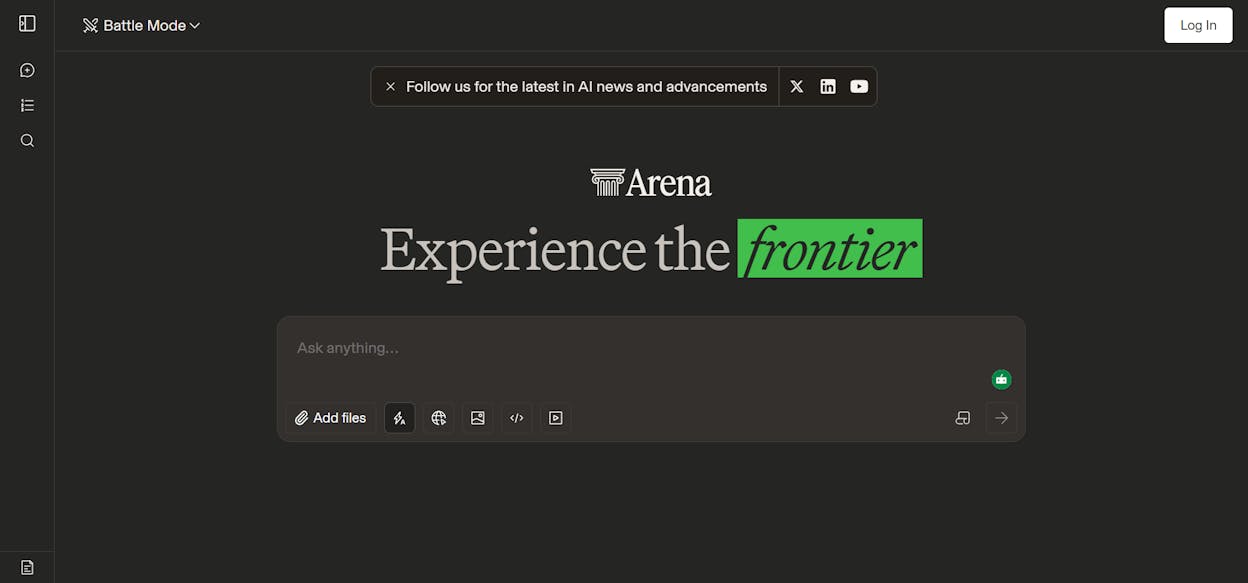
1. LMArena (+25x community growth, $1.7B valuation)
Year founded: 2023 Location: San Francisco (originally UC Berkeley) Reported ARR: ~$30M annualized consumption, December 2025 Total funding: $250M (Seed and Series A) Branded search volume: 2.2M monthly
LMArena is a crowdsourced AI evaluation platform where users compare two model outputs side by side and pick the better one. That feedback powers a leaderboard that has become the default reference for which model is currently best at coding, reasoning, or creative tasks. Five million monthly users in 150 countries now generate 60 million conversations a month. The commercial product, AI Evaluations, hit $30M in annualized consumption within four months of launch. The company raised $150M in January 2026 at a $1.7B valuation, nearly triple its seed valuation seven months earlier.
2. Anysphere (Cursor) ($50B valuation in talks, $2B ARR)
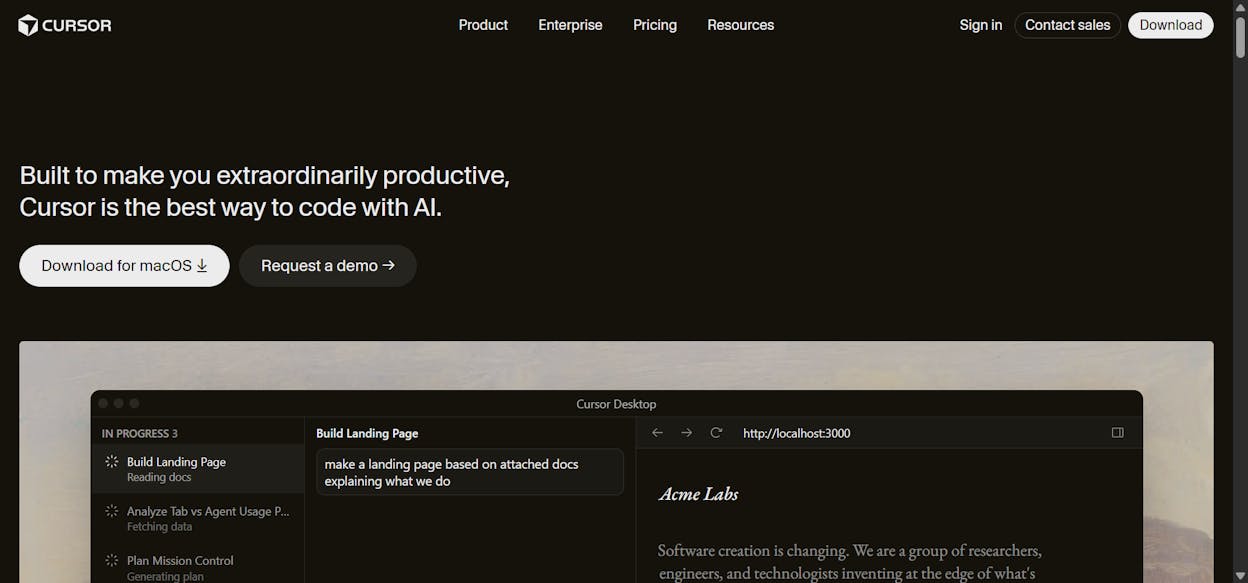
Year founded: 2022 Location: San Francisco Reported ARR: $2B annualized as of February 2026 Total funding: Over $10B across five rounds Notable customers: OpenAI, Spotify, Uber, Instacart, MLB
Cursor is the AI-native code editor that Anysphere built by forking Visual Studio Code. The growth curve is the most aggressive ever recorded in B2B software. The company hit $100M ARR in January 2025, $500M by June, $1B by November, and $2B by February 2026. That trajectory makes it the fastest B2B SaaS company in history to reach $1B ARR, ahead of Slack, Zoom, and Snowflake. By April 2026 the company was in talks for a $2B round at a $50B valuation. Anthropic’s Claude Code crossed 18% workplace usage by January 2026 and is closing the gap.
3. Lovable ($6.6B valuation, $400M ARR)
Year founded: 2023 Location: Stockholm, Sweden Reported ARR: $400M, reached in under two years Total funding: Over $200M Branded search volume: 1M monthly
Lovable is a text-to-app platform. You describe what you want, and Lovable produces a working web application with a frontend, backend logic, and database. The company became Europe’s fastest-growing AI startup almost by accident. They went from open beta in late 2024 to $100M ARR in eight months and a $6.6B valuation by December 2025. Per-employee revenue is reportedly over $2M. Where Cursor brought vibe coding to professional developers, Lovable extended it to non-developers. Marketers, product managers, and operators now ship internal tools without engineering tickets.
4. Mercor ($165K monthly searches, +36K added per month)
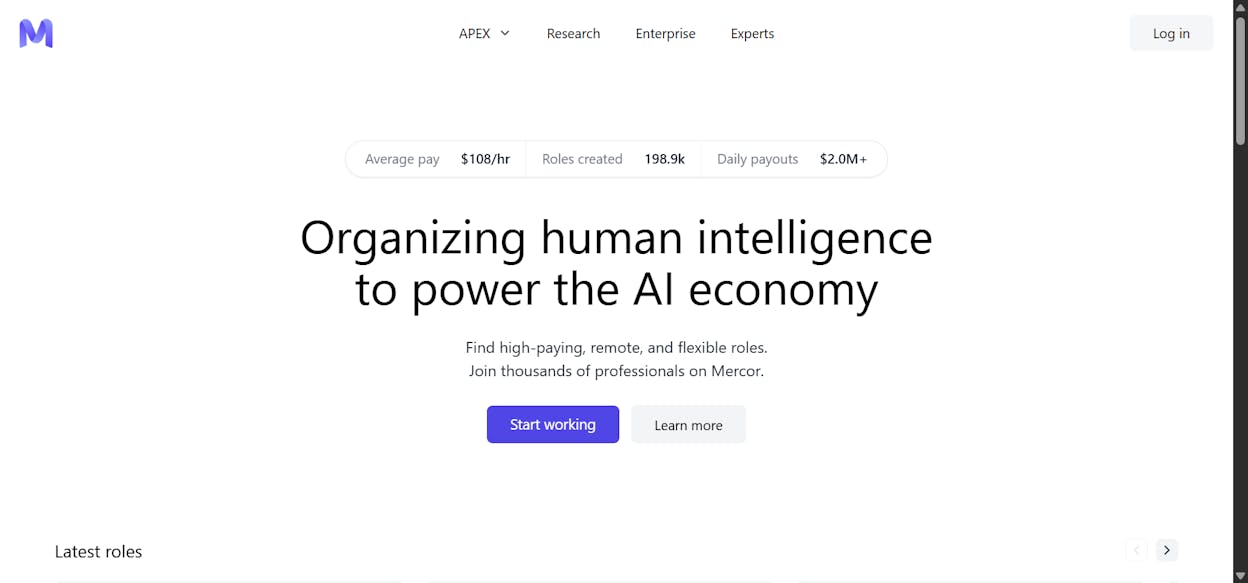
Year founded: 2023 Location: San Francisco Reported ARR: $100M+ within two years Total funding: Over $200M
Mercor connects AI labs to a network of 30,000+ domain experts (engineers, doctors, lawyers, financial professionals) who provide the high-quality feedback frontier models need to keep improving. The company started as a hiring marketplace and pivoted into AI training data when they realized labs would pay a premium for expert-graded responses. Branded search has been one of the fastest growers in the GFD ranking, adding roughly 36,000 monthly searches every month. The pivot worked because the AI industry’s bottleneck has shifted from compute to data quality.
5. Decagon ($481M raised, $250M Jan 2026 round)
Year founded: 2023 Location: San Francisco Reported ARR: $50M+ Total funding: $481M total, including a $250M Series D on January 28, 2026
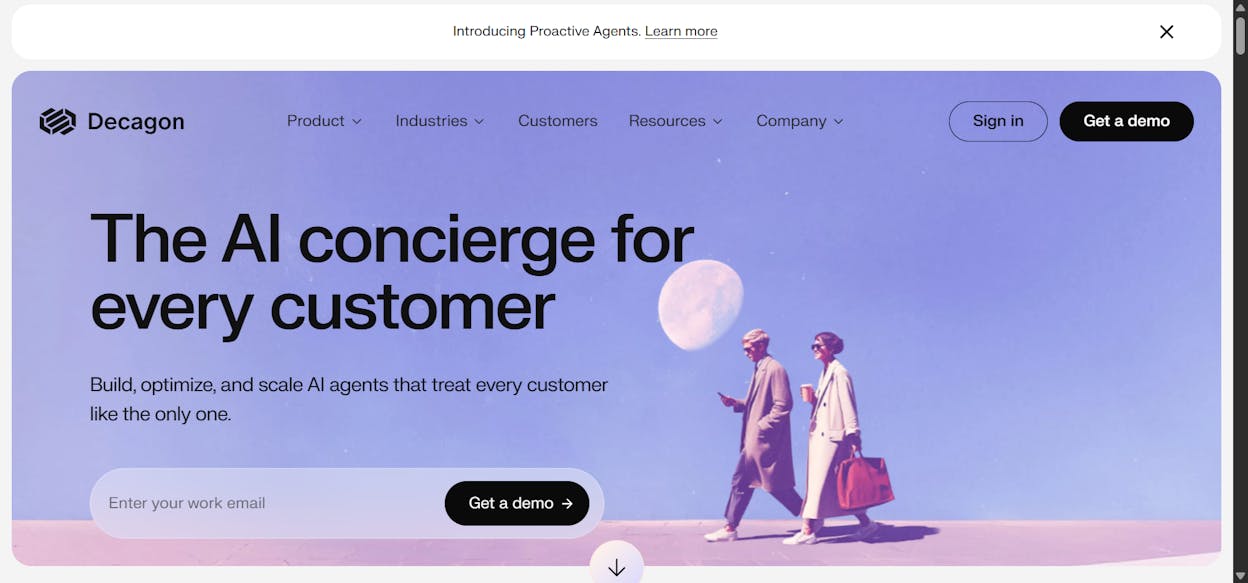
Decagon builds AI agents for customer support, going head-to-head with Sierra and Intercom for the enterprise contact center. The product handles complex consultations through generative AI, integrates with existing support systems, and supports chat, email, and voice. DecagonVoice has been one of the more credible voice agent launches of 2025-2026. The Series D from Andreessen Horowitz, Accel, and Forerunner closed within four days of being announced, which tells you how competitive the round was. Customer support automation is one of the few AI categories where the ROI math is unambiguous.
6. Thinking Machines Lab (+39.2% monthly branded search growth)
Year founded: 2025 Location: San Francisco Reported ARR: Pre-revenue Total funding: $2B+ (largest seed in history)
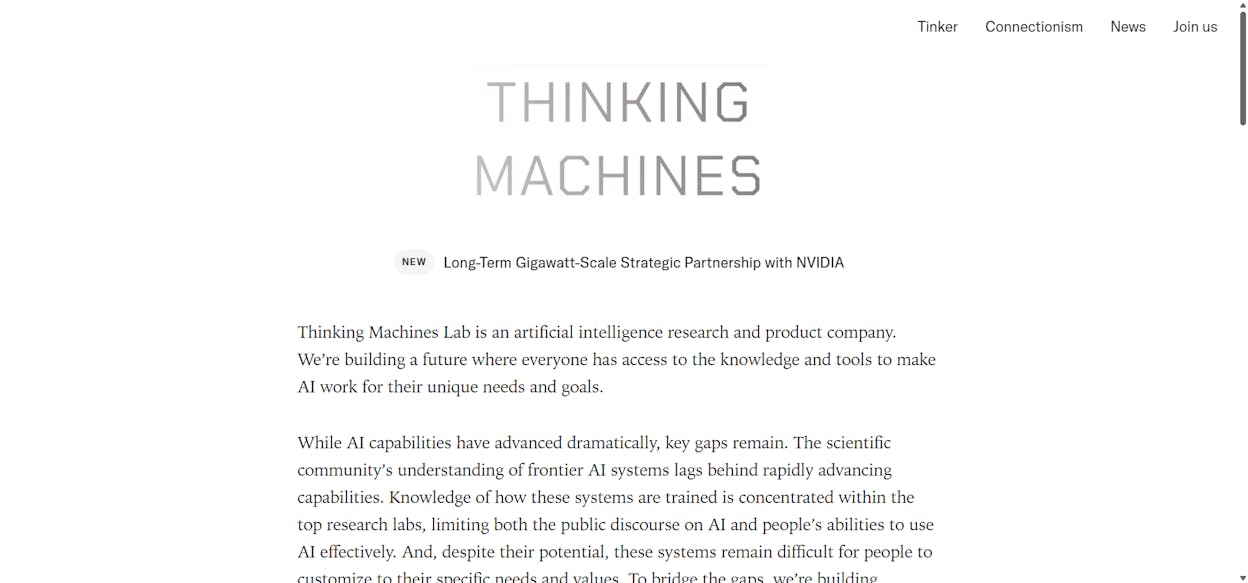
Thinking Machines Lab is Mira Murati’s frontier AI lab, founded after she left OpenAI in late 2024. The company is pre-revenue and has not shipped a public product, yet its branded search is growing at the fastest rate of any AI company on the GFD list relative to its size, at roughly 39.2% per month. Founder credibility plus a record-breaking seed round have created enormous curiosity. This is the cleanest example on the list of branded search as a leading indicator. People are searching to understand what Thinking Machines is going to do, long before there’s anything to buy.
7. Suno (+18.6% website growth, 80M visits)
Year founded: 2023 Location: Cambridge, Massachusetts Reported ARR: $150M+ Total funding: $125M
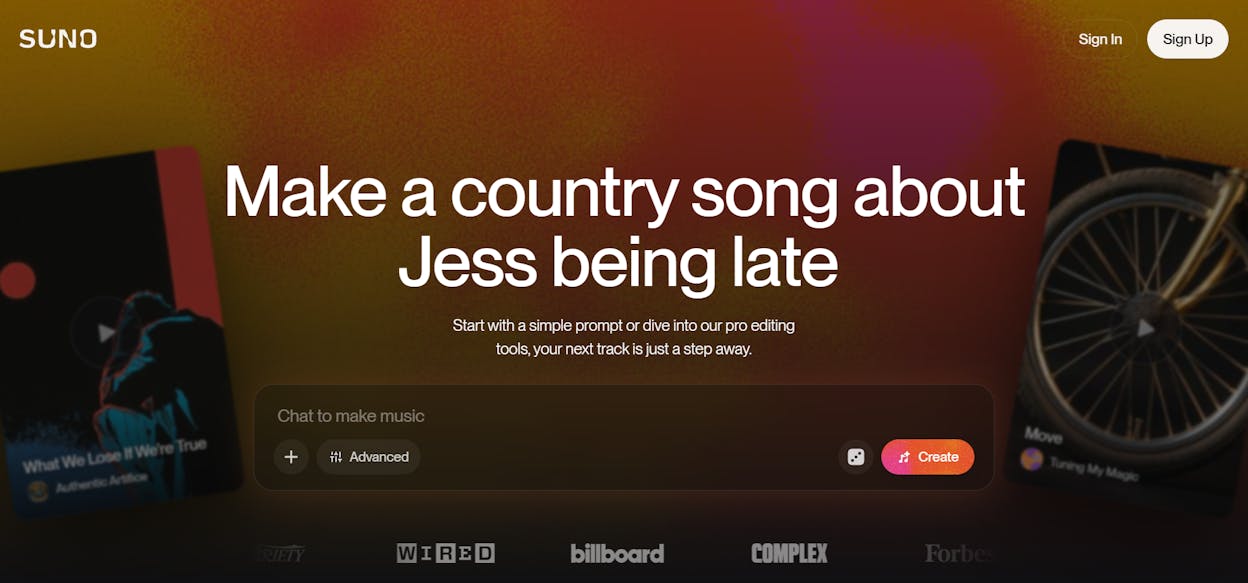
Suno generates full songs from text prompts, including vocals, instruments, and lyrics. The website grew 18.6% month over month at the start of 2026. Music labels have been hostile, and Suno is in active litigation with major rights holders, but the consumer pull keeps growing. Independent creators use it for podcasts, YouTubers use it for soundtracks, and Suno-generated tracks have started showing up in TV ads.
8. xAI ($42.7B funding, $20B raise January 2026)
Year founded: 2023 Location: San Francisco / Memphis Reported ARR: $500M+ Total funding: $42.7B, including a $20B Series E on January 6, 2026
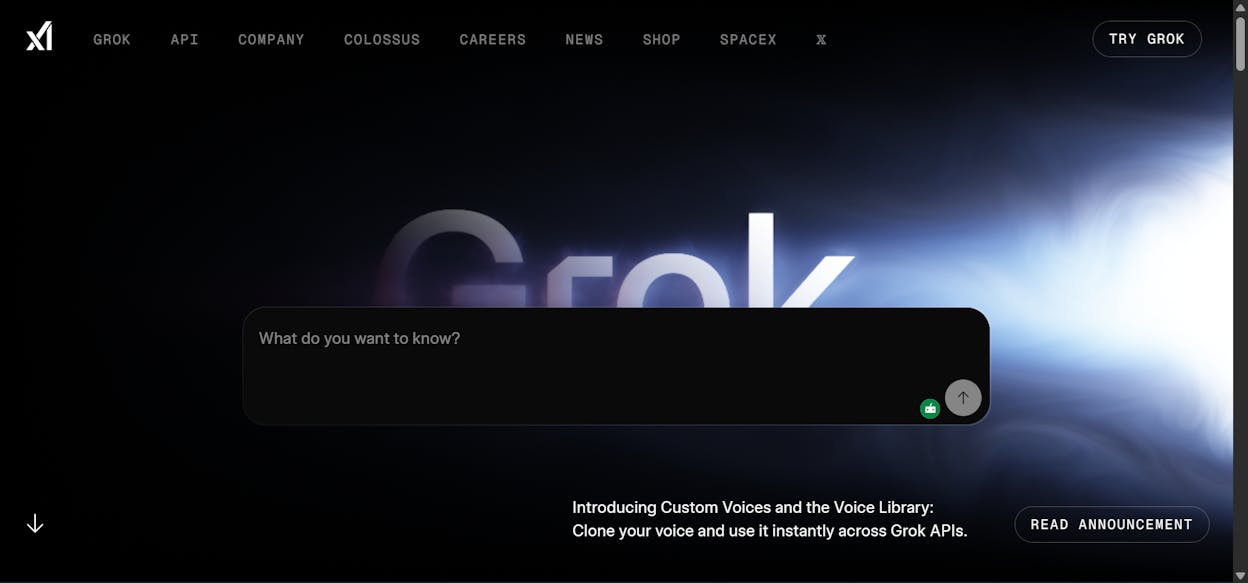
xAI is Elon Musk’s frontier model lab, the company behind Grok. Funding-wise, it now sits ahead of every other AI company on this list. The $20B Series E in January 2026 was the largest single AI raise of the year and brought xAI to the second-largest cumulative funding total in private AI history, behind only OpenAI. Grok is bundled into X, and that bundling has driven 500,000+ active users. xAI’s website traffic grew 19.7% month over month at the start of 2026.
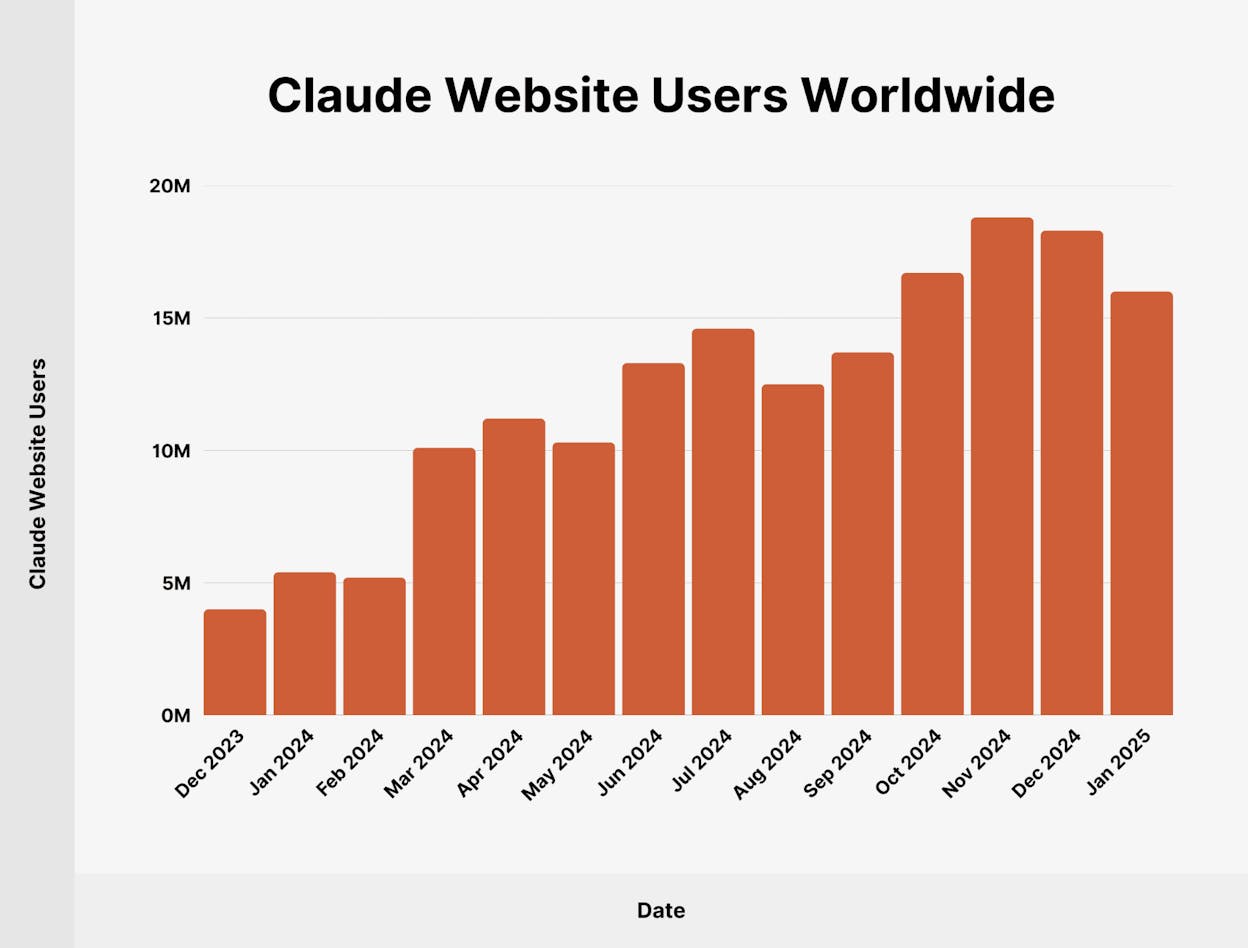
9. Anthropic ($30B revenue run rate)
Year founded: 2021 Location: San Francisco Reported ARR: $30B annualized, early 2026 Total funding: $20B+
Anthropic makes Claude, the model family that has become the developer favorite for coding. Claude Code in particular has been the breakout product of late 2025. By January 2026 it had reached 57% developer awareness with 18% active workplace usage, putting it in striking distance of GitHub Copilot. The reported $30B revenue run rate is one of the most aggressive in software history, and it’s being driven by API usage rather than seats. Anthropic also runs the Model Context Protocol, the open standard that’s becoming the connective tissue between AI agents and external tools.
10. ElevenLabs (43M monthly visits, $200M+ ARR)
Year founded: 2022 Location: New York / London Reported ARR: $200M+ Total funding: $281M
ElevenLabs is the voice AI category leader. The product generates near-human speech in 30+ languages, supports voice cloning with consent verification, and has become the default API for podcasts, audiobooks, and game studios. Forty-three million monthly visits puts it ahead of nearly every voice AI competitor. The 2026 question for ElevenLabs is whether they can defend against OpenAI’s voice models and Google’s audio tooling now that those companies have caught up on quality.
Three patterns the data reveals
Looking across the full list, three things stood out.
Coding is no longer one category. It is at least three. Cursor, Lovable, and Cognition are all called “AI coding companies,” but they sell to different buyers. Cursor sells an editor to professional developers, Lovable sells app generation to non-developers, and Cognition sells autonomous agents that complete tasks without supervision. All three are growing fast at the same time because they are not really competing.The biggest funding does not always track the biggest growth. xAI raised $42.7B but is not in the top 10 by branded search velocity. LMArena, with $250M total, sits at #1. If you’re trying to spot the next breakout, the cleaner signal is fast growth on a small base, not funding announcements.
Vertical AI is quietly winning. Below the headline-grabbing horizontal companies, the list is full of companies focused on one industry. Harvey for legal, OpenEvidence for clinicians, Tempus AI for oncology, Rogo for financial services, EliseAI for real estate. Their customer base is small but revenue per customer is high and churn is low. If you sell to enterprises in a regulated vertical, the AI competitor in your space will be a focused vertical company, not a horizontal generalist.
The 2026 wrinkle: branded search isn’t the whole picture
The Ahrefs methodology that inspired this article is still useful, but it has a 2026 problem.
Branded search measures what happens after someone has already heard of you. It catches the moment when a person types your company name into Google. That signal lags actual product discovery by weeks or months in a world where buyers go to ChatGPT, Perplexity, and Google AI Overviews first.
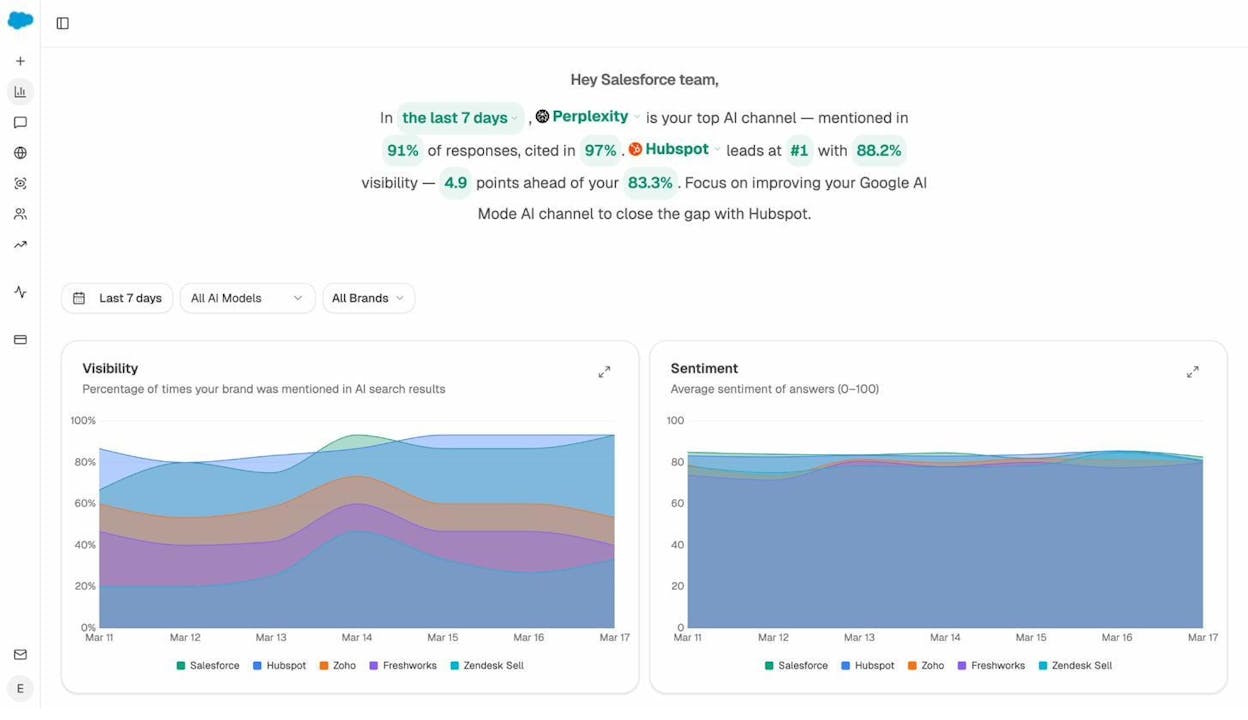
We pulled visibility data on every company on this list across the major AI engines. OpenAI, Anthropic, and Cursor get cited in roughly every category-relevant prompt. The more interesting cases are companies with high AI visibility before their branded search has caught up. Decagon, Mercor, and Sierra are good examples. They get recommended for prompts like “best AI agent platform” or “best customer support AI” at rates out of proportion with their current Google search volume. That gap is one of the strongest leading indicators we’ve found for which companies are about to break out.
This matters because SEO is not dead. It’s becoming a layered discipline. Branded search is still real, because people who hear about you in AI search often follow up with a Google search for your name. But if you only watch branded search, you miss the upstream signal where AI engines recommend companies before the wider market catches on.
How to find the next 50 yourself
Here is the workflow we use to spot growing AI companies before they show up on lists like this. You can do most of it with a free tool stack.
Step 1: Start with branded search trends
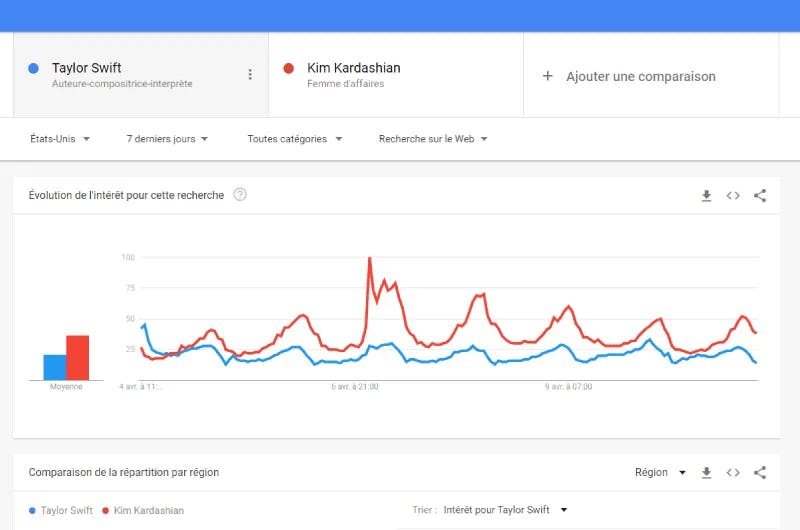
Pick a category, then identify the companies in it. The fastest way is to ask ChatGPT or Claude for “the 30 most-mentioned companies in [your category]” and use that as a seed list. Then check branded search growth using Google Trends or our keyword rank checker for each company name. You want a 12-month trend that’s up and monthly volume growing on a rising base.
Step 2: Check actual website traffic
Branded search is one signal, actual visits are another. Run each candidate through our website traffic checker. What you want is rising visits combined with rising organic share, which means the growth is sustainable rather than driven by a single PR moment.
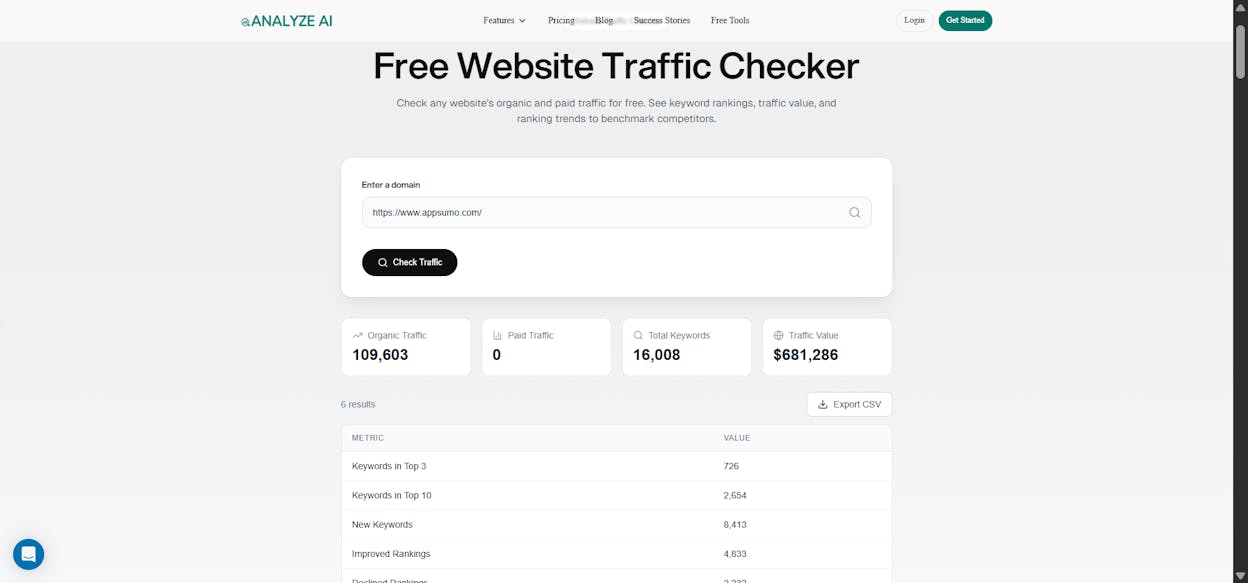
Step 3: Check AI search visibility
This is where most analyses stop and we keep going. For each candidate, run a few category-defining prompts in ChatGPT, Perplexity, and Google’s AI Mode. Try prompts like “best AI coding tool,” “best voice AI platform,” or “best AI legal research tool.” Note which companies get cited and how often. If a company is recommended by AI search before its branded search has caught up, that’s a strong leading indicator.
For one-off checks, our ad-hoc prompt search tool runs a single prompt across ChatGPT, Google AI Mode, and Perplexity in one shot.
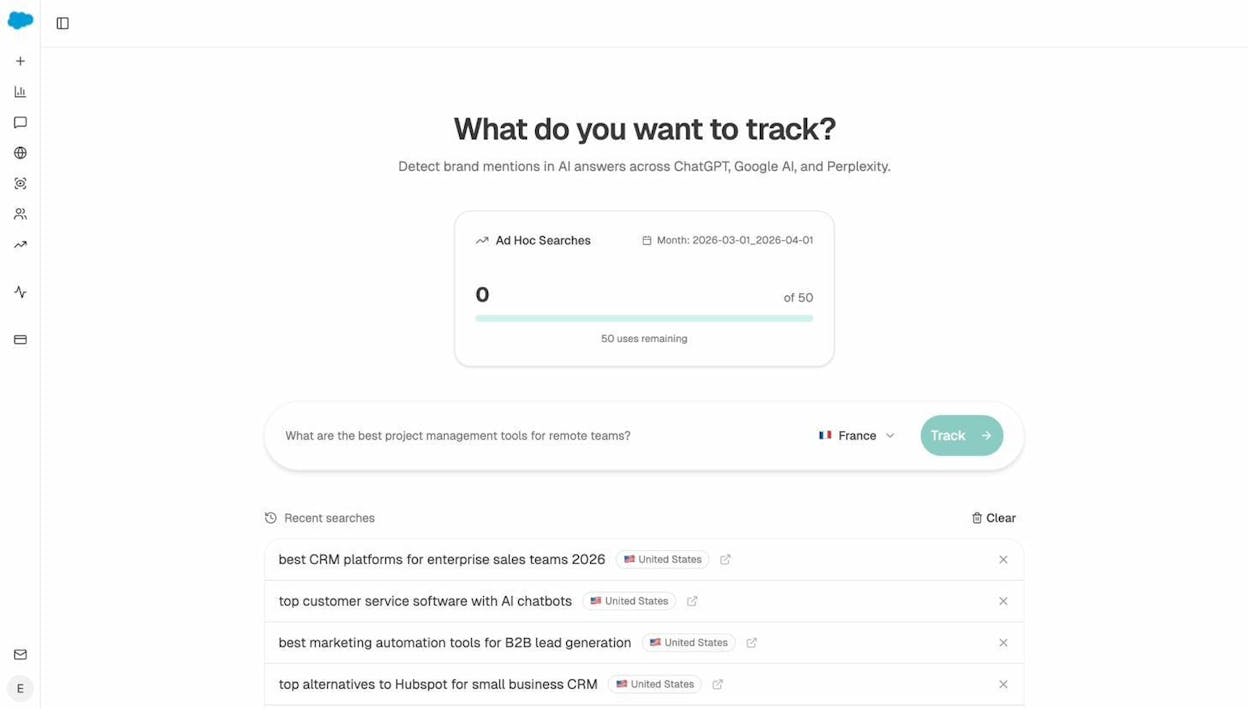
For continuous tracking, set up prompt tracking on the prompts that matter most for your category. The system runs them daily and shows which brands gain or lose visibility week over week.
Step 4: Watch competitor mentions you weren’t expecting
The most useful early signal is when a company you’ve never heard of starts getting mentioned alongside companies you do track. The Suggested Competitors view in Analyze AI surfaces brands that are being mentioned in the same AI conversations as your tracked companies but that you have not added yet.
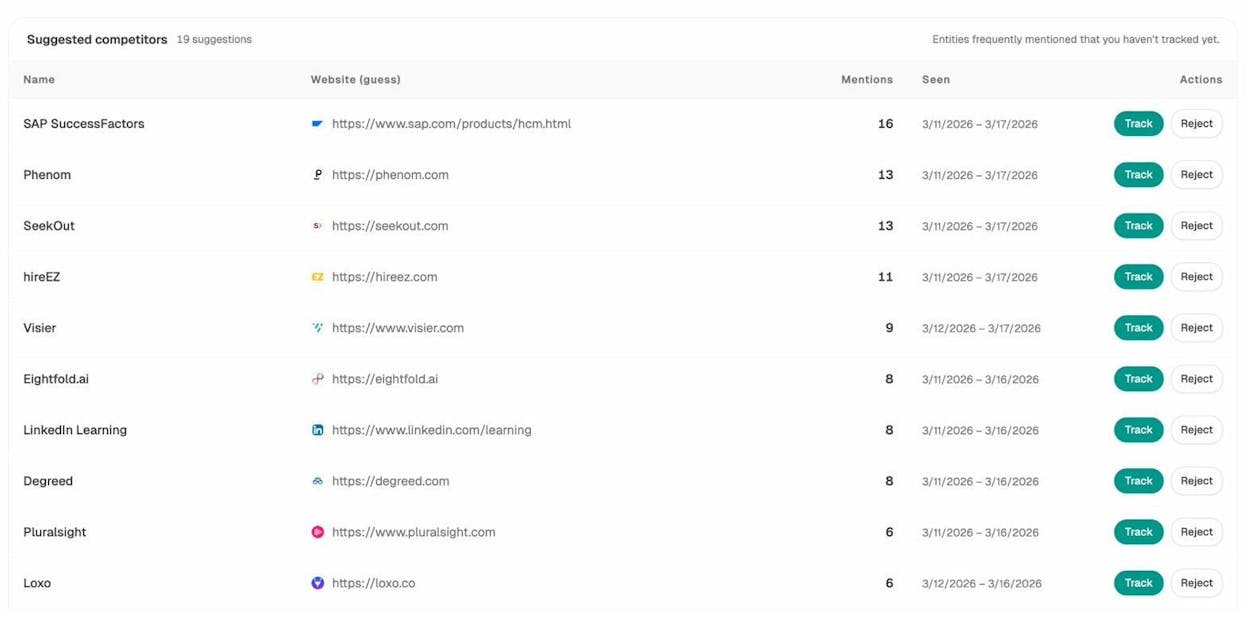
This is how we spotted three of the companies in the top 10 above. They appeared in suggested competitors weeks before they hit headline coverage.
Step 5: Verify with funding signals
Once a company passes the first four checks, look at funding using Crunchbase, PitchBook, or the Green Flag Digital Tech 100. The pattern you want is sustained funding from quality investors at increasing valuations, not a single mega-round followed by silence.
Step 6: Track AI traffic to your own site
If your goal is to ride the same wave (rather than just spot it), the final step is to measure AI search traffic to your own pages. Most analytics tools still bucket traffic from ChatGPT and Perplexity as “direct” or “referral,” which makes the channel invisible. Our AI traffic analytics breaks out visits by AI engine, shows which pages get cited, and tracks engagement on each.
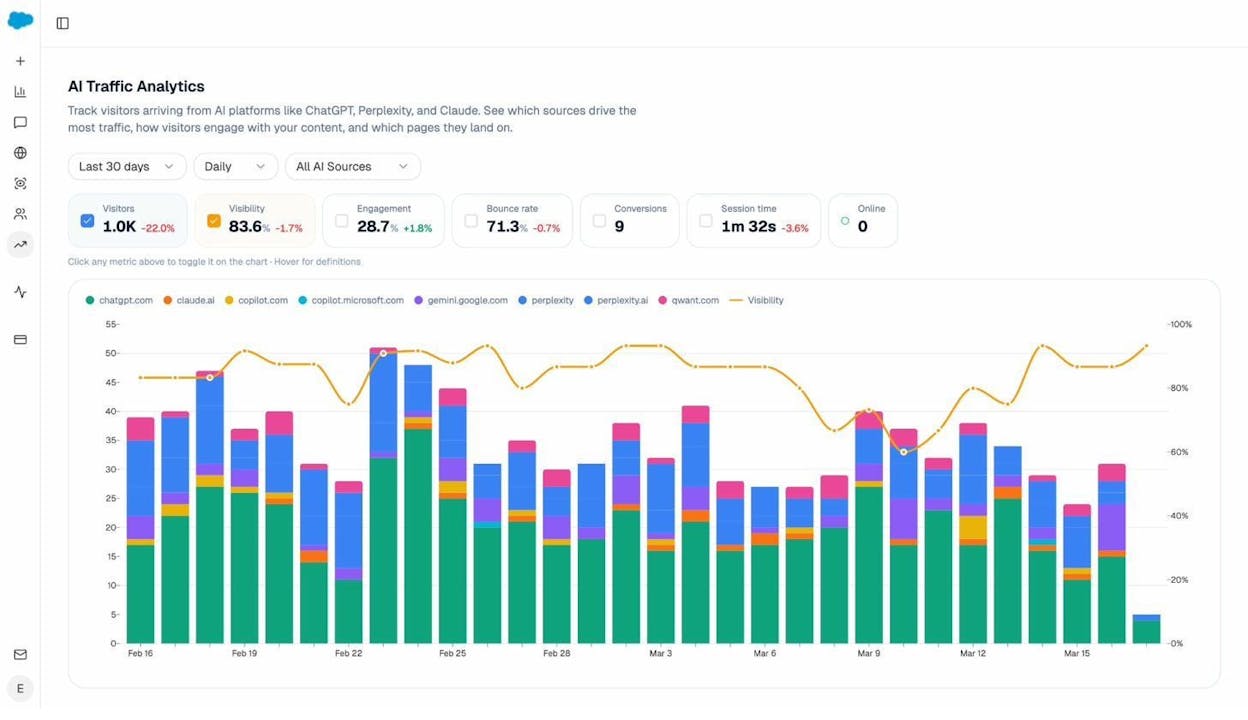
Cited pages tend to share three things. They have clear structure, they make one core claim per section, and they put a directly extractable answer near the top. Once you know which pages those are, you can double down on what works.
Final thought
The 50 fastest-growing AI companies in 2026 are growing because the surface area of what AI can do keeps expanding. Coding became three categories. Voice and music caught up to text. Vertical AI started outearning horizontal AI in regulated industries. None of that was obvious 18 months ago.
What we’d push back on is the framing that this all replaces existing demand. People still search Google. They still buy from companies whose names they remember. AI search is an additional channel that sits alongside traditional search, and the brands that win in 2026 are the ones treating both as real. If you want to track the next wave (or want your brand to be one of them), the Analyze AI platform was built for exactly that.

Ernest

Ibrahim


