



Summarize this blog post with:


In this article, you’ll learn what a nofollow link is, how Google treats it in 2026, the two newer link attributes most guides still skip, whether nofollow links help with SEO, whether they do anything for AI search engines like ChatGPT and Perplexity, and how to audit your own site for nofollow issues that could be quietly costing you traffic.
Table of Contents
What is a nofollow link?
A nofollow link is a hyperlink that includes a rel="nofollow" attribute in its HTML. The attribute tells search engines that the linking site does not want to vouch for, endorse, or pass ranking credit to the destination URL.
To a regular reader, a nofollow link looks identical to a normal link. The difference only shows up in the source code.
A normal followed link looks like this:
<a href="https://www.tryanalyze.ai">Analyze AI</a>
A nofollow link looks like this:
<a href="https://www.tryanalyze.ai" rel="nofollow">Analyze AI</a>
That single attribute changes how Google, Bing, and most other crawlers treat the link. Historically, it also changed whether PageRank flowed through the link, although Google has softened its stance on that since 2019.
The 3 link attributes you need to know in 2026
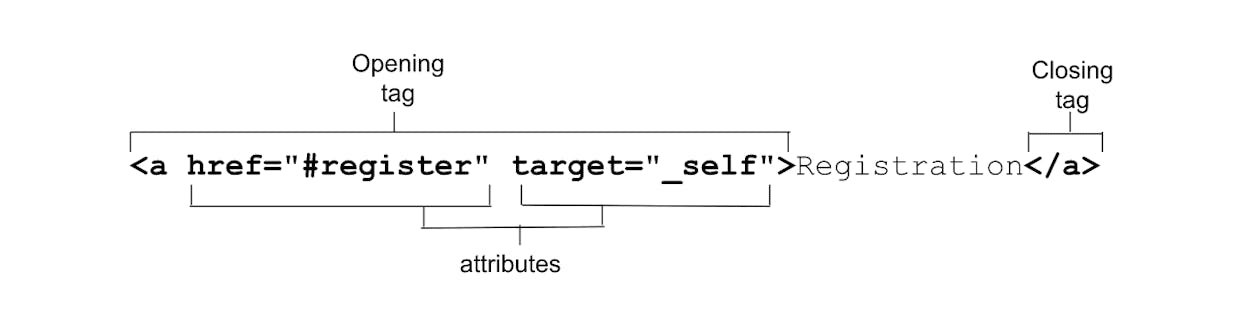
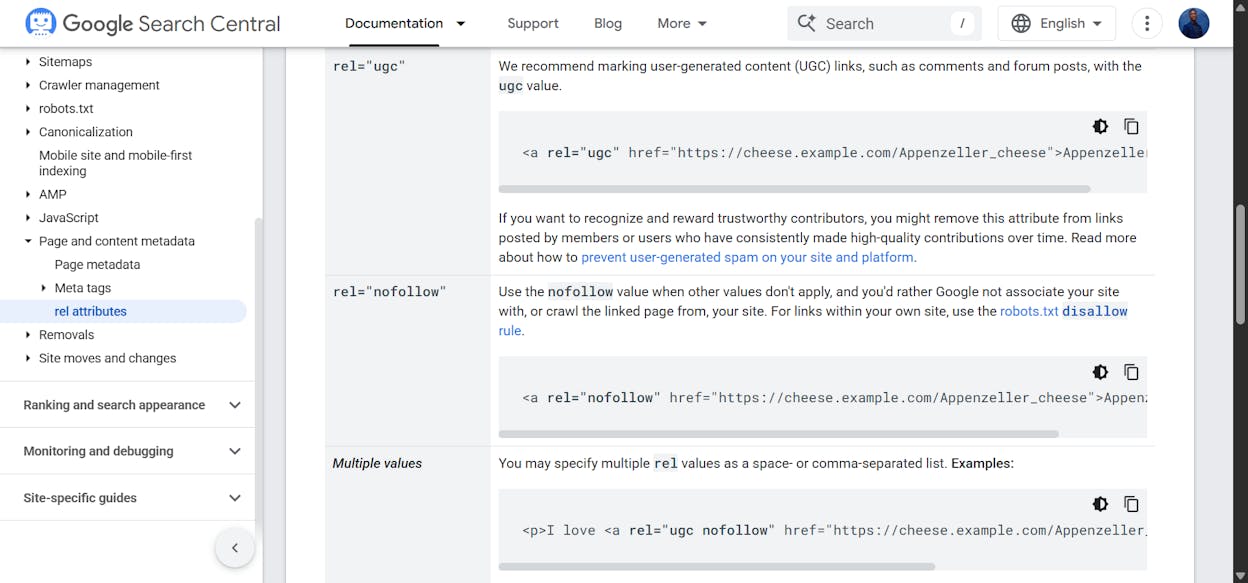
This is where almost every “what is nofollow” article gets stuck in 2019. Google introduced two additional link attributes that work alongside nofollow, and they are the ones you should be using in most cases today.
Here is how the three attributes break down.
|
Attribute |
What it signals to Google |
When to use it |
|---|---|---|
|
rel="nofollow" |
You do not want to endorse the linked page or pass ranking credit |
Generic untrusted links, links you are unsure about |
|
rel="sponsored" |
This link exists because of advertising, sponsorship, an affiliate program, or other compensation |
Affiliate links, paid placements, sponsored posts |
|
rel="ugc" |
This link was added inside user-generated content like a comment or forum post |
Blog comments, forum replies, profile bios |
You can also stack them. A sponsored link inside a forum thread, for example, can carry both attributes:
<a href="https://example.com" rel="ugc sponsored">Example</a>
Two things have changed since these attributes were introduced. First, Google now treats all three as hints rather than directives. Google reserves the right to follow a nofollow link if it thinks the link still carries useful signal. In practice, most nofollow links are still ignored for ranking purposes, but the model is no longer “Google completely ignores this link.”
Second, if you have paid links anywhere on your site, Google strongly prefers sponsored over nofollow. Using the wrong attribute on a paid link can still be classified as a link scheme violation, even though both prevent ranking credit from being passed.
The practical rule is short. Use sponsored for any link you were paid to publish, ugc for any link a third party adds to your site, and nofollow for everything else you do not want to formally endorse.
A short history of nofollow
A bit of history helps explain why the tag exists, and why some of the older advice you’ll see online no longer applies.
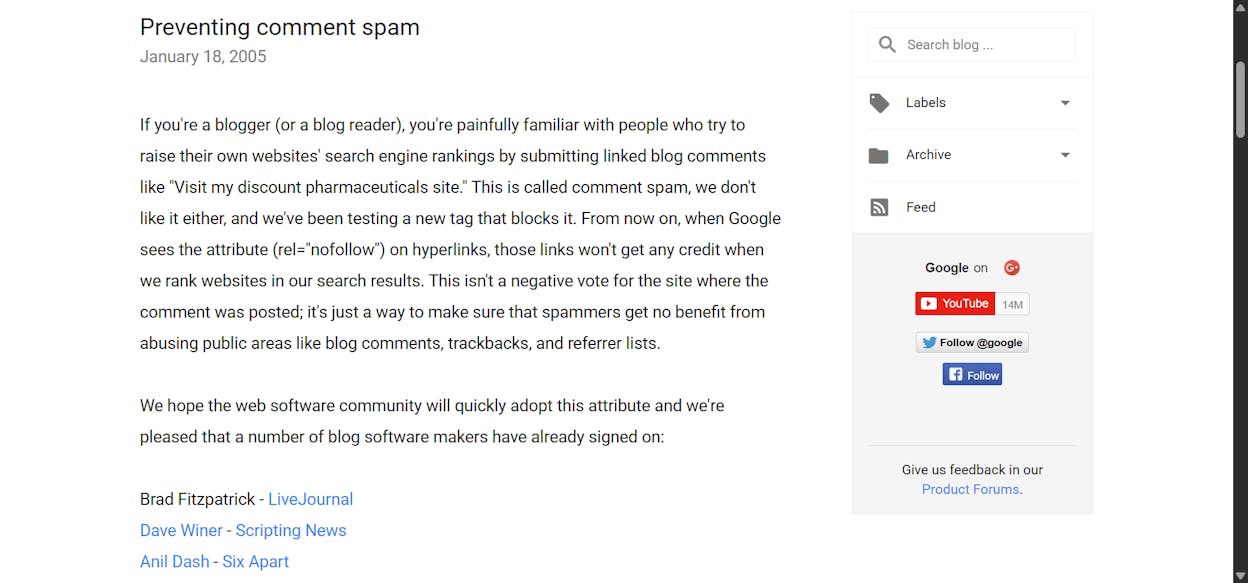
In 2005, Google launched nofollow to fight comment spam. Spammers were dropping links in WordPress comments to manipulate rankings, and rel="nofollow" gave site owners a way to neutralize them without deleting them.
In 2009, Google changed how PageRank flows through nofollow links. Before that change, if a page had ten outgoing links and five were nofollowed, the full PageRank flowed through the remaining five. SEOs exploited this by nofollowing low-priority internal links to send more PageRank to money pages. Matt Cutts confirmed in 2009 that nofollowed links now consume PageRank just like followed ones, killing the practice known as PageRank sculpting.
In 2019, Google introduced sponsored and ugc, and turned nofollow into a hint. Starting March 1, 2020, all three attributes became hints rather than strict instructions. Crawl-and-rank treatment is mostly the same as before, but Google now reserves the right to use the link for context.
In 2026, AI search added a second layer to the picture. AI engines like ChatGPT, Perplexity, Claude, and Google AI Overviews do not run a PageRank-style calculation at all. They retrieve, rank, and cite pages based on relevance and authority signals at query time. We’ll cover what that means for nofollow below.
Do nofollow links help with SEO?
The official Google line is that nofollow links do not transfer PageRank or anchor text in most cases. But there is a difference between “no direct ranking effect” and “no SEO value at all.” Nofollow links still help your SEO indirectly in three ways.
1. They keep your backlink profile natural
Real, organic backlink profiles are mixed. Some links are followed, and a meaningful chunk are nofollowed. That happens because so many high-traffic platforms nofollow outgoing links by default, including Reddit, Quora, most forums, LinkedIn, X, Facebook, YouTube, Wikipedia, WordPress comment sections, Trustpilot, and most press release wires.
If a site has 100% followed backlinks, that is itself a signal of manipulation. A natural ratio sits somewhere in the 40 to 90 percent followed range, with the exact number varying by industry. The point is to have a mix.
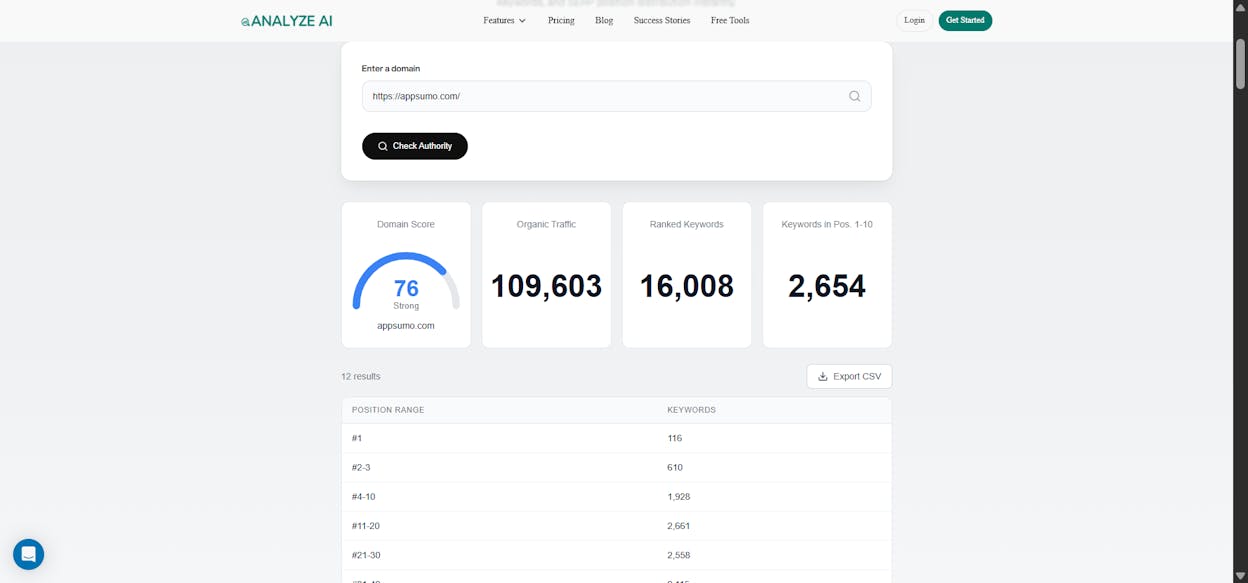
You can quickly check your followed-to-nofollowed ratio with a tool like our free Website Authority Checker, which shows the breakdown of any domain’s backlink profile.
2. They drive traffic, and traffic earns followed links
A nofollow link from Reddit, a popular podcast page, or a high-traffic Quora answer can send real visitors to your site. Some of those visitors are journalists, bloggers, and operators who run sites of their own. When they like your content, they often link to it from their site, and that second link is usually a normal followed link.
So the chain looks like this. A nofollow link drives a reader. The reader publishes their own piece. That piece links back to you with a regular followed link. The chain still works in 2026, and arguably matters more now, because the platforms that drive the most discovery (Reddit, YouTube, LinkedIn, Substack) almost all nofollow.### 3. They protect you from manual penalties
If you accept paid placements, affiliate links, or sponsorships and the link is followed, you are technically violating Google’s link spam guidelines. Google still has a public form that lets anyone, including a competitor, report your site for buying or selling links. Marking the link with sponsored (or nofollow) protects you from manual action. The downside, getting no ranking benefit from the link, is the trade-off, and most of the time it is worth it.
Do nofollow links help with AI search?
This is the part almost no other article on this topic covers, and one of the reasons we built Analyze AI in the first place.
AI search engines do not work like Google. They use retrieval-augmented generation (RAG), which means they pull live results from search indices and other sources at query time, then summarize them into a single answer with citations. That changes the nofollow conversation in three important ways.
AI engines lean heavily on platforms that nofollow everything. Independent research from Discovered Labs shows ChatGPT pulls roughly 47.9% of its top citations from Wikipedia, and Perplexity pulls 46.7% of its top citations from Reddit. Both platforms nofollow every outbound link. So if your brand gets mentioned in a Reddit thread or a Wikipedia entry, the link itself is nofollow, but the mention can drive substantial visibility in AI answers.
AI engines do not appear to use PageRank. They use vector similarity, document quality signals, freshness, and structural cues. Whether a citation came from a followed or nofollowed source has no obvious effect on whether the engine surfaces it.
Brand mentions matter even without a link at all. When an AI engine summarizes the best CRM tools and lists yours by name without a clickable citation, that is still a win. Nothing in the spec for nofollow maps cleanly onto this kind of unlinked mention.
The practical takeaway is that the activities you do for AI visibility (getting on Reddit threads, being listed in roundups, getting cited in Wikipedia) are exactly the activities that produce nofollow links. So a healthy AI search strategy will naturally generate a higher share of nofollow links over time, not a lower one.
You can use Analyze AI to see which URLs across the open web are being cited in AI answers about your category. The Sources view shows the actual domains and pages AI engines pull from when they answer questions in your space.
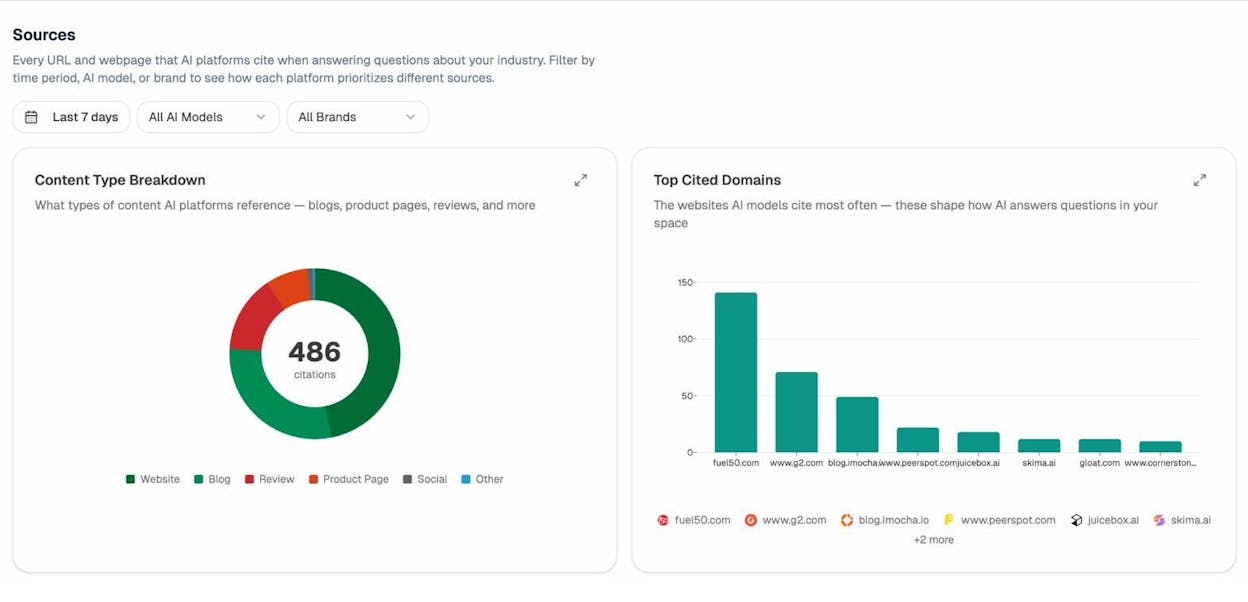
For most categories, the top cited domains are a mix of editorial sites, review aggregators, Reddit, Wikipedia, and competitor sites. Almost all of those outbound links are nofollow. None of that prevents the citation from being valuable. You can also dig deeper to see citation patterns by individual model:
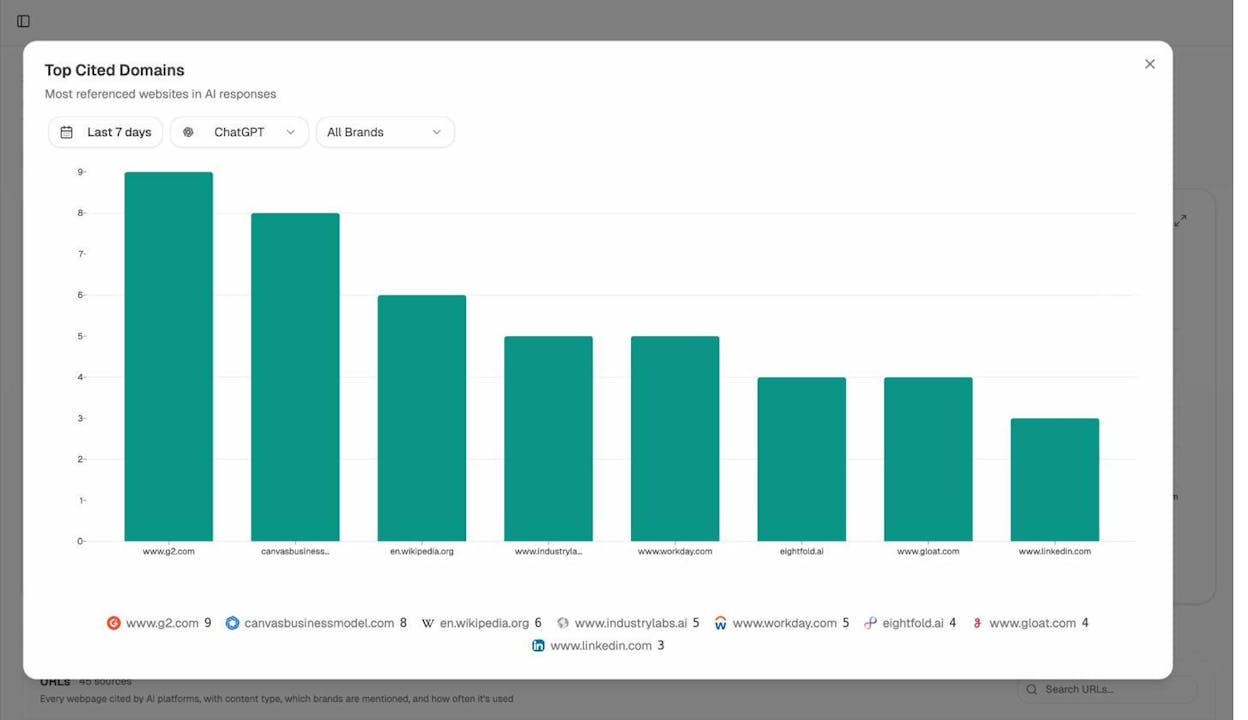
This is a different mental model than classic backlink analysis. The question stops being “is this link followed?” and becomes “does this URL get retrieved when a buyer asks a question?” For a deeper breakdown, our analysis of 83,670 AI citations covers which sites get cited most often and why.
How to audit your website for nofollow link issues
Whether your goal is classic SEO, AI search visibility, or both, you should periodically audit your site for two kinds of nofollow problems. The first is followed links that should be nofollowed (paid placements, suspicious anchors, sponsored content). The second is nofollowed links that should not be nofollowed (random internal links pointing to pages you actually want indexed).
Step 1: Find followed paid or sponsored backlinks
Pull the full list of backlinks pointing to your site using your preferred backlink analysis tool. Filter for the word “sponsored” or “ad” in the referring URL or anchor text, then filter again for followed links.
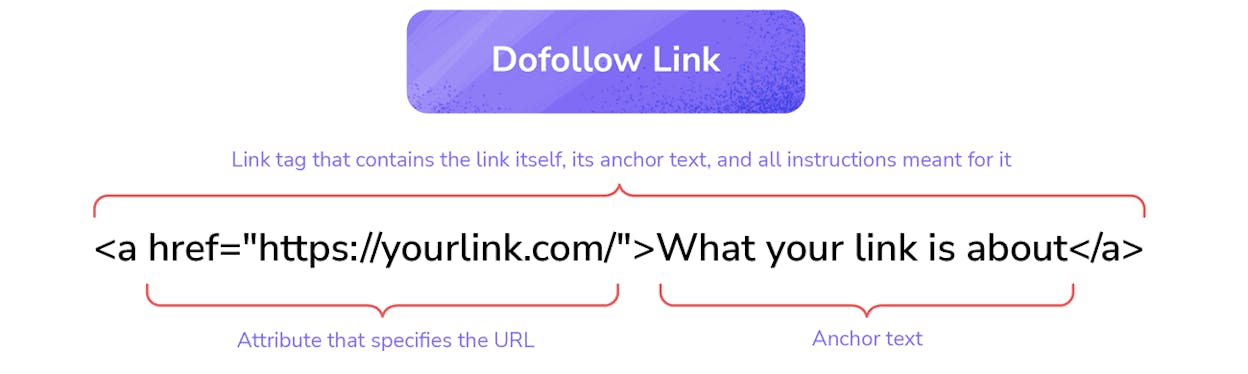
For each result, verify the link is actually a paid placement and not just a coincidence in the URL slug. If it is paid and followed, contact the publisher and ask them to add rel="sponsored" (or rel="nofollow"). If they refuse, disavow the link. Google has gotten noticeably better at algorithmically detecting paid link patterns since the launch of SpamBrain in 2022, so a trickle of followed paid links can sit unnoticed for years and then trigger a manual review during a core update.
Step 2: Find followed links with suspicious exact-match anchors
Most natural links use branded anchors (your company name), naked URLs, or generic phrases like “this article.” Followed links with exact-match commercial keywords (like “best mortgage refinance rates”) are a classic signature of paid link networks.
Export your full list of followed inbound anchors and sort by referring domain count. Anything with a high-CPC commercial keyword as the anchor deserves a closer look.
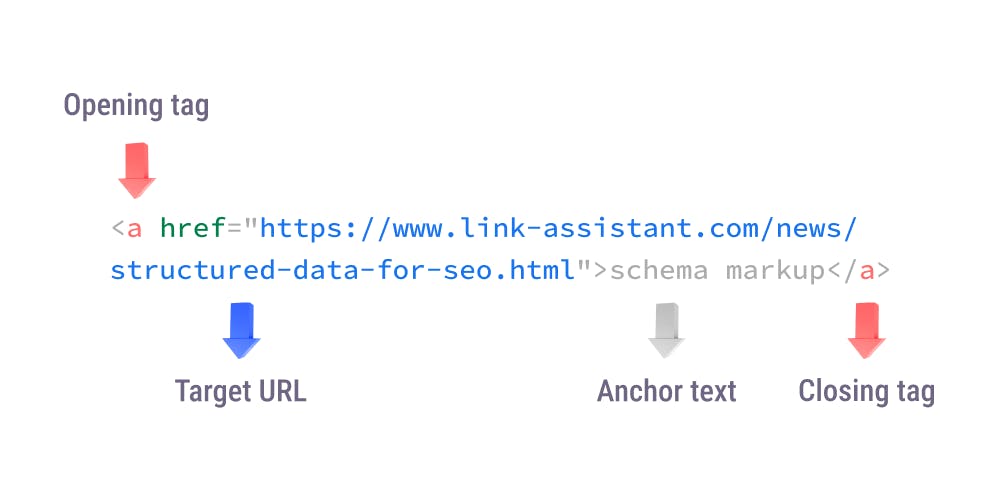
If the anchor came from a guest post bio, ask the host site to swap it for a branded anchor. If it came from a syndicated widget, update your widget HTML to nofollow the link by default. Otherwise, disavow the source domain.
Step 3: Find broken outbound links that may need attention
Broken outbound links can compound nofollow problems, because crawlers waste budget chasing dead URLs while you sit on link equity that is not flowing anywhere useful. Run your site through our free Broken Link Checker to find every dead outbound link, then decide whether to update each URL, replace it with a working alternative, or remove it entirely.
![Analyze AI Broken Link Checker showing a scan result with broken outbound links listed by URL]](https://www.datocms-assets.com/164164/1778029237-blobid9.png?auto=format,compress&w=1248&fit=max)
Pay extra attention to broken outbound links that should have been nofollowed in the first place (affiliate links, links to old paid sponsorships).
Step 4: Find nofollowed internal links you did not intend
This is the most overlooked check. Internal links should almost always be followed, unless they point to a login page, a checkout step, an admin area, or another URL you do not want indexed.
Crawl your own site, then filter the internal link report for any link that includes rel="nofollow". For each result, ask yourself whether there is a reason for the nofollow attribute. If there isn’t, remove it.
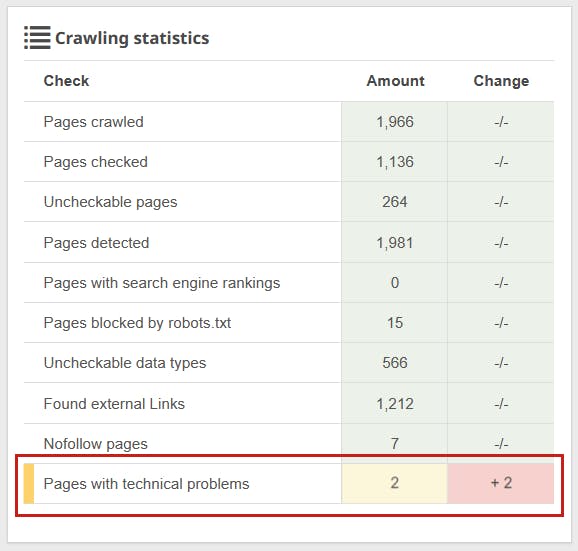
Common offenders include CMS templates that auto-add nofollow to certain link types and bulk find-and-replace mistakes from old SEO tutorials about PageRank sculpting. For more on building a clean internal link structure, see our 10 internal linking tips for SEO.
Step 5: Find outbound links that should be nofollowed but aren’t
The reverse problem is just as common. If you’ve ever accepted a guest post, run an affiliate program, or had a comment section that someone slipped a link into, you may have followed external links pointing to spammy destinations.
Run a site search for outbound links from common high-risk pages, including old guest posts, resource roundups, comment sections that aren’t auto-nofollowed, footer links to partners, and author bios. For each suspicious outgoing link, decide whether to add nofollow, swap it to sponsored (if it was paid), or remove it entirely. If you accept guest posts at any scale, the safest policy is to nofollow every outbound link in guest content by default and only manually upgrade specific links to followed when you are willing to vouch for them.
How to track the AI search side of the picture
Auditing your nofollow attributes is one half of the equation in 2026. The other half is tracking which URLs (followed, nofollowed, or even unlinked mentions) actually drive visibility in AI answers, since that channel runs on a completely different ranking mechanism. There are three things worth tracking.
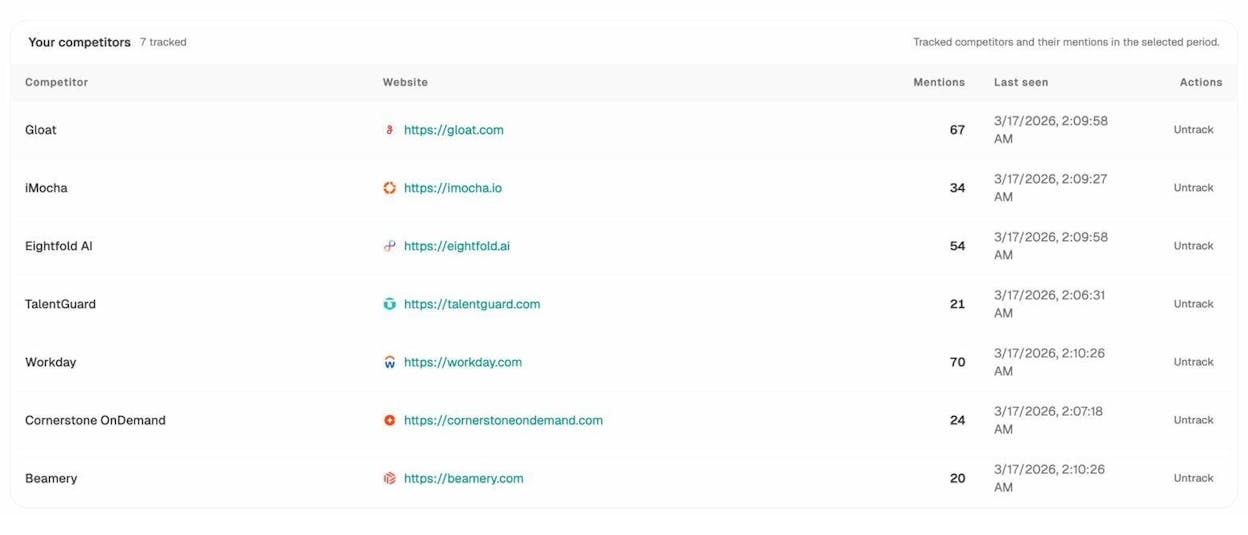
Track which competitor URLs get cited in your category. When a buyer asks an AI engine “what are the best [your category] tools,” the engine pulls from a small set of authoritative URLs to build the answer. If your competitors keep showing up in those URL sets and you don’t, you have a citation gap that no amount of followed backlinks will close.
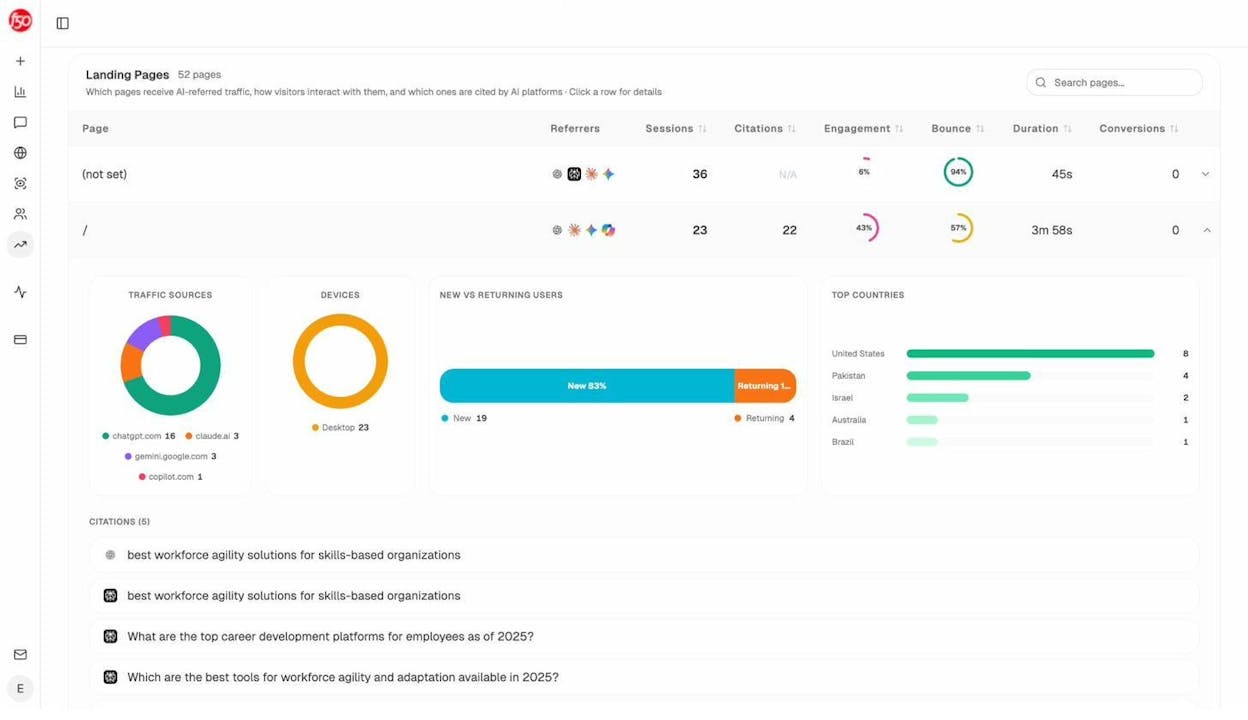
Track which of your own pages get AI traffic. A page that earns AI-referred traffic teaches you something specific. It is structured well, the topic matches buyer intent, and the AI engines retrieve it. When you see one of your pages winning AI traffic, study its structure and apply the same pattern to your other pages on related topics.
Track which prompts your brand actually shows up for. This is the AI search equivalent of a keyword rank tracker. You define the prompts your buyers ask, then monitor whether your brand gets mentioned, what other brands get mentioned alongside you, and how that share of voice changes over time.
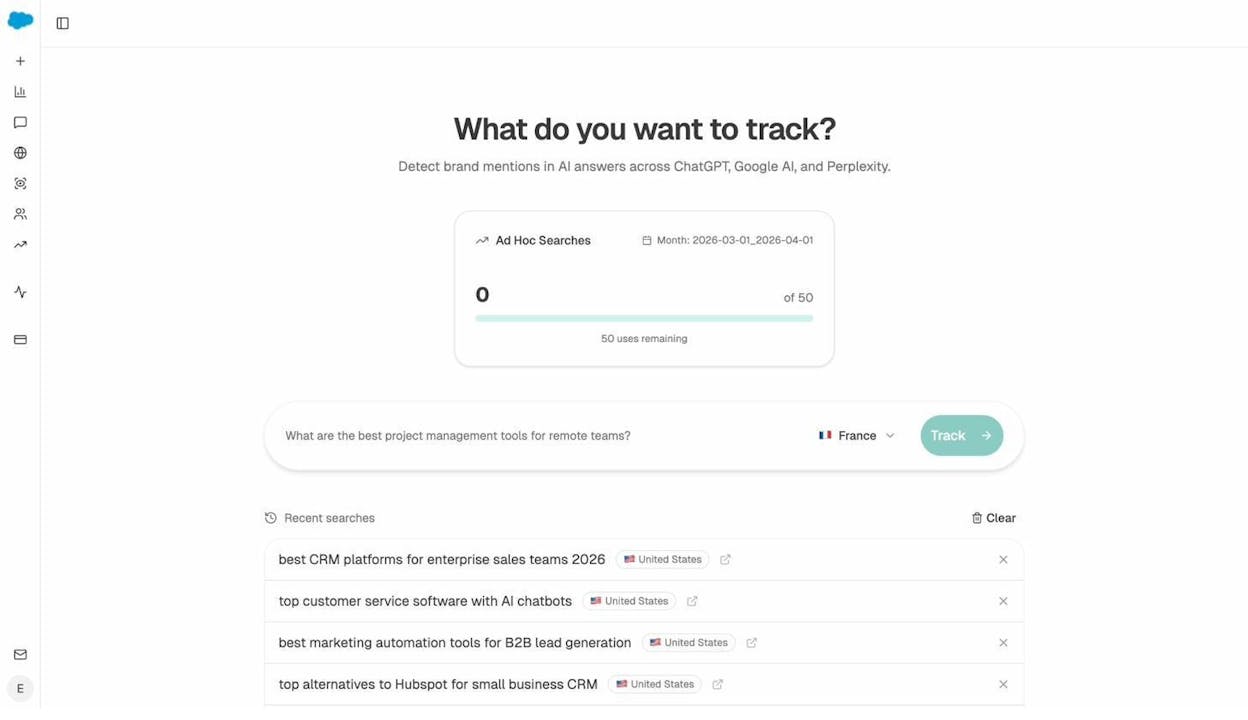
If your brand gets mentioned in those answers, the citations behind those mentions are almost always nofollow links from sites like Reddit, G2, Capterra, Wikipedia, and review aggregators. None of that hurts. It is the new shape of organic visibility. Our guides on how to rank on ChatGPT and how to rank on Perplexity walk through the specific signals each engine appears to weight.
Final thoughts
Nofollow has been a moving target since 2005, and the version of the rule you should be following in 2026 is simpler than most articles suggest. Use sponsored for paid links, ugc for user-generated content, and nofollow for everything else you do not want to vouch for. Audit your site once or twice a year for followed links that should not be followed, and nofollowed internal links that should not be nofollowed.
For SEO, nofollow links still pull their weight indirectly. They diversify your link profile, drive referral traffic that earns followed links downstream, and protect you from penalties on paid placements.
For AI search, the framing changes entirely. The platforms AI engines lean on most heavily nofollow everything, and the engines themselves do not appear to weight followed and nofollowed links differently. What matters is whether your URL gets retrieved when a buyer asks a question in your category, and whether your brand name shows up in the answer.
SEO is not dead, and AI search is not a replacement for it. They are two organic channels that need to be tracked together. Keep your link hygiene tight on the SEO side, and pay closer attention to citation patterns and brand mentions on the AI search side. Both compound over time.
If you want to see how your brand is currently being cited (or not) across ChatGPT, Perplexity, Gemini, and Copilot, you can sign up for Analyze AI and start tracking your share of voice in a few minutes.

Ernest

Ibrahim


![Link Prospecting: How to Find Quality Backlinks for Your Website [With Template]](/_next/image?url=https%3A%2F%2Fwww.datocms-assets.com%2F164164%2F1778017297-blobid0.png&w=3840&q=75)