



Summarize this blog post with:


I reviewed over 40 digital marketing Facebook groups. Most were spam-filled ghost towns. Some were thinly disguised sales funnels. A handful were genuinely useful.
The 10 groups below made the cut because they share three traits: active moderation that keeps spam out, members who share real experiences (not just link drops), and consistent activity that makes checking in worthwhile.
Before diving in, one thing to know: most private groups ask a few screening questions when you request to join. Answer them honestly. Admins use these to filter out spammers, and skipping them usually gets your request denied.
Here are the 10 best digital marketing Facebook groups:
-
Superstar SEO
-
Facebook Ad Hacks
-
SaaS Growth Hacks
-
Google SEO Mastermind
-
Marketing Solved
-
CXL – Conversion Optimization, Analytics & Growth
-
Women in Tech SEO
-
Dumb SEO Questions
-
The Daily Carnage
-
Digital Marketing Questions
Table of Contents
1. Superstar SEO
Founder: Chris M. Walker Group type: Private Topics covered: SEO, content marketing, link building, agency growth Best for: Beginners to advanced SEOs, agency owners Member count: 77,000+ Sign-up link: Facebook
Superstar SEO is one of the largest SEO-focused Facebook groups, and it earns its size. Founder Chris Walker built the group on a simple idea: share what works, ask what doesn’t, and help each other grow.
Walker’s own background gives the group credibility. After stints in IT and politics, he moved into affiliate marketing before founding freelance marketplace Legiit and the Superstar SEO community. He’s active in the group and sets the tone: no question is too basic, and promotional posts are kept in check.
[Screenshot of Superstar SEO group showing a member asking a question about technical SEO and receiving multiple detailed answers]
What makes this group stand out is the mix of experience levels. You’ll find agency owners discussing client retention strategies alongside beginners asking about meta descriptions. The content spans technical SEO, link building case studies, toolset recommendations, and portfolio-building tips.
The moderation is solid. Self-promotion is limited to specific threads, and the community self-polices low-quality posts effectively. If you join only one SEO group, this is a strong default choice.
2. Facebook Ad Hacks
Founder: Catherine Howell Group type: Private Topics covered: Facebook ads, social media advertising, agency management Best for: Mid-level to experienced marketers, agency owners Member count: 148,000+ Sign-up link: Facebook
Facebook Ad Hacks is the go-to group for paid social advertising. At nearly 150,000 members, it’s the largest group on this list, and the volume of activity reflects that.
Founder Catherine Howell runs Eight Loop Social, a social media agency, and she stays genuinely engaged. She regularly posts discussion prompts, shares memes about the realities of ad management, and weighs in on member questions. That kind of founder involvement is rare at this scale.
[Screenshot of Facebook Ad Hacks group showing a discussion thread about full-funnel Facebook ad strategy for e-commerce]
The discussions get technical. Expect threads on custom audience segmentation, creative testing frameworks, attribution models, and scaling strategies. Members share actual ad performance data, which is far more useful than theory.
One drawback: the group averages around 28 posts per day. Questions can get buried fast. Turn off notifications and visit on your own schedule when you need specific advice or inspiration. The signal-to-noise ratio is good, but the sheer volume takes management.
3. SaaS Growth Hacks
Founder: Aaron Krall Group type: Private Topics covered: SaaS marketing, growth hacking, CRO, product-led growth Best for: SaaS founders, mid-level to experienced marketers Member count: 32,000+ Sign-up link: Facebook
If you work in SaaS, this group is essential. Aaron Krall built SaaS Growth Hacks after noticing that no quality community existed specifically for SaaS founders who wanted to talk growth.
Krall’s experience as a SaaS conversion specialist shows in the group’s focus. He’s helped companies convert expired trial users into paying customers through email nurture campaigns, and that practical, results-oriented mindset carries through to the community.
The membership includes founders of established companies like Intercom and AdEspresso, so the caliber of advice tends to be high. Discussions cover lead generation for early-stage startups, B2B marketing outreach tactics, onboarding optimization, and product launch strategies.
This group is better suited to marketers with some experience. The conversations assume familiarity with SaaS metrics like MRR, churn rate, and LTV/CAC ratio. If you’re new to SaaS, you’ll learn fast—but you’ll need to do some background reading to keep up.
4. Google SEO Mastermind
Founder: Schieler Mew Group type: Private Topics covered: SEO, local SEO, Google Ads, SEM Best for: Mid-level to advanced marketers, local business owners Member count: 89,000+ Sign-up link: Facebook
Google SEO Mastermind is more niche than most marketing groups, and that works in its favor. The discussions focus on the mechanics of Google search—redirects, Search Console issues, click-through rate optimization, and technical troubleshooting.
Founder Schieler Mew built his career in local SEO after working as an affiliate marketer for Uber and Lyft. Today he runs ServiceLifter.com, a marketing agency for home-service companies. That practical, small-business-focused perspective shapes the group’s culture.
The group sees around 20 quality posts daily, which is an active pace without being overwhelming. Mew runs educational polls and shares his own findings, and a team of moderators adds interesting takeaways for the community.
What I appreciate about this group is the specificity. Members share actual screenshots from Google Search Console, discuss real ranking changes, and troubleshoot specific issues. It’s less “what is SEO” and more “why did my rankings drop after this core update.” That level of specificity makes it worth checking regularly.
5. Marketing Solved
Founder: Kat Sullivan Group type: Private Topics covered: General marketing, social media, entrepreneurship Best for: Beginners to experienced marketers, small business owners Member count: 24,000+ Sign-up link: Facebook
Marketing Solved stands out because its founder actually shows up. Kat Sullivan noticed that most Facebook group founders created communities and then disappeared. She built Marketing Solved to do the opposite.
Sullivan’s background adds weight to her advice. She’s been featured in Inc., Entrepreneur, and Fast Company, and she co-founded social media management tool Tassi. More importantly, she’s generous with what she’s learned from working directly with entrepreneurs and brands.
The group connects small-business owners and marketers with useful resources. Members share marketing case studies, free course invitations, and ask questions about monetizing online brands. It’s one of the more accessible communities on this list—the tone is supportive, and no question feels too basic.
Self-promotion follows a structured schedule: Instagram Mondays and a monthly Pitch & Promote Your Biz thread. Outside those windows, the focus stays on learning and discussion. That balance between promotion and education is hard to maintain in a group this size, and Marketing Solved does it well.
6. CXL – Conversion Optimization, Analytics & Growth
Founder: Peep Laja Group type: Private Topics covered: CRO, analytics, growth marketing, A/B testing Best for: Mid-level to experienced marketers, data-driven teams Member count: 15,000+ Sign-up link: Facebook
If you care about evidence-based marketing, Peep Laja’s CXL group is a must-join. Laja built ConversionXL on the premise that marketing decisions should be driven by data, not gut instinct. His Facebook community reflects that philosophy.
What sets this group apart is the quality of discussion. Members openly share failed experiments, which is far more valuable than the highlight reels you see in most marketing communities. You’ll find threads on Google Analytics configurations, CRO audit methodologies, tag manager implementations, and recommended reads.
Laja enforces a strict no-spam, no-link-dumping policy. That means the content stays relevant and the conversations go deep. Given the sizable community of CRO-focused marketers, you’re likely to learn something new every time you check in.
The group is a natural fit for marketers who want to sharpen their analytics skills. If you’re running A/B tests, optimizing landing pages, or building out your measurement stack, the CXL community will challenge and improve your thinking.
7. Women in Tech SEO
Founders: Areej AbuAli Group type: Private (Facebook group + Slack community) Topics covered: Technical SEO, content SEO, analytics, career development Best for: Women and gender-diverse professionals in SEO Member count: 2,700+ (Facebook); 1,700+ (Slack) Sign-up link: Facebook, Slack
Women in Tech SEO (WTS) fills a genuine gap. Founded by Areej AbuAli in 2019, it’s a community built to support women and gender-diverse professionals in the technical SEO space.
The Facebook group sees around five posts daily, with discussions on SEO strategy, basic and advanced tactics, hreflang implementation, and Google Search Console troubleshooting. Job postings and success stories appear regularly, and the community is noticeably supportive.
![[Screenshot of Women in Tech SEO group showing a job posting and encouraging community interaction]](https://www.datocms-assets.com/164164/1776970012-blobid1.png?auto=format,compress&w=1248&fit=max)
What makes WTS valuable beyond the Facebook group is its broader ecosystem. The official website offers blog posts, podcasts, and weekly interviews with women in the industry. The Slack community has 24 topic-specific channels covering everything from #content-seo and #analytics to #technical-seo, #schema, and #cms.
The camaraderie here is real. Members lift each other up, share wins without judgment, and aren’t afraid to post the occasional SEO joke. If you’re a woman or non-binary professional in digital marketing, this community is worth your time.
8. Dumb SEO Questions
Founder: Jim Munro Group type: Open Topics covered: SEO (all levels) Best for: Beginners to experienced SEOs Member count: 15,000+ Sign-up link: Facebook
The name alone lowers the barrier to entry. Dumb SEO Questions encourages the questions you might hesitate to ask in a more “serious” community. And that openness leads to surprisingly productive discussions.
Expect around seven quality posts daily, covering technical SEO, Google Analytics, Search Console, and foundational SEO concepts. The pace is manageable—active enough to be useful, calm enough that you won’t miss important threads.
![[Screenshot of Dumb SEO Questions group showing a beginner asking about case study writer]](https://www.datocms-assets.com/164164/1776970024-blobid2.png?auto=format,compress&w=1248&fit=max)
What I find most impressive is founder Jim Munro’s dedication. Every month, he compiles questions from the group and takes them to SEO experts like David Rosam and Tim Capper via livestream on his YouTube channel. The channel is currently past its 400th episode. That’s a level of consistency most group founders never achieve.
The page has a strict policy against self-promotion, which keeps discussions focused on learning. Whether you’re a beginner with “green” questions or an experienced SEO looking for fresh perspectives, the group delivers.
9. The Daily Carnage
Founders: Carney (agency) Group type: Private Topics covered: General marketing, advertising, creative strategy, tools Best for: All levels, creative-minded marketers Member count: 20,000+ Sign-up link: Facebook
The Daily Carnage started as a marketing newsletter and evolved into one of the most engaging marketing communities on Facebook. The group’s 20,000+ members (self-described “Carnies”) share tools, tips, tactics, and—crucially—memes.
![[Screenshot of The Daily Carnage group showing members sharing an ad critique and having a discussion about creative strategy]](https://www.datocms-assets.com/164164/1776970031-blobid3.png?auto=format,compress&w=1248&fit=max)
What separates The Daily Carnage from other general marketing groups is its editorial voice. The community shares both good and bad advertisements and breaks down what works and what doesn’t. That kind of critical analysis is more useful than generic marketing advice.
The tone is relaxed and fun, but the insights are sharp. You’ll find threads on marketing tools you’ve never heard of, creative campaign breakdowns, and real-world advice on everything from email marketing to brand strategy. It’s the kind of group that makes you look forward to checking in.
10. Digital Marketing Questions
Group type: Open Topics covered: SEO, PPC, social media, analytics, content marketing Best for: All levels Member count: 25,000+ Sign-up link: Facebook
Digital Marketing Questions is exactly what it says: a community for asking and answering marketing questions. The open format means anyone can join without admin approval, which makes it one of the most accessible groups on this list.
![[Screenshot of Digital Marketing Questions group showing a member asking about attribution models and getting detailed answers]](https://www.datocms-assets.com/164164/1776970040-blobid4.jpg?auto=format,compress&w=1248&fit=max)
The group covers the full spectrum of digital marketing—SEO, PPC, social media, analytics, and content strategy. Having a Reddit account–style open access means the group sees a wider range of perspectives, from small-business owners figuring out their first Google Ads campaign to agency professionals sharing advanced tactics.
Moderation keeps the group spam-free, and there’s a pinned welcome post that sets expectations for new members. The breadth of topics covered makes it a good “catch-all” group if you want a single community for general marketing questions.
How to Find Facebook Groups Worth Joining
The 10 groups above are a solid starting point. But the digital marketing landscape changes fast, and new communities emerge regularly. Here’s how to evaluate any Facebook group before committing your time.
Check the posting frequency
Open the group and scroll through the last week of posts. If you see fewer than three posts in seven days, the group is effectively dead. If you see 50+ posts daily with no engagement, it’s a spam dump. The sweet spot is 3–20 quality posts per day.
Read the comments, not just the posts
Posts tell you what people want to talk about. Comments tell you whether anyone is actually listening. Look for threads where members give detailed, experience-based answers—not just links to their own blog posts.
Look at admin engagement
Groups where the founder or admins are active tend to be better moderated and more focused. If the last admin post was six months ago, the group is running on autopilot. That usually means spam is creeping in.
Check the group rules
Well-run groups have clear, enforced rules about self-promotion, spam, and off-topic posts. If you can’t find group rules—or the rules exist but nobody follows them—move on.
Start with two or three groups
It’s tempting to join every group you find. Don’t. Start with two or three that match your current focus, spend a few weeks observing and engaging, and then decide which ones deserve your ongoing attention.
![[Screenshot description: A Facebook group search results page showing how to search for digital marketing groups and filter by relevance]](https://www.datocms-assets.com/164164/1776970047-blobid5.png?auto=format,compress&w=1248&fit=max)
How to Actually Get Value From Marketing Groups
Joining a group is step one. Getting value from it requires a different approach.
Ask specific questions
“How do I get more traffic?” will get generic answers. “I’m getting 500 visits/month from Google to a B2B SaaS blog. My top post ranks #4 for ‘project management software.’ What should I focus on to move it to #1?” will get useful ones. Specificity invites expertise.
Share your own results
The best way to get value from a community is to give value first. Share a case study, post your test results, or break down a campaign that worked (or didn’t). Members who contribute tend to get better responses when they ask questions.
Use the search function
Before posting a question, search the group. Your question has likely been asked and answered in detail. Facebook’s group search isn’t perfect, but it’s good enough to surface previous discussions on most common topics.
Set a time limit
Facebook groups can become a productivity trap. Check in once or twice a week for 15–20 minutes. Save longer discussions for when you have a specific problem to solve. If you’re spending an hour a day in marketing groups, you’re procrastinating—not learning.
Beyond Facebook: Where Marketers Are Gathering Now
Facebook groups remain useful, but they’re not the only game in town. The marketing community has expanded across platforms, and some of the best conversations are happening elsewhere.
Slack communities
Communities like Women in Tech SEO, Superpath, and Online Geniuses offer more organized, topic-specific discussions through channels. The threaded format keeps conversations easier to follow than Facebook’s linear feed.
Subreddits like r/marketing, r/SEO, and r/digital_marketing offer anonymity that sometimes leads to more honest, less performative advice. The downside: moderation quality varies.
Discord servers
Younger marketers and growth teams are increasingly moving to Discord, where real-time chat and voice channels support a different kind of collaboration. Look for servers around specific niches like content marketing, paid media, or growth engineering.
LinkedIn groups
LinkedIn has invested in improving its group experience. While engagement still lags behind Facebook, LinkedIn groups tend to attract a more senior, B2B-focused audience. Worth watching as LinkedIn continues to improve the product.
How AI Search Is Changing How Marketers Discover Communities
Here’s something most articles about marketing groups won’t tell you: the way people discover communities is shifting.
Increasingly, marketers aren’t just Googling “best digital marketing Facebook groups.” They’re asking ChatGPT, Perplexity, or Gemini for recommendations. And the answers they get depend on which brands and communities those AI engines recognize.
This matters for two reasons. First, if you run a community or brand, your visibility in AI search determines whether people find you when they ask these questions. Second, as a marketer joining groups, you should be aware that AI search recommendations are only as good as the data these models have been trained on. Some excellent communities may not appear in AI answers because they lack the content footprint that AI engines rely on.
This is exactly the kind of shift we track at Analyze AI. Our platform shows how AI engines like ChatGPT, Gemini, Perplexity, and Copilot represent brands and communities in their answers—which ones get recommended, which ones get ignored, and why.
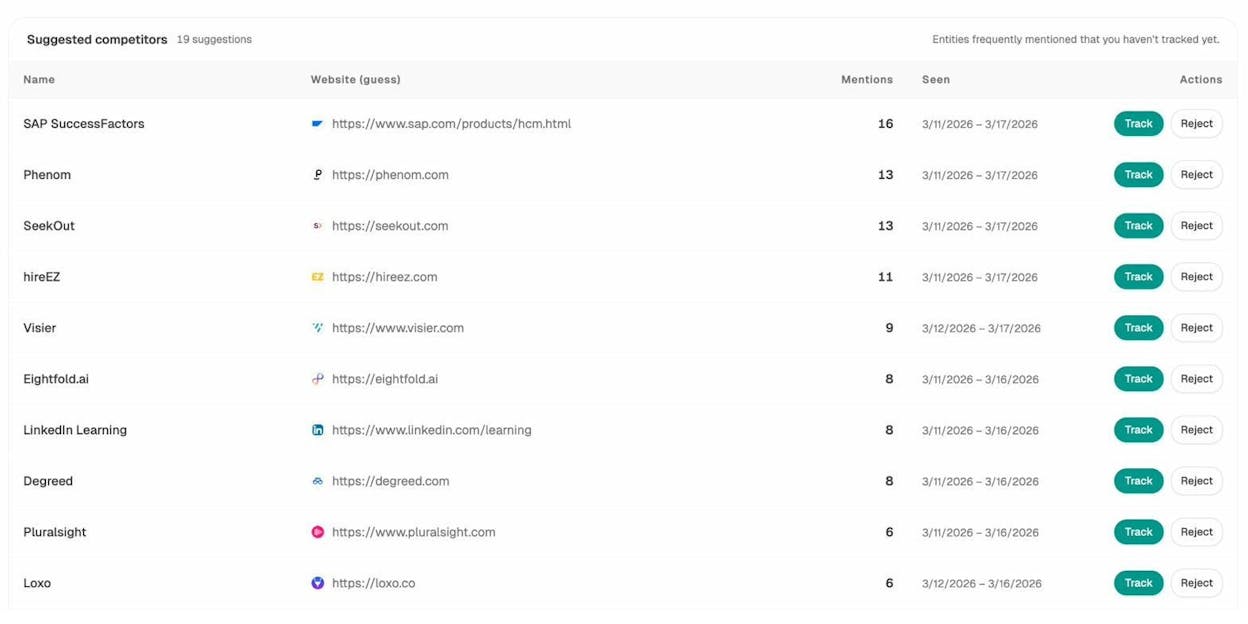
If you’re building a community or brand and want to understand how AI search portrays you, Analyze AI’s competitor tracking shows exactly where you rank across AI engines and who appears alongside you.
Using AI Search to Find Niche Communities
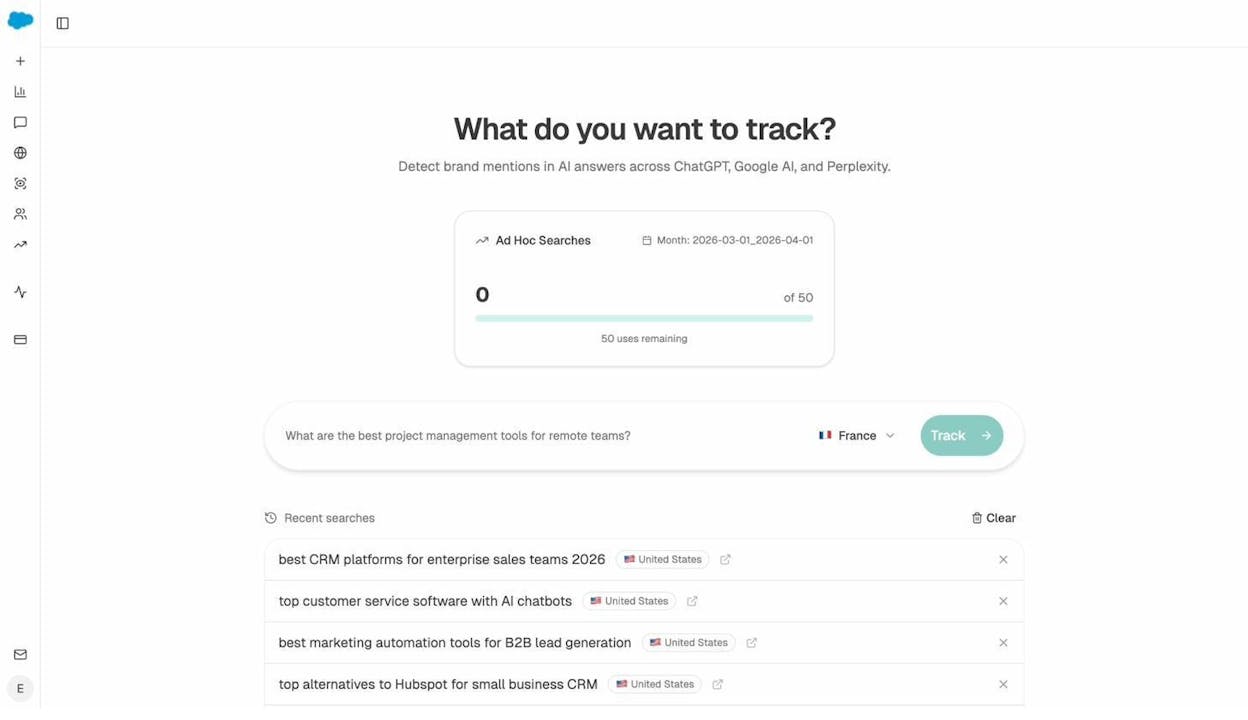
One powerful use case: instead of scrolling through generic Google results, you can ask AI engines directly for niche community recommendations. Try prompts like:
-
“What are the best Facebook groups for SaaS content marketers?”
-
“Where do local SEO professionals gather online?”
-
“What communities do growth marketers recommend for A/B testing discussions?”
The results will vary across engines. That variance itself is useful—it shows you communities you might not have found through a single search engine.
With Analyze AI’s ad hoc prompt search, you can run these queries across multiple AI engines simultaneously and see who gets mentioned and cited.
How to Track Your Brand’s Visibility in Marketing Communities
If you’re a marketer who participates in these groups—or runs a brand that’s discussed in them—there’s a layer of strategy most people miss.
The content shared in Facebook groups influences what AI models learn about your brand. When members link to your articles, discuss your tools, or recommend your products, that activity contributes to your broader content footprint. And that footprint determines whether AI engines mention you when someone asks a relevant question.
Monitor how AI engines perceive your brand
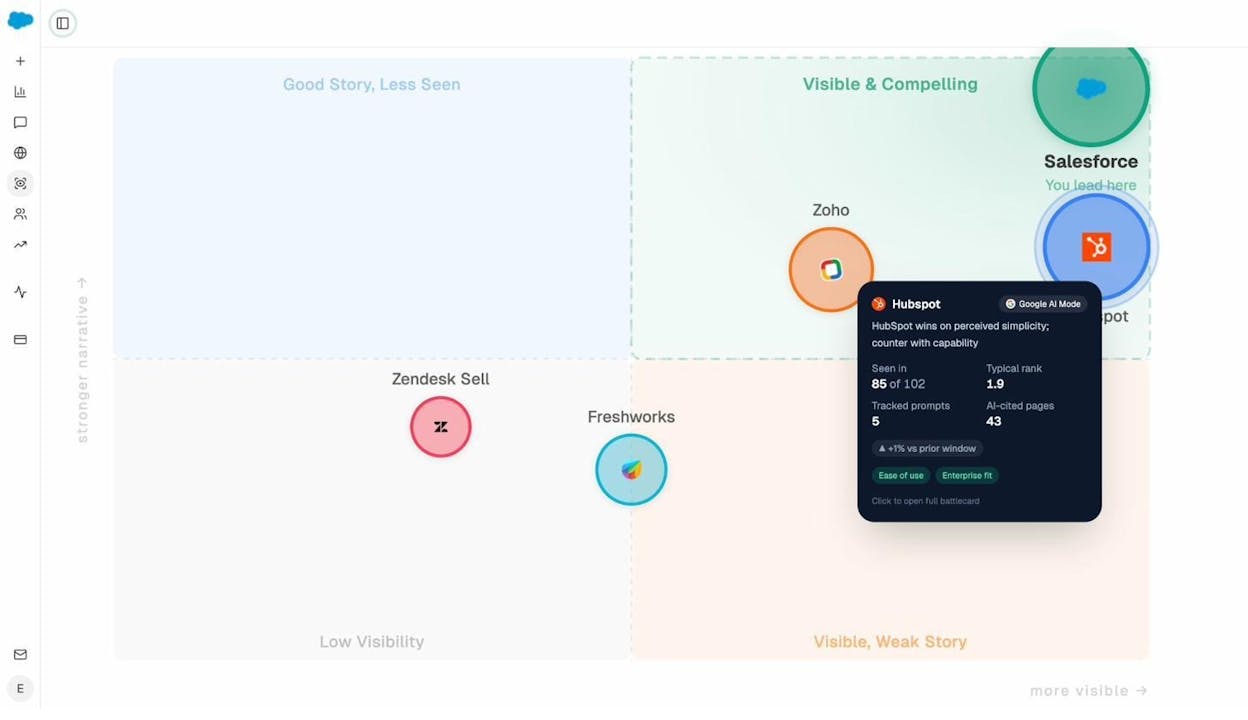
Use a tool like Analyze AI to track how AI answer engines describe your brand. Are they recommending you? Ignoring you? Recommending a competitor instead? The Perception Map shows the exact narrative AI builds about your brand—positive, neutral, or critical.
Track which sources AI engines trust
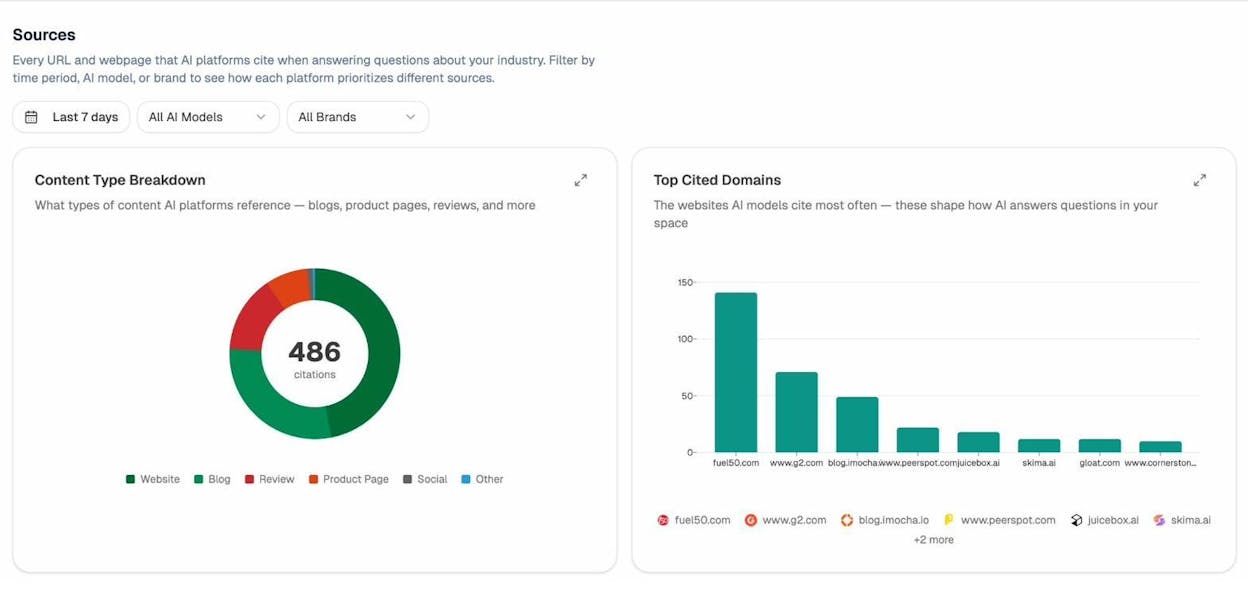
When AI engines answer questions about your industry, they cite specific sources. Analyze AI’s Sources dashboard shows every URL and domain that AI engines cite in your space. If a competitor’s blog post is being cited as the authoritative source on a topic you own, that’s a gap you can close.
Measure AI-driven traffic to your site
Community participation drives traffic—but increasingly, some of that traffic comes through AI search rather than direct links. Analyze AI’s Traffic Analytics shows how many visitors come from ChatGPT, Perplexity, Gemini, and other AI engines, and which pages they land on.
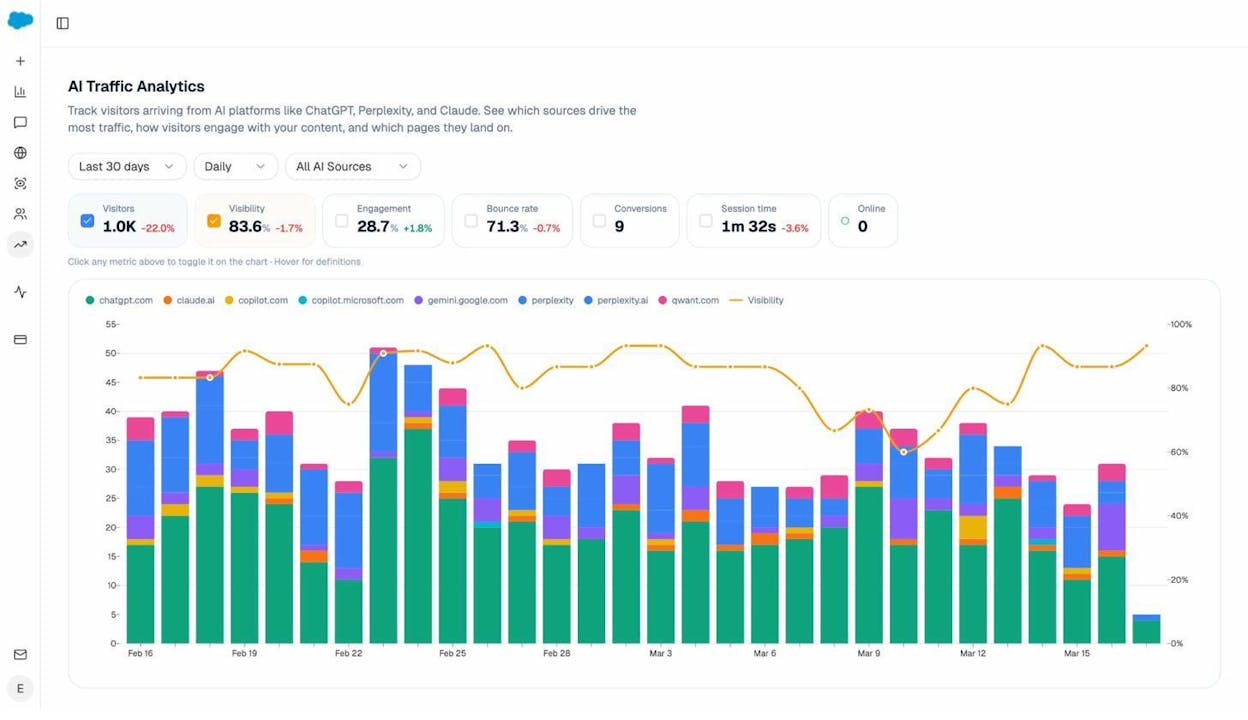
This data helps you understand the full picture: not just who’s talking about you in Facebook groups, but how those conversations ripple out into AI search visibility and actual website traffic.
Comparison: All 10 Groups at a Glance
|
Group |
Members |
Type |
Best For |
Focus |
|---|---|---|---|---|
|
Superstar SEO |
77,000+ |
Private |
All levels |
SEO, link building, agencies |
|
Facebook Ad Hacks |
148,000+ |
Private |
Mid-advanced |
Facebook/social ads |
|
SaaS Growth Hacks |
32,000+ |
Private |
Mid-advanced |
SaaS marketing, CRO |
|
Google SEO Mastermind |
89,000+ |
Private |
Mid-advanced |
Google SEO, local SEO |
|
Marketing Solved |
24,000+ |
Private |
All levels |
General marketing, social |
|
CXL |
15,000+ |
Private |
Mid-advanced |
CRO, analytics, A/B testing |
|
Women in Tech SEO |
2,700+ |
Private |
All levels |
Technical SEO, career growth |
|
Dumb SEO Questions |
15,000+ |
Open |
All levels |
SEO (all topics) |
|
The Daily Carnage |
20,000+ |
Private |
All levels |
Creative marketing, tools |
|
Digital Marketing Questions |
25,000+ |
Open |
All levels |
Full-spectrum marketing |
Final Thoughts
You don’t need to join all 10 groups. Pick two or three that match where you are right now—whether that’s learning SEO fundamentals, scaling Facebook ads, or growing a SaaS product—and commit to engaging consistently for a month.
The best marketing groups reward participation, not lurking. Ask questions. Share what you’ve learned. Offer help when you can. That’s how you turn a Facebook group from a time sink into a genuine competitive advantage.
And as search continues to evolve, remember that the conversations happening in these groups don’t just stay on Facebook. They shape how AI engines perceive your brand, your expertise, and your authority. Understanding that connection—and tracking it with tools like Analyze AI—is what separates marketers who adapt from those who fall behind.
For more on building a marketing strategy that works across both traditional search and AI search, check out these resources:

Ernest

Ibrahim


