



Summarize this blog post with:


In this article, you’ll learn how to make your law firm easier to find on Google, how to win the local map pack, how to build pages and links that rank, and how to stay visible as more of your prospects start their search inside ChatGPT, Perplexity, Gemini, and Google AI Mode instead of a traditional search results page.
Table of Contents
1. Win the local map pack
The local pack is the block of three businesses Google shows above the regular results when someone searches with local intent.
![[Screenshot of a Google search for “personal injury lawyer [city]” showing the local map pack with three law firm listings above the organic results]](https://www.datocms-assets.com/164164/1778268690-blobid1.png?auto=format,compress&w=1248&fit=max)
For most queries that bring in clients (“divorce lawyer near me”, “DUI attorney Brooklyn”, “estate planning lawyer Austin”), the local pack is the first real result on the page. Ranking inside it can outperform ranking number one in the regular organic results.
Google decides the local pack on three signals. Relevance, distance, and prominence. You influence each one with three steps.
Set up and optimize your Google Business Profile
Google Business Profile is the source of every listing in the local pack. If you do not have one, create one. If your firm has multiple offices, list each physical location with a real address. Virtual offices and PO boxes get suspended.
![[Screenshot of Google Business Profile setup page for a law firm with the Categories field set to “Personal injury attorney”]](https://www.datocms-assets.com/164164/1778268702-blobid2.png?auto=format,compress&w=1248&fit=max)
Fill out every section. Pick a primary category that matches your main practice area, then add secondary categories for the rest. A divorce lawyer who also handles wills should set the primary as “Family law attorney” and add “Estate planning attorney” as secondary. Add hours, phone, website, services, photos of your office and team, and at least one Q and A you write yourself.
![[Screenshot of a complete Google Business Profile showing services list, photos, reviews, and Q&A]](https://www.datocms-assets.com/164164/1778268706-blobid3.png?auto=format,compress&w=1248&fit=max)
The field most firms skip is Services. Adding a complete list of the matters you handle gives Google more language to match against the long-tail queries your prospects type.
Get listed on legal directories and citations
Citations are mentions of your firm name, address, and phone number on other websites. They feed Google’s confidence that your firm is real and located where you say. They also rank for high-intent queries in legal SEO.
![[Screenshot of a Google search for “divorce lawyer New York” showing top results dominated by directories like Avvo, FindLaw, Justia, and Super Lawyers]](https://www.datocms-assets.com/164164/1778268709-blobid4.png?auto=format,compress&w=1248&fit=max)
Search any “[practice area] lawyer [city]” query and you will see directories above almost every law firm. Getting listed is how you appear inside their internal results, which often rank above your own site.
The directories worth your time, in priority order:
|
Directory |
Why it matters |
|---|---|
|
Google Business Profile |
Powers the map pack |
|
Avvo |
Ranks for almost every lawyer query |
|
Justia |
High authority, free profile, links to your site |
|
FindLaw |
Pay-to-play but ranks well |
|
Martindale-Hubbell |
Legacy authority for peer review badge |
|
Super Lawyers |
Strong trust signal if you qualify |
|
Your state and county bar directory |
Local relevance and authority |
|
Yelp, Bing Places, Apple Maps |
Cover non-Google search |
Keep your name, address, and phone number identical across every listing. Inconsistency is a common reason firms underperform on local search.
Earn reviews and reply to all of them
Reviews count for prominence, the third local pack signal. A firm with 80 reviews averaging 4.7 stars almost always outranks one with 12 reviews averaging 4.9.
Send a review link to every client at the moment they are happiest, usually right after a positive case outcome. Google lets you generate a short link from your Business Profile dashboard.
Reply to every review. Two sentences for positive reviews. A measured, non-defensive reply for negative ones, without naming the case or sharing facts. Bar associations have rules on what you can disclose, so read your state’s rules before you reply to a complaint.
2. Build a website that ranks for your practice areas
Below the map pack are the regular organic results. Ranking there requires pages that match what people are searching for, written and structured in a way Google trusts.
Map your practice areas with a content hub
A content hub is a parent page on a broad topic that links to a set of child pages on narrow topics. For a law firm, the parent is the practice area and the children are the matter types inside it.
A firm doing entertainment law should have one parent page on entertainment law and child pages on talent contracts, music law, publishing, and trademark. Each child targets one keyword. The parent links to all children, and each child links back.
![[Screenshot of a law firm website showing a “Practice Areas” hub page with child pages listed in a sidebar]](https://www.datocms-assets.com/164164/1778268713-blobid5.png?auto=format,compress&w=1248&fit=max)
This structure does three things at once. It signals topical authority to Google. It captures the long-tail keywords that bring in qualified clients (“trademark lawyer for musicians” converts far better than “entertainment lawyer”). And it gives prospects a path through your site that mirrors how they think about their problem.
If you serve multiple cities, repeat the same structure with location pages. One page per city, with content specific to that city’s courts, statutes, and bar rules. Do not duplicate the same page with the city name swapped out. Google detects this and ignores the pages.
Do keyword research that captures real intent
Keywords are the topics your pages need to cover. The trick is finding the ones your future clients actually use, not the ones you assume they use.
Start with three lists.
List 1: practice areas and matter types. Write down every type of matter you handle. “Drunk driving” is what clients call it. “DUI” is what you call it. Both belong on the list.
List 2: pain-point queries. Open Google and type the start of a question your clients ask on intake calls. “Can I sue my employer for”, “what happens if I miss a court date”, “how much does a probate lawyer cost”. Note the autocomplete suggestions and “People also ask” boxes. These are the questions with real volume.
![[Screenshot of Google autocomplete showing suggestions for “can I sue my employer for”]](https://www.datocms-assets.com/164164/1778268718-blobid6.png?auto=format,compress&w=1248&fit=max)
List 3: competitor keywords. Go to a keyword research tool and paste the URL of a competitor in your city who outranks you. Filter for keywords ranking in positions 1 to 20. The result is a list of every term they win on that you do not.
You can run this last step for free using our keyword rank checker, SERP checker, and website traffic checker. For deeper keyword work, see our guides on SEO keywords and keyword clustering.
Find the prompts your prospects use inside AI
Keyword research finds what people type into Google. It does not find what they type into ChatGPT, which is increasingly a different sentence. Someone Googles “best estate planning lawyer NYC”. The same person asks ChatGPT a paragraph about inheriting a house with no will and how to find a good lawyer in New York. Different surface, different language, same client.
Inside Analyze AI, the Prompt Discovery feature shows you the actual prompts being asked about your practice area, your firm, and your competitors across ChatGPT, Perplexity, Gemini, and Claude.
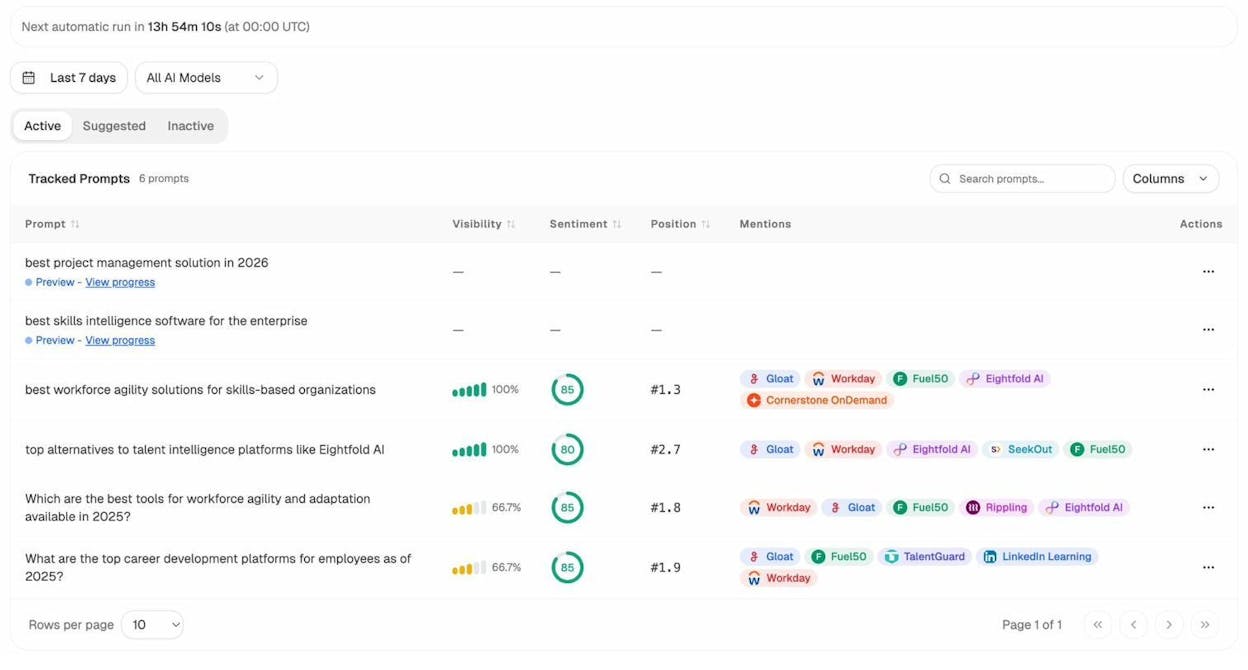
Treat each frequent prompt the way you would treat a high-volume keyword. Build a page that answers it directly. Use the language from the prompt in your H1 and intro. The same page often ranks in Google and gets cited in AI answers because both use the page’s clarity and authority as ranking signals.
3. Write pages that match search intent
Once you have your keyword and prompt list, every page you publish needs to do four things.
Match search intent. Look at the top three results for your target keyword. If they are blog posts, do not publish a service page. If they are service pages, do not publish a blog post. Google has decided what type of result satisfies the query, and your page needs to fit that pattern.
Demonstrate E-E-A-T. Law is a Your Money or Your Life topic, which means Google holds it to a higher standard for expertise, experience, authoritativeness, and trustworthiness. Every page needs an author byline that links to a real bio. The bio needs the lawyer’s bar admissions, education, years of practice, and notable cases. Add credentials, awards, and any expert witness or speaking history.
Be more useful than the top results. Read the top five ranking pages. Note what they say, what they leave out, and where they get vague. Your page needs to answer every question they answer, plus the questions they do not. Detail is what gets you cited. Vague generalities get you ignored.
Cover the on-page basics.
|
Element |
Rule |
|---|---|
|
Title tag |
Includes your target keyword, fits in 60 characters, sounds natural |
|
Meta description |
Compelling, accurate, fits in 160 characters |
|
URL |
Short and descriptive, e.g. /practice-areas/personal-injury/motorcycle-accidents |
|
H1 |
One per page, contains the target keyword |
|
Internal links |
At least three relevant links to other pages on your site |
|
Image alt text |
Describes the image in plain English |
|
Schema markup |
LegalService schema on practice area pages, Person schema on lawyer bios |
For more on getting these right, see our guide on internal linking for SEO and how to use keywords in SEO.
4. Build authority with backlinks and citations
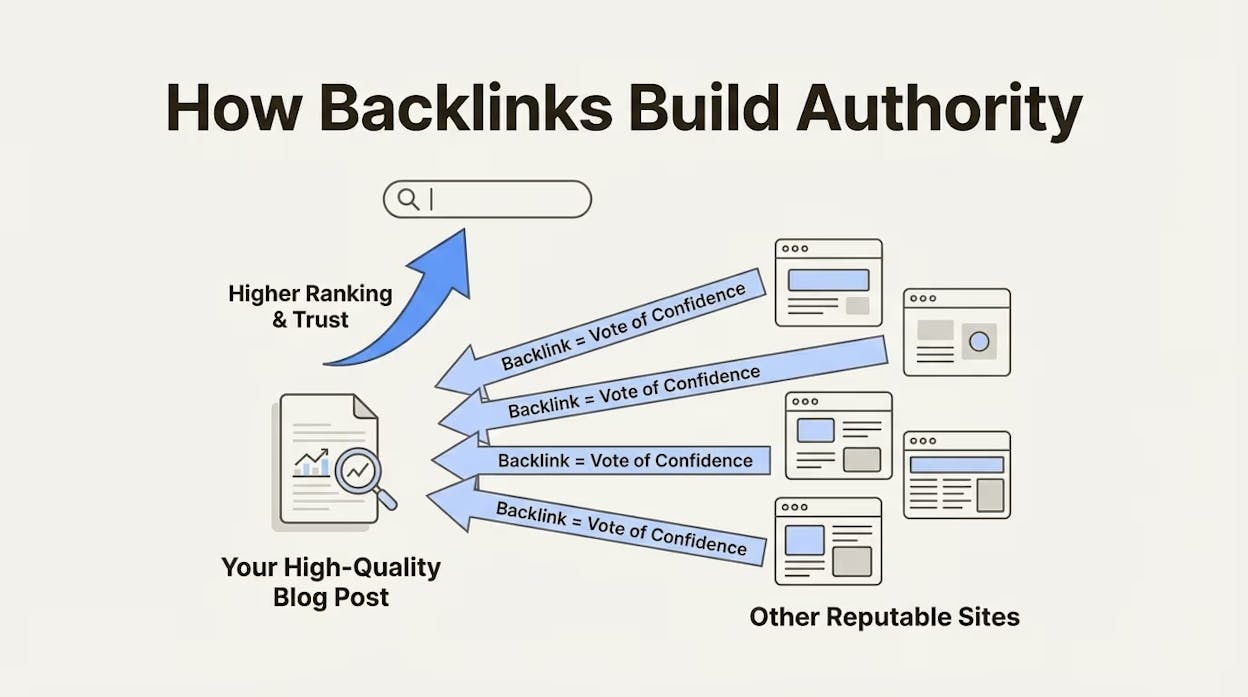
Backlinks are the strongest off-page ranking signal in Google and one of the strongest predictors of whether AI engines cite your firm. The four tactics below are the ones we see working for law firms.
Use HARO and journalist requests
Reporters need expert quotes for legal stories every day. Sign up for Qwoted, Help a B2B Writer, and Featured, then watch for requests in your practice area. Reply within an hour with a sharp, quotable answer. A single placement in a national outlet often earns you a follow link from a domain that takes years to acquire any other way.### Issue press releases for real news
A new partner, a notable case, a class action filing, or a published statement on a current event are all reasons to send a press release. The link from the wire alone is low value. The pickups by local and trade publications are where the real authority comes from. Skip press releases for routine announcements. Reporters ignore them and you waste budget.
Pitch guest contributions to legal trade publications
Above the Law, Law360, JD Supra, ABA Journal, and your state bar magazine all accept contributions from practicing lawyers. A bylined article on one of these sites is worth more than 50 directory submissions. Pitch a specific, contrarian angle, not a generic overview.
Sponsor local events, charities, and youth sports
Local sponsorships earn links from local domains, which is exactly the signal Google’s local algorithm wants. A youth sports league sponsorship is rarely competitive and usually returns a link from a domain no national firm has. Pro bono work for local nonprofits often earns the same kind of link, plus media coverage.
For more, see our guide on off-page SEO and our list of link building tools. To audit your existing backlinks, the website authority checker is a free starting point.
Track which backlinks turn into AI citations
A backlink that earns you a Google ranking does not always earn you an AI citation, and the reverse is also true. Inside Analyze AI, the Citation Analytics dashboard shows which domains the AI engines pull from when answering prompts in your practice area.
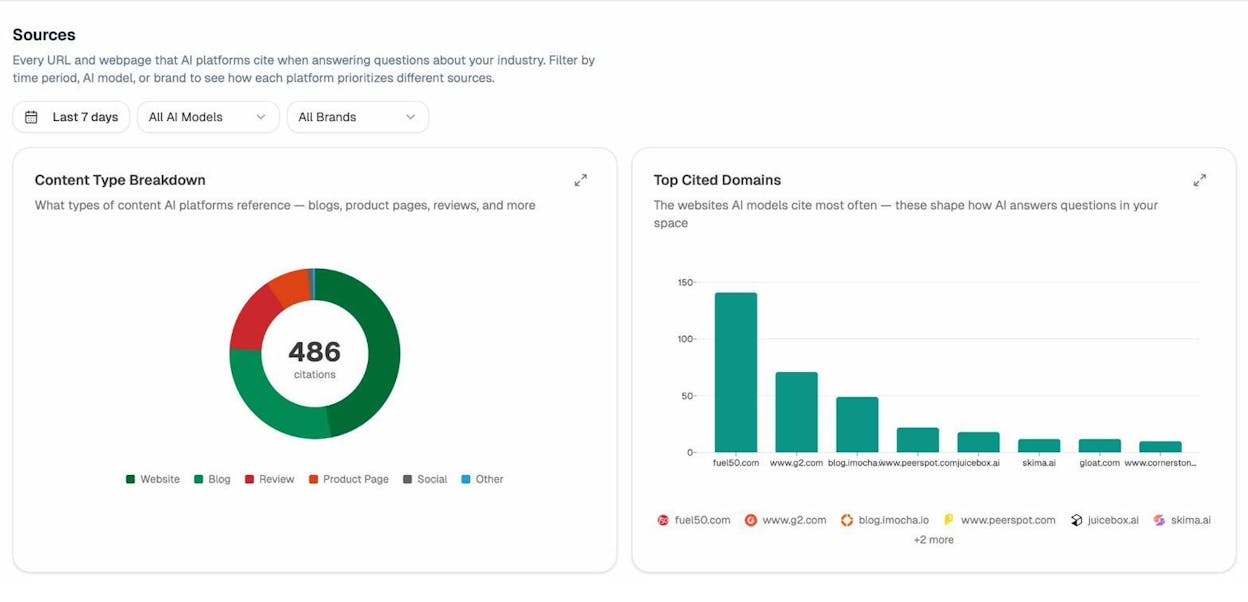
If a domain is cited often by ChatGPT for “best personal injury lawyer Chicago” but is not on your backlink list, that is a high-priority outreach target.
5. Stay visible in AI search
The work above lays the foundation. Staying visible inside ChatGPT, Perplexity, Gemini, and Claude is its own ongoing operation, because the engines update their answers constantly and your competitors are doing the same work.
Inside Analyze AI, you do this in five steps.
Track your visibility across every engine on one screen. The Overview dashboard shows your share of voice in ChatGPT, Perplexity, Gemini, and Claude over time, against your named competitors.
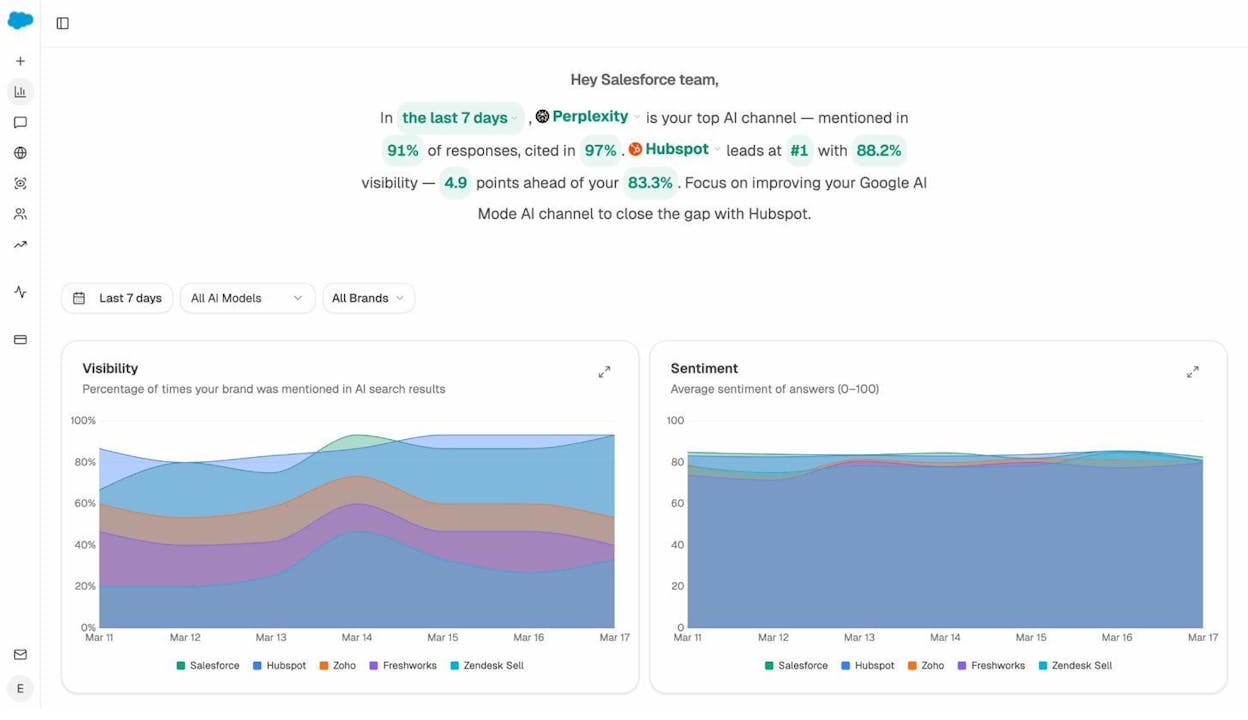
Discover where competitors win and you do not. The Competitor Intelligence dashboard lists the prompts where rival firms are mentioned and your firm is not. Each one is a content gap with a clear next step.
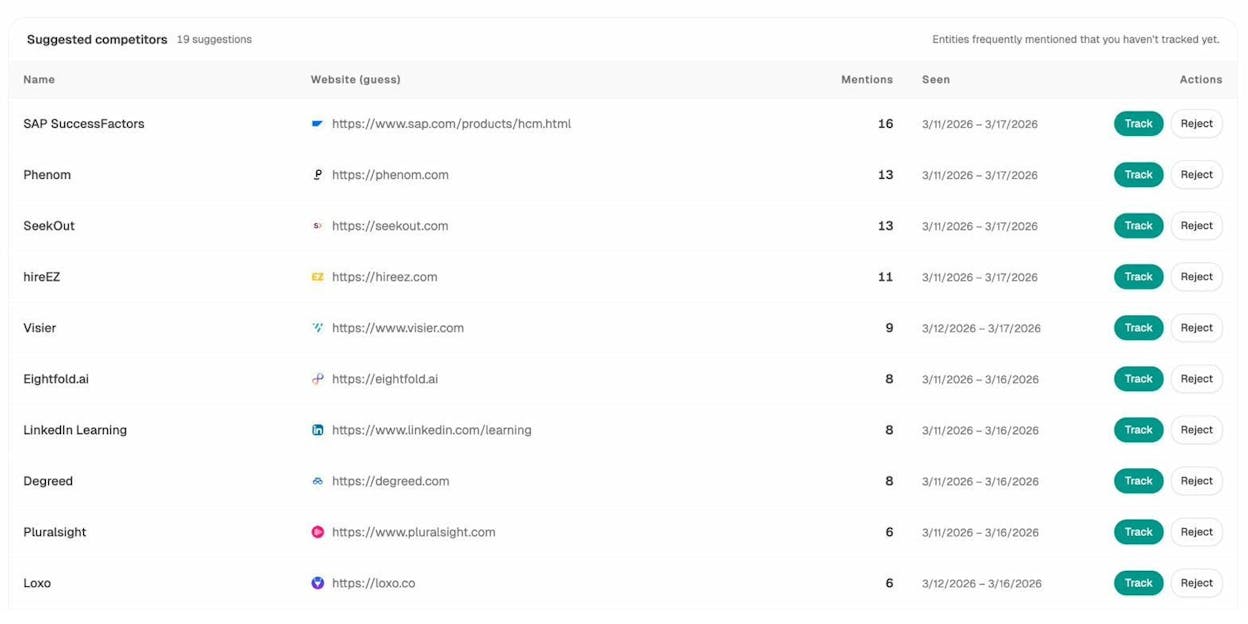
Monitor what AI says about your firm. The Perception Map shows the themes AI engines associate with your brand, which is critical for a law firm because trust language is the difference between a click and a pass.
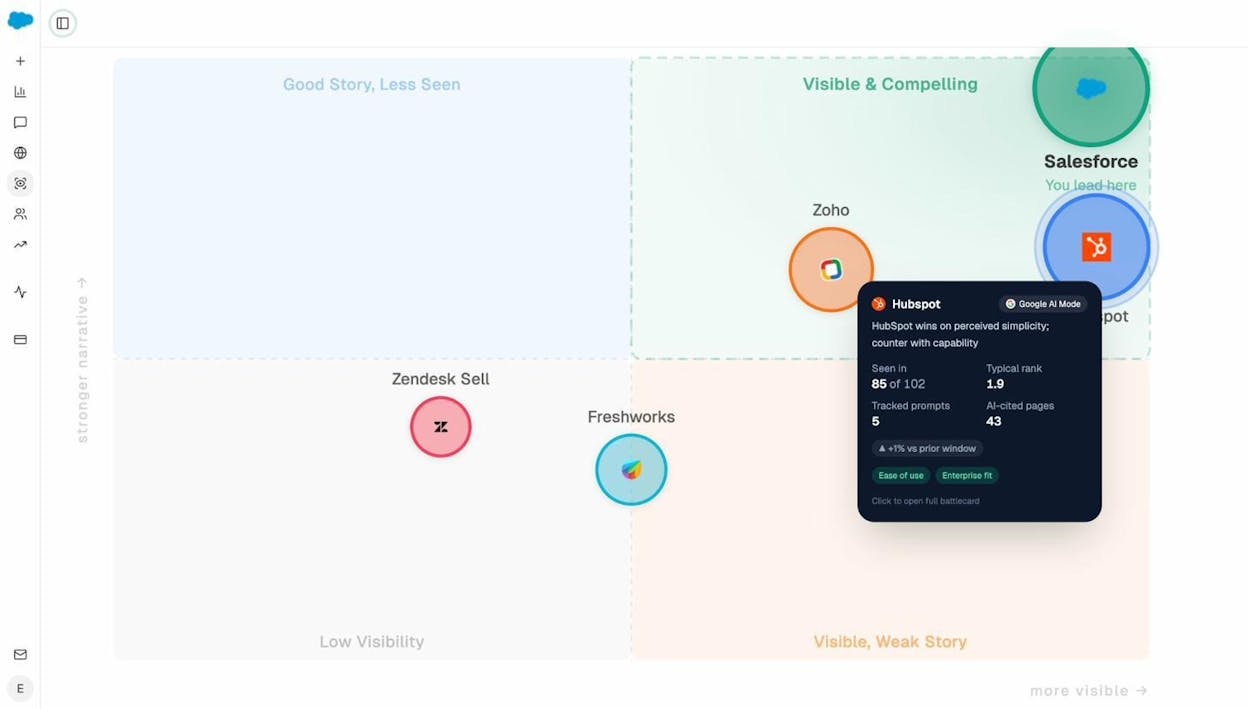
Track AI-referred traffic and the pages that earn it. The AI Traffic Analytics dashboard shows which of your pages are pulling in users from ChatGPT and Perplexity, and what those users do once they land.
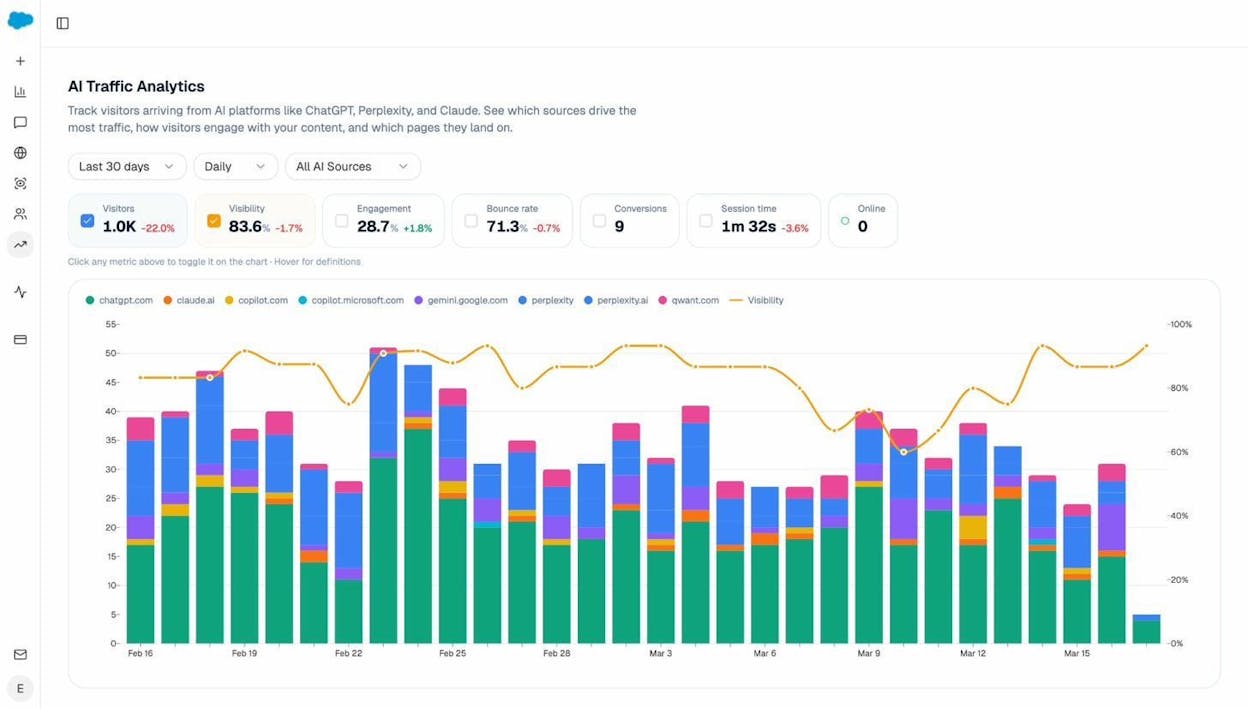
The pages that win in AI are the pattern. Find what they share and double down. If your “motorcycle accident lawyer” page pulls all your AI traffic, that is your signal to expand into “scooter accident lawyer”, “e-bike accident lawyer”, and “rideshare accident lawyer” pages built the same way.
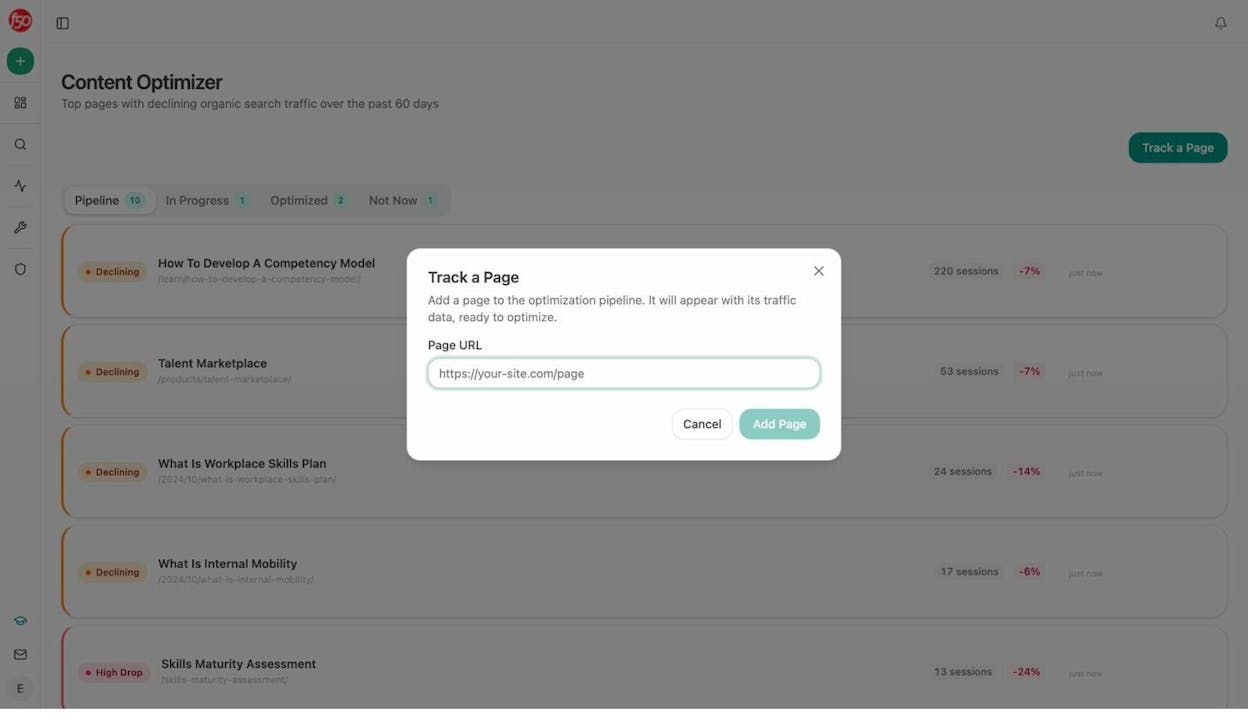
Rewrite weak pages with the gaps the AI engines flag. The Content Optimizer compares your page against the prompts you want to rank for and tells you exactly what is missing.
For deeper reading, our guides on how to rank on ChatGPT and how to rank on Perplexity cover the tactics, both backed by 65,000 citation data points.
6. Keep your site technically healthy
Technical SEO is the work that keeps Google able to crawl, render, and index your pages. For most law firm sites, the issues are predictable. Slow page load on mobile, broken internal links, thin pages that should be merged, and missing schema.
Run a free audit at our broken link checker and fix anything in red. Then check your Core Web Vitals in Google Search Console. Anything in the “Poor” bucket is a priority.
Once you fix the existing issues, technical SEO becomes a maintenance task. A monthly check is enough for most firms.
7. Track progress against the metrics that matter
The metrics that matter are leads, signed retainers, and case value, not impressions or rankings.
Set up the basics:
-
Google Search Console for keyword rankings and impressions
-
Google Analytics 4 with conversions configured for form submits and phone clicks
-
Call tracking with a tool like CallRail to attribute phone calls to the page that drove them
-
A weekly check on your local pack ranking from a third-party local rank tracker
-
Analyze AI for AI search visibility, with Weekly Email Digests so the data lands in your inbox without you having to log in
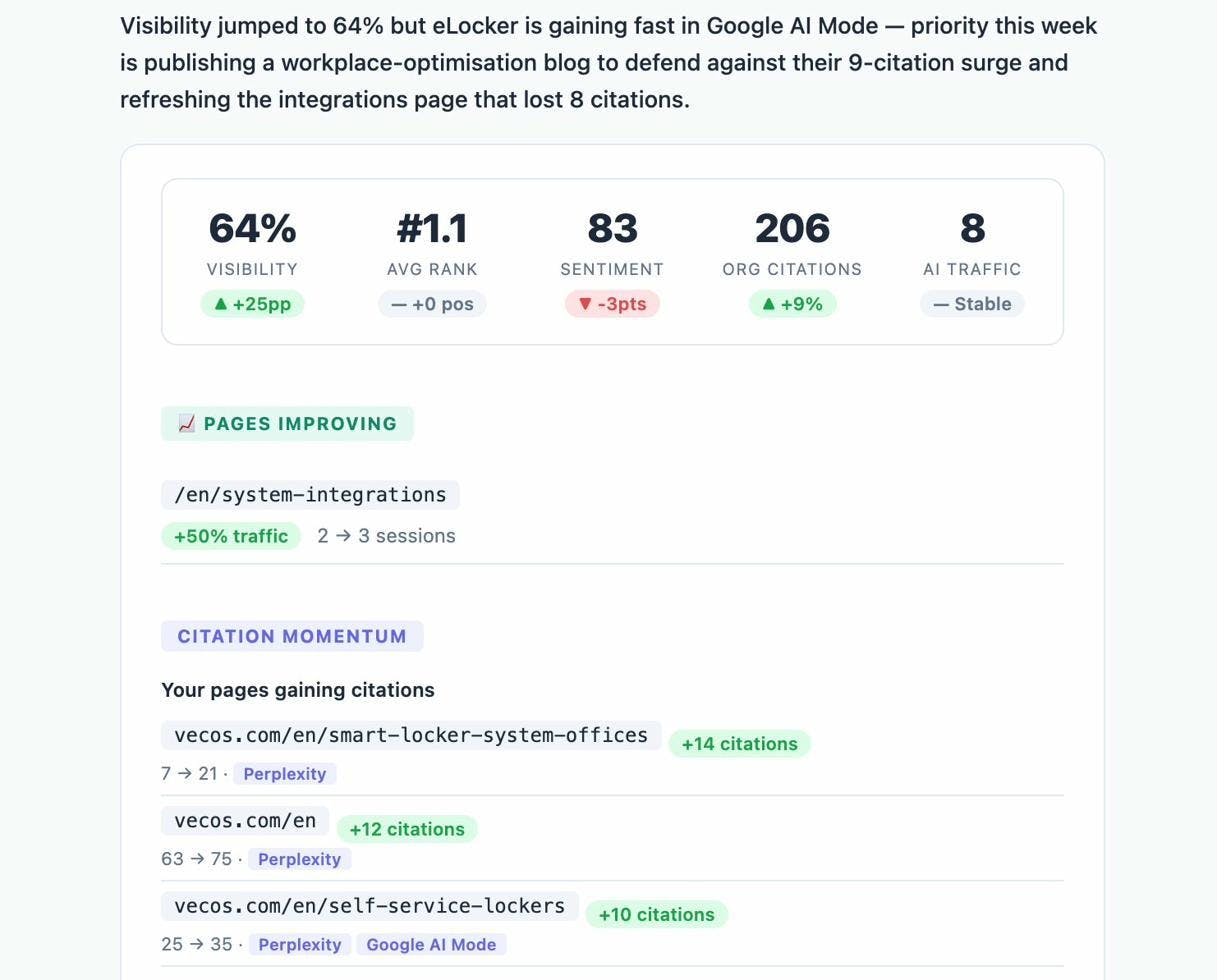
Then, on intake calls, ask every new client how they found you. Bucket the answers into Google search, Google map, AI tool, referral, and other. Match those answers against your data. Over six months, the pattern tells you which channel is paying for itself.
For more, our guides on SEO competitor analysis and SEO reporting tools cover the reporting setup.
Final thoughts
The hardest part of SEO for a law firm is the first six months, when you are building pages and earning links faster than Google rewards them. Most firms quit during that window. The ones who keep going compound their results for years.
The same is true for AI search, with one difference. The AI engines are still settling into their citation patterns. The firms putting clear, specific, well-cited content out now are being learned as the default answer. That window is open, and it does not stay open forever.
Pick three things from this guide. Do them this month. Then come back and pick three more.

Ernest

Ibrahim


