



Summarize this blog post with:


Boomi has been a reliable enterprise iPaaS for a long time. But the automation landscape has changed. Teams now want platforms that do more than move data between systems. They want tools that can reason through tasks, generate content, enrich leads, and run entire operational workflows using AI.
If you’re evaluating Boomi alternatives, the real question is not “which tool has the most connectors.” It is “which tool matches the complexity I actually need, and can it do something useful with AI?”
In this article, you’ll get an honest breakdown of eight Boomi alternatives worth evaluating in 2026. You’ll see what each tool does well, where it falls short, what pricing actually looks like, and which one fits your team depending on whether you need enterprise integration, AI-native automation, or a platform that handles SEO, content, and AI search visibility alongside your workflows.
Table of Contents
What to Look for in a Boomi Alternative
Every platform on this list claims to be AI-powered. Most of them bolt AI onto an existing integration framework. A few are built around AI from the ground up. That distinction matters more than feature counts.
Does it match your actual complexity? Boomi is an enterprise iPaaS. Some teams need that depth. Others just need a workflow builder that connects their SaaS stack and runs AI steps without a six-week implementation cycle.
Is AI native or bolted on? The best alternatives today let you plug LLMs, AI search data, and intelligent decision logic directly into your workflows. Not as an add-on. As the foundation.
How fast can you get something running? Some tools on this list can get you a production-ready workflow in hours. That speed difference matters.
How does it handle errors? Good error handling, clear logging, and easy debugging separate tools you trust in production from tools you babysit.
Can it integrate with your existing stack? Whether you run Salesforce, HubSpot, GA4, Google Search Console, Slack, or internal tools, the platform needs to connect with what you already use. The number of integrations matters, but so does how deep those integrations go.
What does pricing look like at scale? Many tools look affordable on the pricing page. Costs creep up once you add premium connectors, higher task volumes, or enterprise features. Pay attention to how pricing scales, not just where it starts.
8 Boomi Alternatives and Competitors in 2026
-
Analyze AI
-
StackAI
-
MuleSoft
-
SnapLogic
-
Celigo
-
Workato
-
Zapier
-
Microsoft Power Automate
1. Analyze AI
-
Best for: Marketing, content, SEO, and GTM teams that want agentic workflows wired to their search, AI visibility, and content data
-
Pricing: Free trial available, then starts at $69/month
-
What I like: The agent builder is not just an automation layer. It is a programmable substrate with 180+ nodes, 34 pre-built data recipes, and integrations with GA4, GSC, HubSpot, Semrush, DataForSEO, and every major LLM
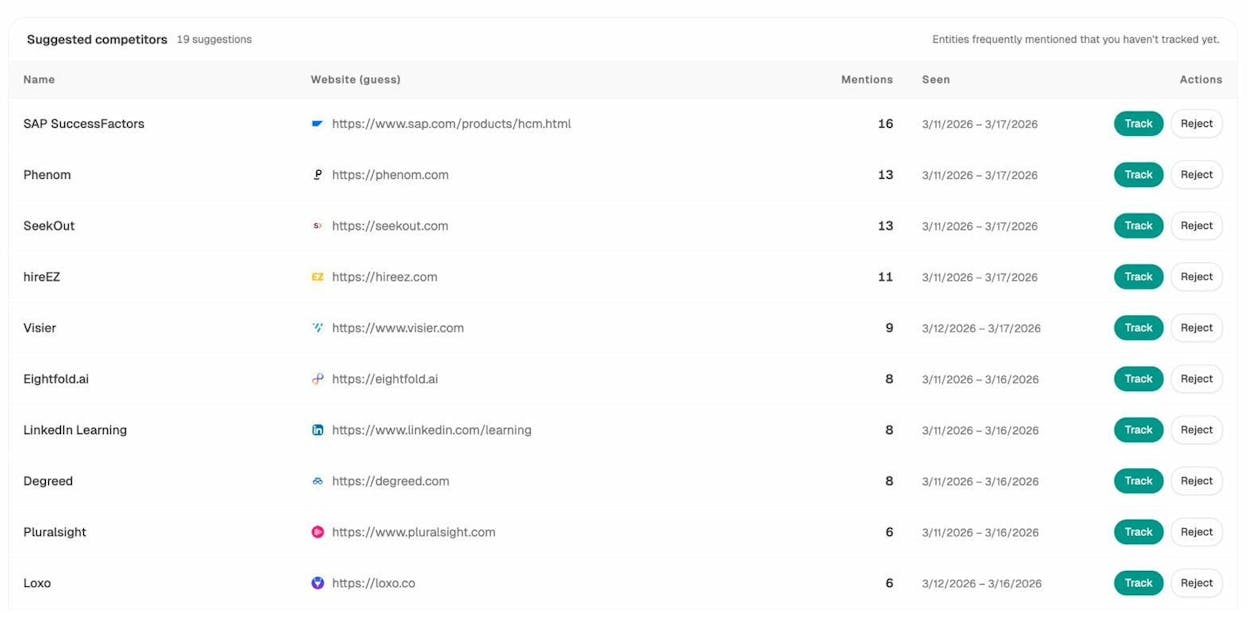
Analyze AI is an agentic platform for SEO, AEO, content, and GTM operations. You can build automated workflows and AI agents using a visual canvas with 180+ nodes, 34 pre-built data recipes, and three trigger modes (manual, scheduled, and webhook). The platform connects to GA4, Google Search Console, HubSpot, Semrush, DataForSEO, Slack, WordPress, Notion, Mailchimp, and every major LLM including Claude, GPT, Gemini, and Perplexity.
What makes it a genuinely different Boomi alternative is that the automation substrate sits on top of data your team already cares about. Your AI visibility scores, your citation analytics, your GSC performance data, your brand vault with tone and messaging rules. You do not need an “integration pass” to wire these into a workflow. The data is already in the room.
For example, you can build a content refresh agent that runs every Monday. It pulls your declining pages from GA4, cross-references them with citation data from AI search engines, rewrites each page for freshness and AEO readiness using your brand voice rules, and publishes the updates to WordPress. No human intervention. No copying and pasting between tools.
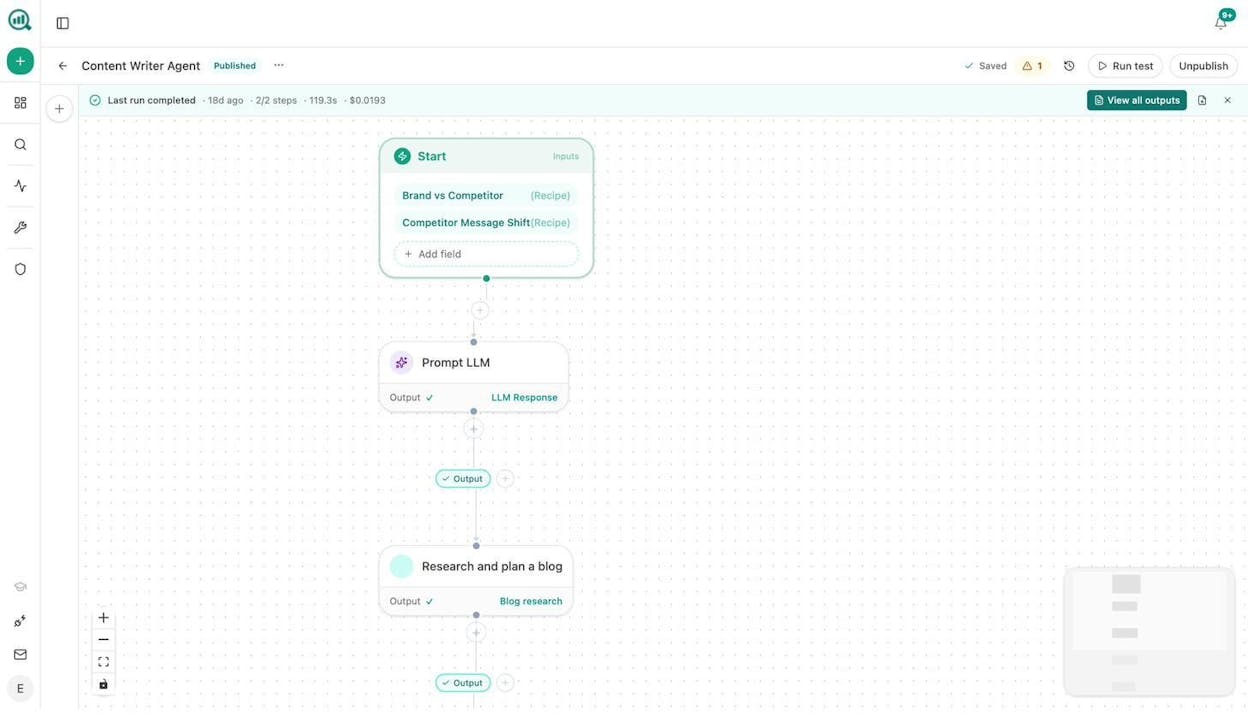
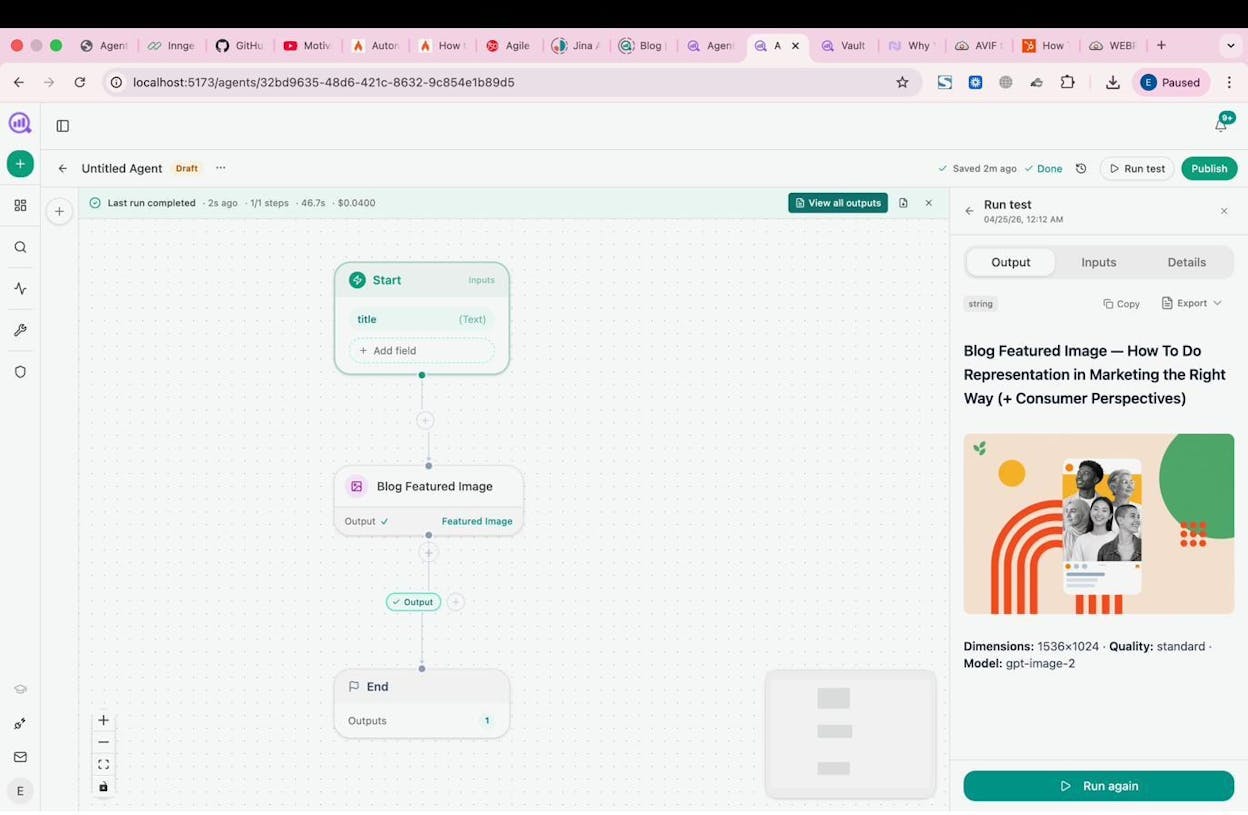
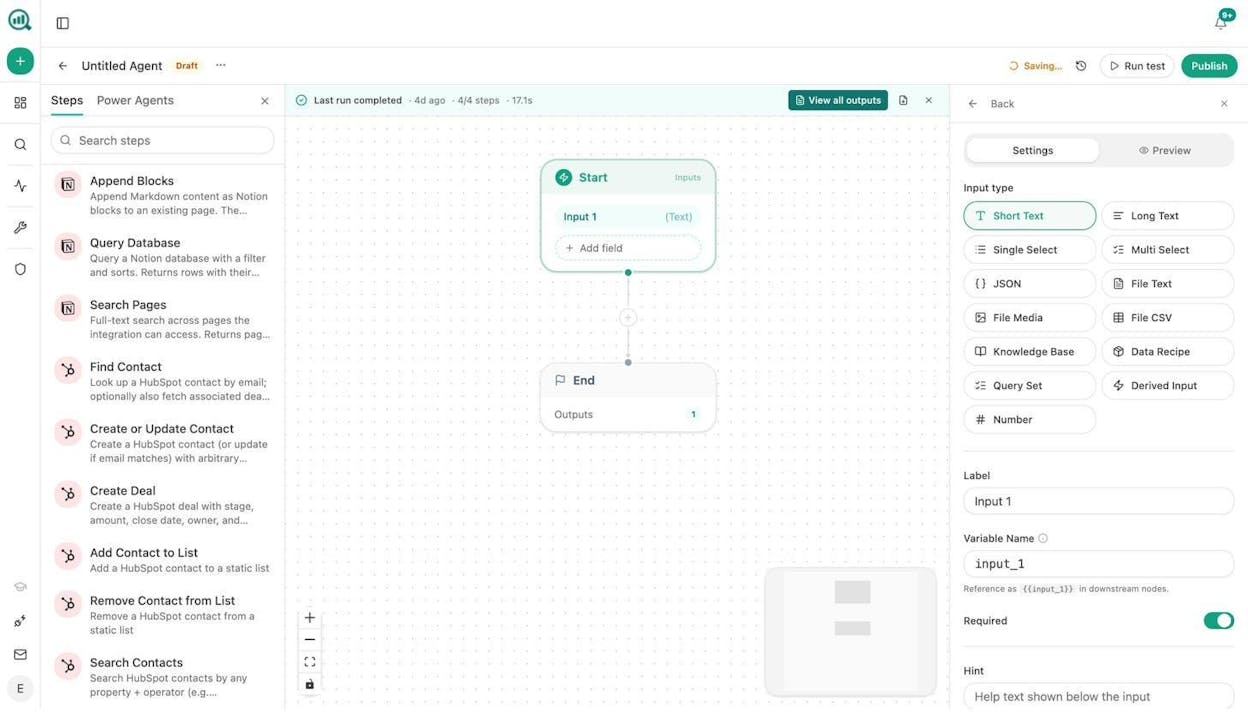
The Agent Builder is where the real leverage lives. It is not a simple if-this-then-that tool. You get nodes for DataForSEO keyword research, Semrush domain analysis, GA4 traffic data, GSC keyword performance, Hunter.io email enrichment, Tomba author finding, on-page SEO audits, Lighthouse performance checks, image generation, and more. The 34 data recipes alone cover competitive intelligence (share-of-voice, competitor gaps, rising threats), content performance (declining pages, citation magnets, uncited pages), AI perception (sentiment alerts, model blind spots), optimization pipelines, and content creation workflows.
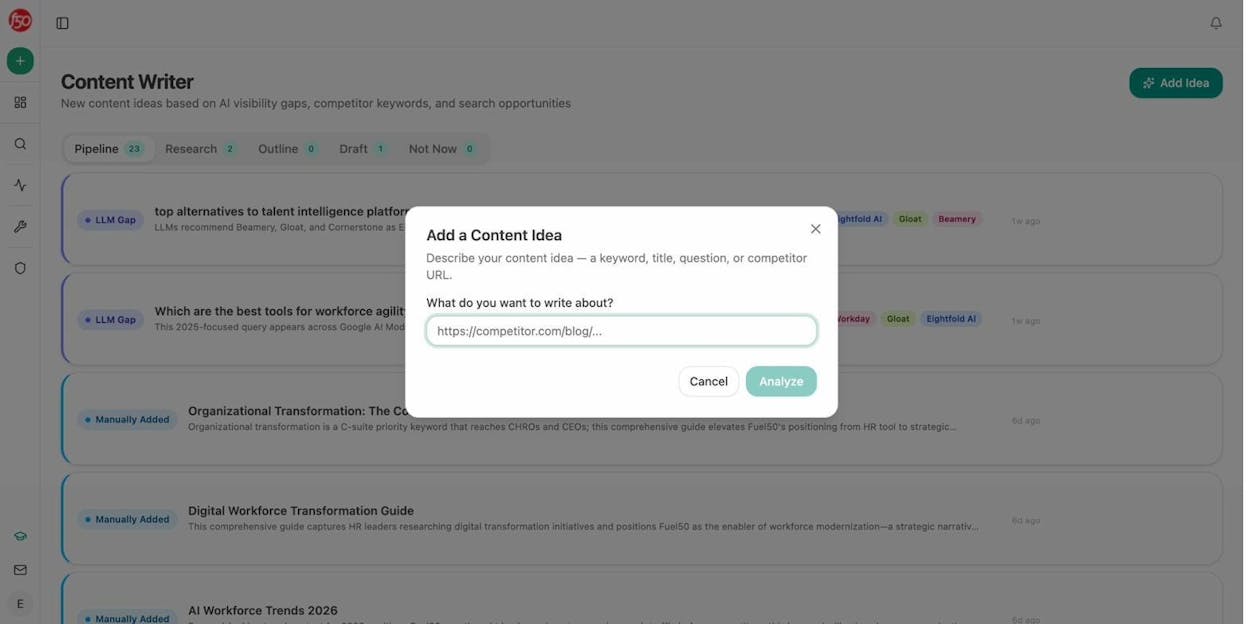
Beyond agents, Analyze AI includes a full Content Writer that runs a multi-step pipeline (research, outline, draft) with brand voice injection at every stage. The Content Optimizer audits existing pages for AEO readiness and scores structure, freshness, claim density, and proof integration. Both produce stronger outputs than most standalone AI writing tools because they pull from your actual search data and brand context rather than generating in a vacuum.
The platform also tracks your brand visibility across ChatGPT, Claude, Perplexity, and Gemini. You can see which prompts mention your brand, where competitors outrank you, which pages get cited, and how sentiment varies across AI engines. This is the part most marketing automation tools cannot touch.
What works well:
-
The 180+ node agent builder with GA4, GSC, HubSpot, Semrush, DataForSEO, and LLM integrations makes billions of workflow combinations possible. You can build anything from a daily visibility alert to a full brief-to-publish content pipeline.
-
Scheduled and webhook triggers turn agents into always-on operators. A content refresh agent runs every Monday morning. A lead enrichment agent fires when a HubSpot deal closes. The lag from event to action drops from days to seconds.
-
The Content Writer and Content Optimizer produce better outputs than most tools because they use your brand vault, search data, and AEO scoring at every step.
-
AI Traffic Analytics shows the full path from AI answer to landing page to conversion, not just a visibility percentage.
-
Free trial available with no credit card required.
Where it could be better:
-
If you need deep EDI, B2B file exchange, or heavy ERP-to-ERP plumbing, Boomi is still the stronger choice. Analyze AI is built for marketing, content, and GTM operations rather than traditional enterprise data integration.
-
The platform is newer than legacy iPaaS tools, so the community and third-party documentation are still growing.
If you run a marketing, content, or GTM operation and want an agent builder pre-wired to your SEO, AI search, and content data, Analyze AI is where you should start.
2. StackAI
-
Best for: Enterprise teams in regulated industries building AI-native document workflows
-
Pricing: Free tier available (500 runs/month), then custom enterprise pricing
-
What I like: Clean UI and strong document intelligence capabilities
StackAI is an enterprise AI agent platform built for governed industries like finance, healthcare, insurance, and government. It focuses on AI-native use cases like document intelligence, RAG pipelines, RFP drafting, ticket triage, and internal knowledge workflows.
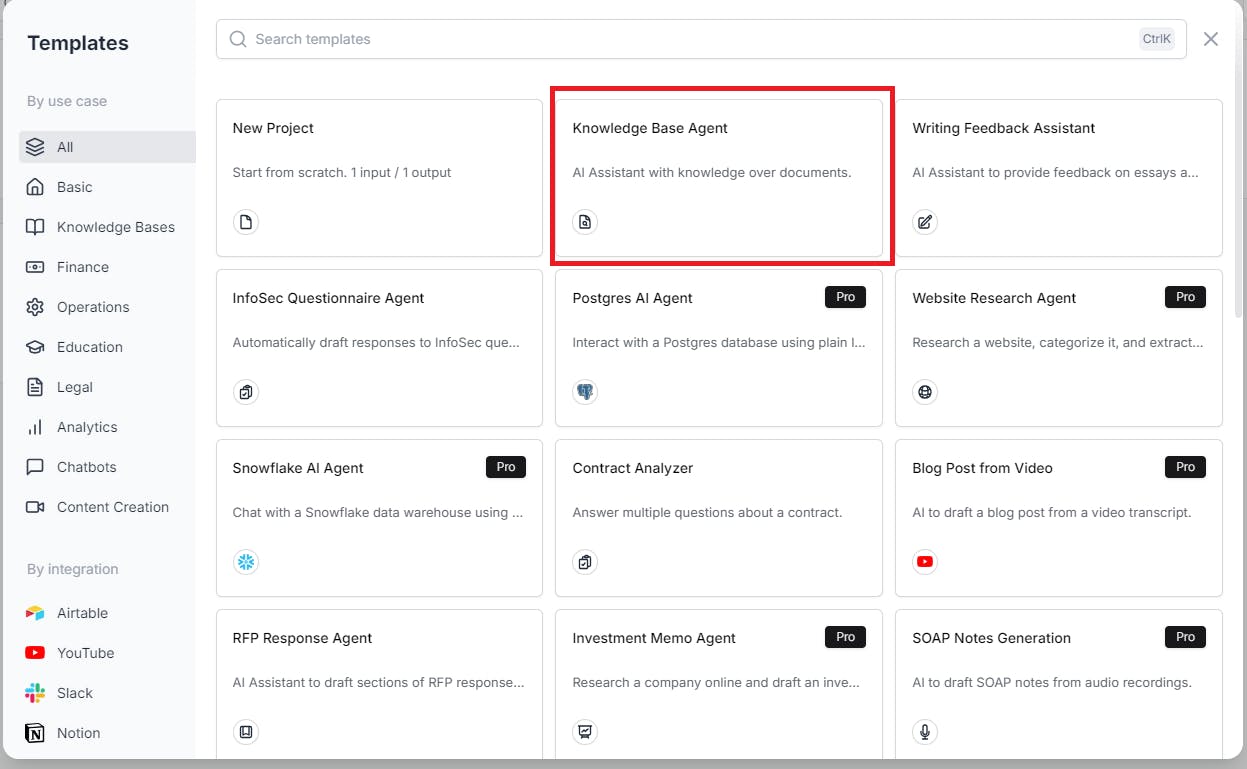
The enterprise governance layer is strong, with SOC 2, HIPAA, GDPR, and ISO 27001 positioning, plus role-based access control, audit logs, and on-premise deployment options. If you are in a regulated environment where compliance is non-negotiable, StackAI feels like it was designed with that constraint from the start.
What works well:
-
One of the cleanest UIs across any platform on this list
-
Document intelligence goes beyond basic search and actually uses retrieved files as context for generating new outputs
-
Strong compliance positioning for regulated industries
-
On-premise deployment options for organizations that cannot use cloud
Where it could be better:
-
Pricing is unclear until you talk to sales. If you want transparent self-serve pricing, you will need to look elsewhere
-
Not built for traditional system-to-system data orchestration
-
If you need SEO automation, content workflows, or AI search visibility, StackAI does not cover those use cases
3. MuleSoft
-
Best for: Large enterprises building API-first integration architectures
-
Pricing: 30-day free trial, then custom pricing (contact sales)
-
What I like: Deep API lifecycle management and governance
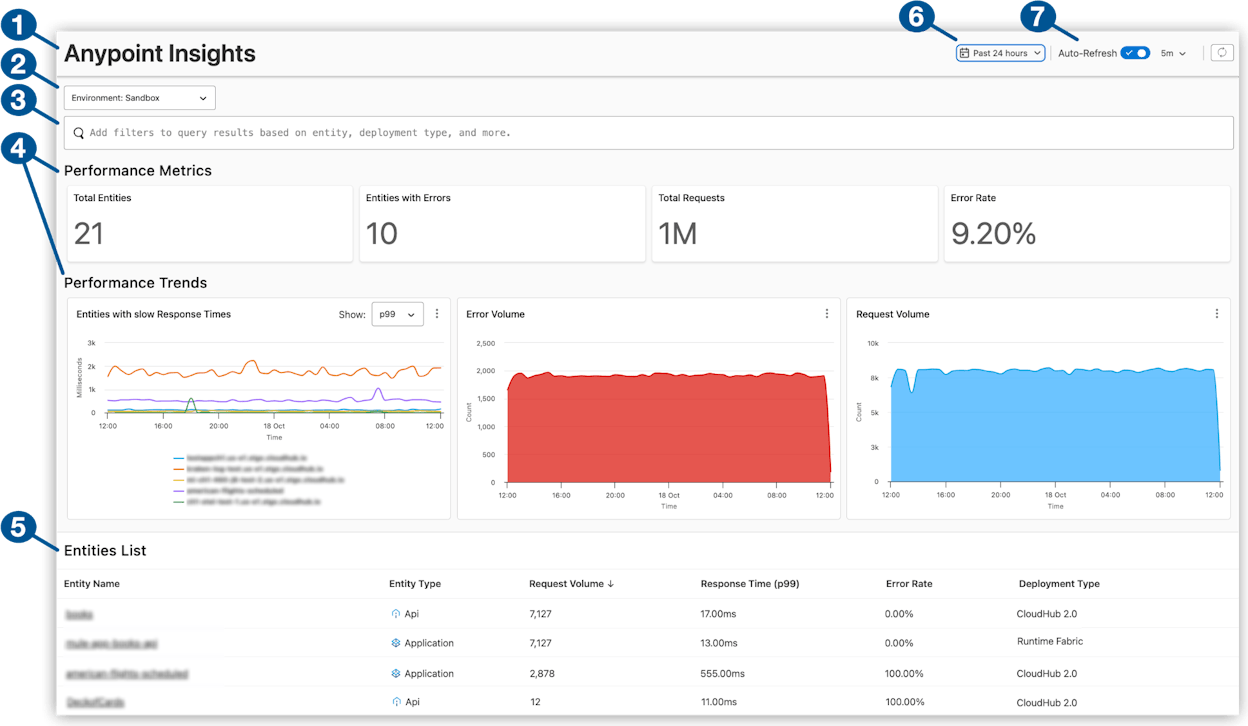
MuleSoft is an enterprise integration and API management platform owned by Salesforce. Instead of just connecting tools together, you build reusable APIs that multiple teams across your organization can consume. It is the kind of platform where you are building an integration architecture, not just automating a workflow.
MuleSoft is a “months, not days” platform for most teams. It needs planning, technical expertise, and hands-on implementation work before anyone feels productive.
What works well:
-
The API-led connectivity model is powerful if you have the team to support it
-
Deep governance, hybrid deployment options, and enterprise-grade security
-
Tight Salesforce integration
-
Recognized as a Leader in the Gartner Magic Quadrant for iPaaS
Where it could be better:
-
Total cost goes well beyond the subscription once you factor in implementation, training, and developer time
-
Steep learning curve and long time-to-value
-
If you are a lean team that wants to automate workflows fast, this is probably not where to start
4. SnapLogic
-
Best for: Data-heavy enterprise teams that need fast pipeline building with AI-assisted development
-
Pricing: Custom pricing (contact sales), available on AWS, Azure, and Google marketplaces
-
What I like: SnapGPT and AutoPrep are genuinely useful AI features
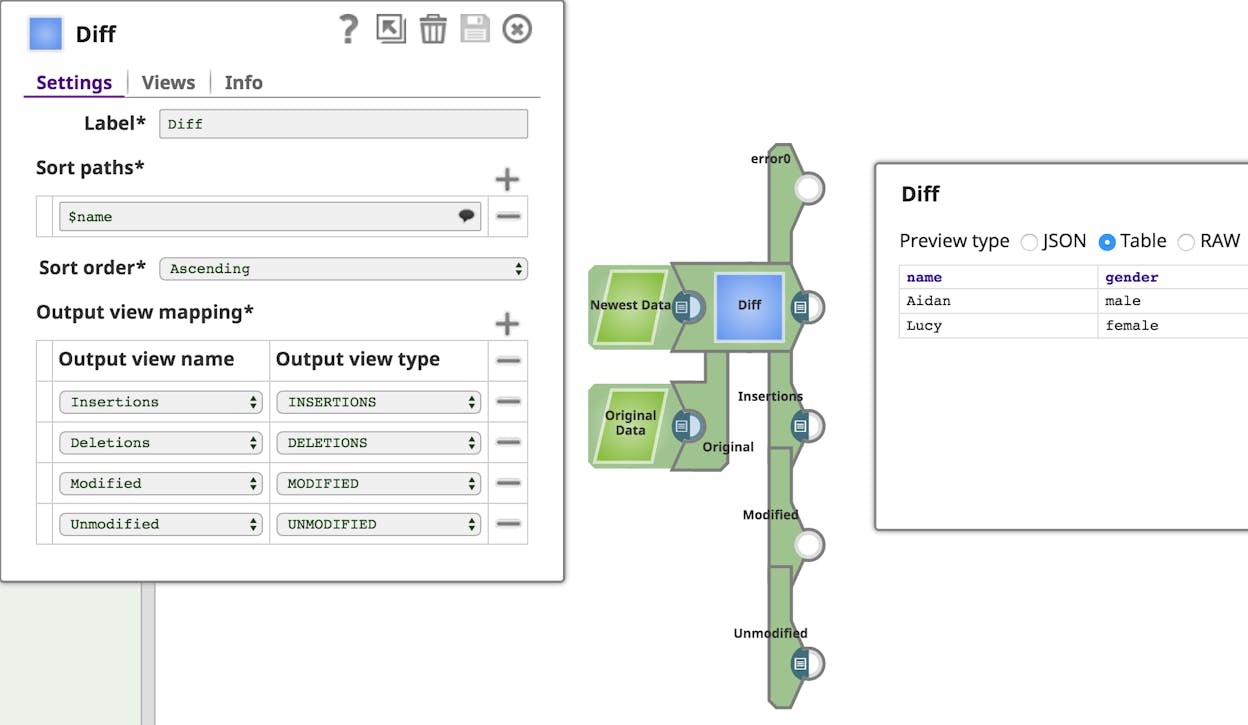
SnapLogic covers data integration, application integration, API management, and AI agent building under one roof. It has more of a data-engineering feel than Boomi.
SnapGPT is their integration copilot that generates expressions, SQL, and pipeline skeletons from a prompt. AutoPrep handles data prep like null removal, date reformatting, and PII masking. Companies like Adobe and Schneider Electric use it.
What works well:
-
SnapGPT and AutoPrep speed up tedious pipeline-building tasks without feeling gimmicky
-
Unlimited data movement on all plans means no volume-based pricing surprises
-
Strong for real-time data integration and ETL/ELT workloads
Where it could be better:
-
Pricing requires a sales conversation with no self-serve options
-
Complex orchestration and hybrid deployments still need a proper data engineer
-
If your needs center on content, SEO, or AI search optimization, this is not the right fit
5. Celigo
-
Best for: Mid-market and NetSuite-heavy businesses that want production-grade automation
-
Pricing: 30-day free trial, then custom pricing based on endpoints and flows
-
What I like: AI-powered error resolution and pre-built NetSuite/ecommerce integration apps
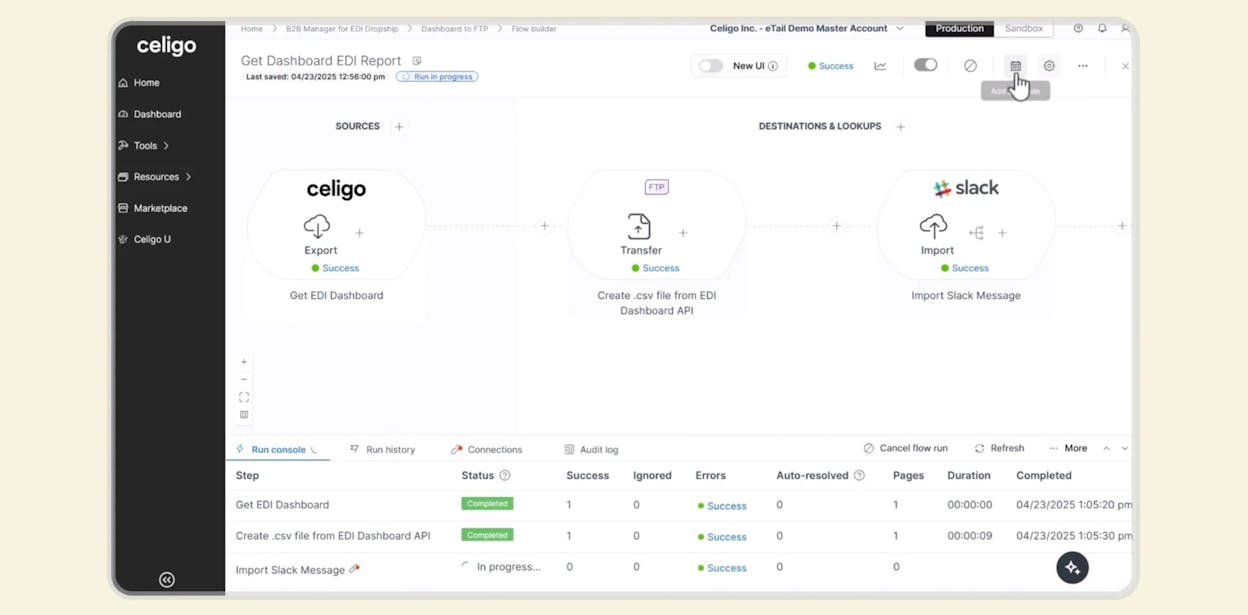
Celigo hits a useful middle ground between lighter tools and heavier enterprise platforms. Companies like PayPal, Michelin, and Toshiba use it, and it has been ranked the number one iPaaS on G2 for eight consecutive quarters.
It stands out in NetSuite ecosystems, ecommerce, and logistics flows with purpose-built integration apps for things like Shopify-to-NetSuite and Amazon-to-NetSuite. The AI-powered error resolution classifies errors, surfaces human-readable labels, and in many cases auto-resolves issues without you touching anything.
What works well:
-
Pre-built NetSuite and ecommerce integrations that are production-ready out of the box
-
AI error management that classifies, auto-retries, and auto-resolves most issues
-
Flat-rate pricing based on endpoints and flows rather than transaction volume
Where it could be better:
-
Costs creep up with premium connectors for NetSuite, SAP, or Oracle (several hundred to low thousands per month per connector)
-
Custom-quote pricing means you will not know exact costs until you talk to sales
-
If you do not live in a NetSuite or ecommerce ecosystem, you lose what makes Celigo special
6. Workato
-
Best for: Cross-department SaaS workflow automation with AI-assisted recipe building
-
Pricing: Custom pricing (contact sales)
-
What I like: RecipeIQ and AIRO let you describe what you want in plain language and get a working recipe blueprint
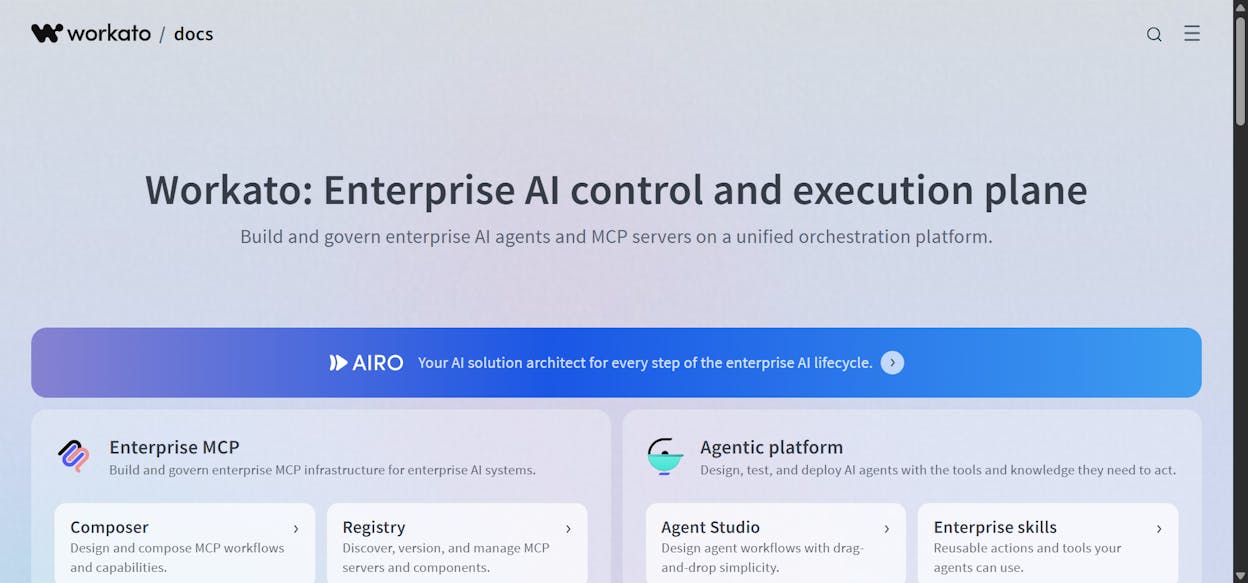
Workato is an enterprise automation platform with a clean, recipe-driven canvas and pre-built connectors for common SaaS stacks like Salesforce, Slack, Zendesk, Workday, and NetSuite.
RecipeIQ and AIRO let you describe what you want in natural language and generate a working recipe with suggested connectors, steps, and data mappings.
What works well:
-
The recipe-driven canvas is intuitive and gets you from zero to a working automation fast
-
AI features like RecipeIQ and AIRO help you build workflows rather than just being bolted on for the marketing page
-
Great for cross-department use cases across sales, marketing, support, and HR teams
-
Strong connector library with pre-built templates
Where it could be better:
-
Complex, multi-step, high-volume recipes can drive up task counts and costs quickly
-
EDI, B2B, and deep MDM support feel more bolt-on compared to Boomi
-
Not all connectors are fully supported, which can bite you in larger enterprise environments
7. Zapier
-
Best for: Fast, no-code SaaS-to-SaaS automation for simple, high-volume workflows
-
Pricing: Free plan available, then starts at $29.99/month
-
What I like: Massive app library (7,000+) and battle-tested reliability
Zapier is not really a direct Boomi alternative. It is a light-end automation layer on top of your stack. But for SaaS-to-SaaS automation where you want fast, no-code, and do not need deep orchestration, it is still the tool many teams reach for first.
The deeper limitation is that Zapier has a light orchestration ceiling. It does not give you true multi-step error handling, deep data mapping, robust retry logic, or audit-grade visibility.
What works well:
-
The largest app library of any automation tool on this list with over 7,000 integrations
-
Battle-tested and reliable
-
The free plan includes Tables, Forms, and Zapier MCP
-
Fastest path from idea to running automation for simple use cases
Where it could be better:
-
Task-based pricing gets expensive fast with multi-step workflows at volume
-
No real enterprise-grade orchestration, error handling, or audit visibility
-
Not designed for EDI, B2B integration, or anything that needs governance and compliance controls
Zapier pricing:
|
Plan |
Price |
Key limits |
|---|---|---|
|
Free |
$0/month |
100 tasks/month, two-step Zaps |
|
Professional |
$29.99/month |
Multi-step Zaps, unlimited premium apps |
|
Team |
$103.50/month |
25 users, shared Zaps, SAML SSO |
|
Enterprise |
Custom |
Unlimited users, VPC peering, advanced admin |
8. Microsoft Power Automate
-
Best for: Teams deep in the Microsoft ecosystem that want to automate approvals, notifications, and RPA-style tasks
-
Pricing: Free 30-day trial, then starts at $15/user/month
-
What I like: AI Builder for low-code AI tasks and native integration with Microsoft 365, Teams, SharePoint, and Dynamics
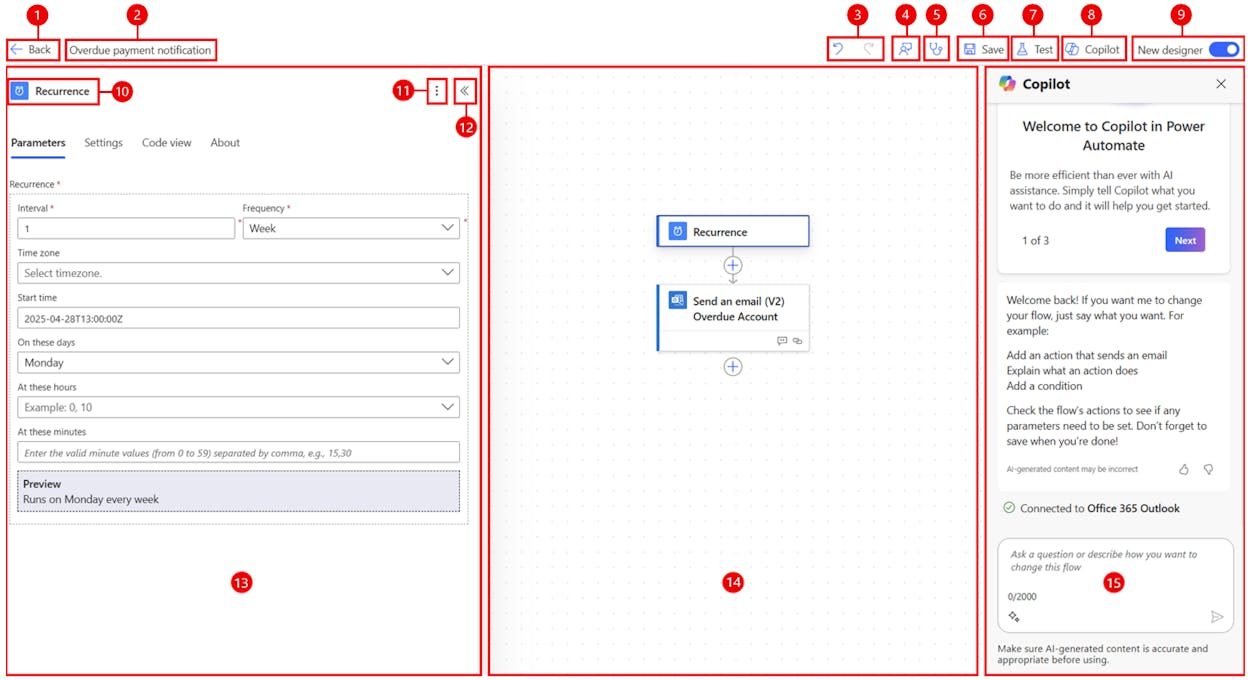
Power Automate covers cloud flows, desktop RPA, process mining, and AI-powered document processing. It connects to over 1,400 prebuilt connectors and sits natively inside the Microsoft ecosystem. If your company lives in Microsoft 365, Dynamics, SharePoint, or Teams, the plumbing is already done.
AI Builder adds low-code access to sentiment analysis, document processing, and basic predictions. But Power Automate is more of a workflow-adjacent automation layer than a full Boomi replacement.
What works well:
-
Native integration with the entire Microsoft ecosystem
-
AI Builder gives low-code access to document processing and sentiment analysis
-
RPA capabilities let you automate legacy desktop apps that do not have APIs
-
Named a Leader in the Gartner Magic Quadrant for RPA
Where it could be better:
-
Costs creep up fast with premium connectors, RPA licenses, and AI Builder credits on top of the base price
-
Not built for heavy data-hub, EDI, or multi-vendor integration scenarios
-
Leans heavily on the Microsoft ecosystem, so if your stack is not Microsoft-centric, you lose the native advantages
Power Automate pricing:
|
Plan |
Price |
What you get |
|---|---|---|
|
Premium |
$15/user/month |
Cloud flows, attended desktop flows, process mining |
|
Process |
$150/bot/month |
Unattended desktop flows, unlimited users |
|
Hosted Process |
$215/bot/month |
Everything in Process plus Microsoft-hosted VM |
Which Boomi Alternative Fits Your Team?
The right tool depends on where your team is right now. Not where you think you will be in two years.
If you need a full-stack enterprise integration platform with deep data synchronization, EDI, and governance, MuleSoft, SnapLogic, and Celigo are your closest comparisons to Boomi. They handle the heavy plumbing across legacy systems and complex data pipelines.
If your team is focused on speed and AI-native workflows across SaaS tools, Workato and Zapier are solid starting points for cross-department automation without months-long implementation cycles.
If you are deep in the Microsoft ecosystem, Power Automate is the natural fit for approvals, notifications, and RPA-style tasks across Microsoft 365.
If you are in a regulated industry and document intelligence is the core use case, StackAI is purpose-built for that environment.
And if your team runs marketing, content, SEO, or GTM operations and you want an agentic platform that is pre-wired to your search data, AI visibility metrics, content pipelines, and brand intelligence, Analyze AI is the one worth testing first. The 180+ node agent builder with GA4, GSC, HubSpot, Semrush, and DataForSEO integrations is not something you will find in any other tool on this list. And unlike most platforms where AI search visibility is an afterthought, Analyze AI was built for teams who understand that AI search is an additional organic channel alongside traditional SEO, not a replacement for it.
You can start a free trial and build your first agent without pulling out a credit card.

Ernest

Ibrahim


