



Summarize this blog post with:


In this article, you’ll learn which AEO and SEO trends actually matter in 2026, and which ones are noise vendors are using to sell panic. We will go through ten of the loudest claims in search marketing this year, look at the data behind each one, and decide whether you should follow the trend, ignore it, or treat it with caution.
Note: This post uses real data from Seer Interactive, Pew Research, Ahrefs, and our own dataset of 83,670 AI citations across ChatGPT, Claude, and Perplexity to make the call.
Let’s get into it.
Table of Contents
1. “SEO is dead”

Should you follow this hype? No.
Every other LinkedIn post will tell you AI Overviews killed Google and that traditional SEO is over. The data says the exact opposite.
A 2026 analysis from Dataslayer found that 92.36% of AI Overview citations come from domains ranking in Google’s top 10. SE Ranking separately reported that domain authority is the single strongest predictor of whether AI engines cite you, with high-authority domains earning roughly 3x more AI citations than low-authority ones.
In our own analysis of 83,670 AI citations, the same pattern held. The top 10 brands captured 30% of all AI mentions, and most of them were the same brands that already dominate Google’s first page in their category.
What this means in practice. Keep investing in the SEO fundamentals like keyword research, on-page optimization, technical SEO, and link building. They are the foundation AI engines use to decide who to cite. Then layer AI search on top as a separate but connected channel.
For a deeper take on how the two work together, read our breakdown of GEO vs SEO.
2. AI Overviews are reshaping organic CTR
Verdict: Fact.
This trend is real, and the data is now consistent across every major study published in 2025 and 2026.
Seer Interactive analyzed 5.47 million queries across 53 brands and found organic CTR on AI Overview queries dropped 61% year over year. Pew Research, with the most rigorous methodology of any study (real browsing data from 900 U.S. adults), confirmed only 8% of users clicked a traditional result when an AI summary appeared, compared to 15% without one.
|
Study (sample size) |
CTR drop when AI Overview appears |
|---|---|
|
Pew Research (68,000 queries) |
46.7% relative decline |
|
Ahrefs (300,000 keywords, position 1) |
34.5% |
|
Seer Interactive (5.47M queries) |
61% |
|
Authoritas (top organic link) |
79% |
Here is the part most “SEO is dead” articles leave out. Brands cited inside an AI Overview earn 35% more organic clicks and 91% more paid clicks than uncited brands on the same query, per Seer’s 2026 data. A single AI citation can drive more qualified traffic than ranking number three for the same query in classic results.
What to do. Track which queries trigger AI Overviews in your category, then check whether you are cited. If you are, double down. If you are not, identify the cited domains and study what they do differently.
You can monitor this directly with AI Visibility Tracking, or pull a one-off snapshot using our free SERP Checker.
3. Brand mentions are the new ranking
Verdict: Fact.
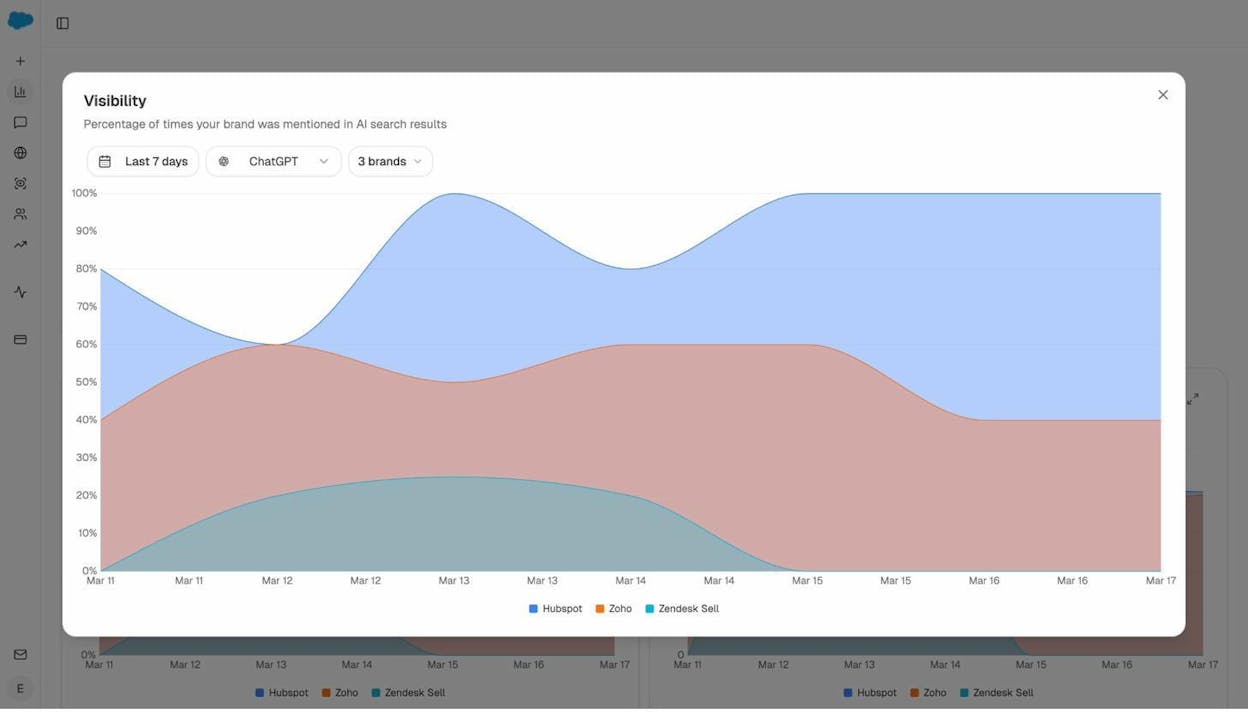
In classic SEO, the unit of measurement is rank. In AI search, the unit is mention. AI engines do not return ten blue links. They synthesize an answer that names two to seven brands, and your job is to be one of them.
This sounds simple but it changes how you measure. Sessions, impressions, and average position no longer tell the full story, because AI search drives conversions without sending a click. People read the AI answer, learn your brand, and search you directly later.
Our own data showed AI engines disagree on how they perceive the same brand by up to 79 points on a 100-point sentiment scale. The same brand can be the hero on Perplexity and the villain on ChatGPT, depending on which sources each engine pulls from. Engine-level visibility and sentiment are now two separate metrics worth tracking.
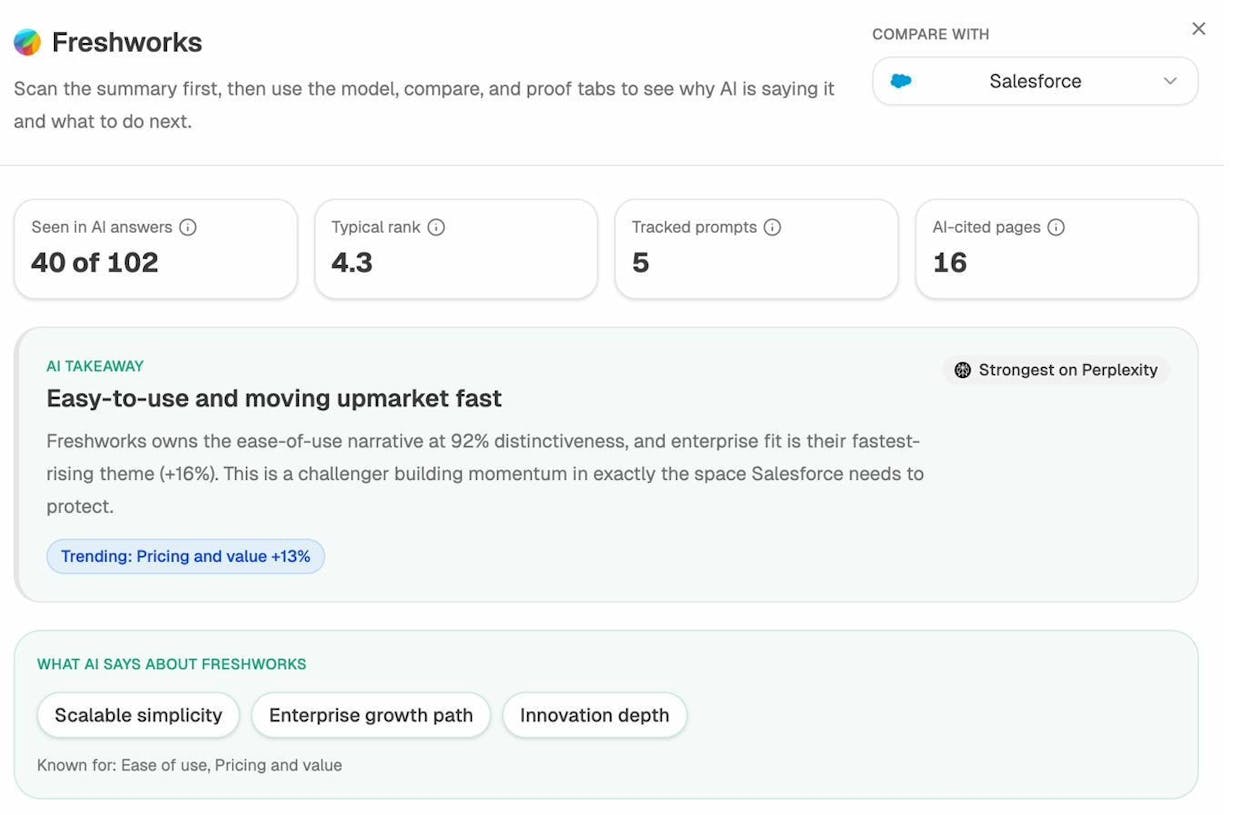
What to do. Add three new metrics to your reporting alongside organic traffic.
-
Share of voice in AI answers, or how often you appear when prompts in your category are run.
-
Citation rate, or how often AI engines link to your domain when they mention you.
-
Sentiment by engine, or whether each engine describes you positively, neutrally, or negatively.
Our Citation Analytics and AI Sentiment Monitoring features were built for these three metrics. For a fuller playbook, read How To Get Mentioned in AI Search.
4. Voice search will finally take off
Verdict: Fiction.
Every two years, somebody declares voice search is about to break out. It is the longest running false alarm in SEO, and 2026 is no different.
ChatGPT’s voice mode and Gemini Live are real, but most people still type their queries. There is still no evidence that “optimizing for voice” as a standalone channel produces measurable lift over normal SEO.
What to do. Write naturally and answer questions clearly. That is enough.
If you want to actually capture voice-driven AI demand, optimize for the AI engines themselves. Assistants like ChatGPT, Perplexity, and Gemini route most of their voice traffic through their own answer layer, which means winning the prompt also wins the voice query.
5. “Keyword research is obsolete”
Verdict: Fiction, with one important update.
The hot take this year is that keywords are dead and you should target prompts instead. The truth is more useful. Keywords still anchor SEO, and prompts are a new layer you add on top.
Keywords give you scale and predictability. Tools like Ahrefs and SEMrush still tell you what to write about for classic search, and our free Keyword Generator and Keyword Difficulty Checker cover the same job at zero cost.
![[Description of screenshot to use: Ahrefs Keywords Explorer showing search volume, keyword difficulty, and the matching terms report for a target keyword.]](https://www.datocms-assets.com/164164/1777648053-blobid4.png?auto=format,compress&w=1248&fit=max)
Prompts give you a new view of the same buyer. People do not type “best CRM for small teams” into ChatGPT. They type “what is the best CRM for a 10-person services company that already uses HubSpot,” and they expect a recommendation. That is a different unit of intent, and you need to research it directly.
What to do for SEO. Run normal keyword research, group keywords into topical clusters, and write the canonical resource for each cluster. Track how your target keywords perform with our free Keyword Rank Checker.
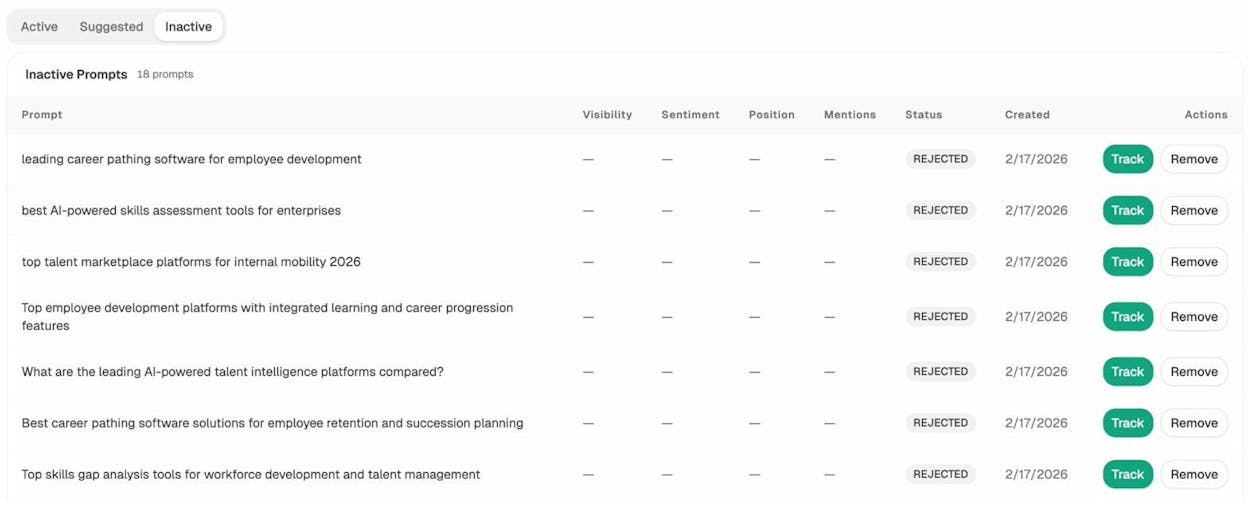
What to do for AI search. Use Prompt Discovery to find the prompts buyers actually run, then look at which competitors are winning each prompt today.
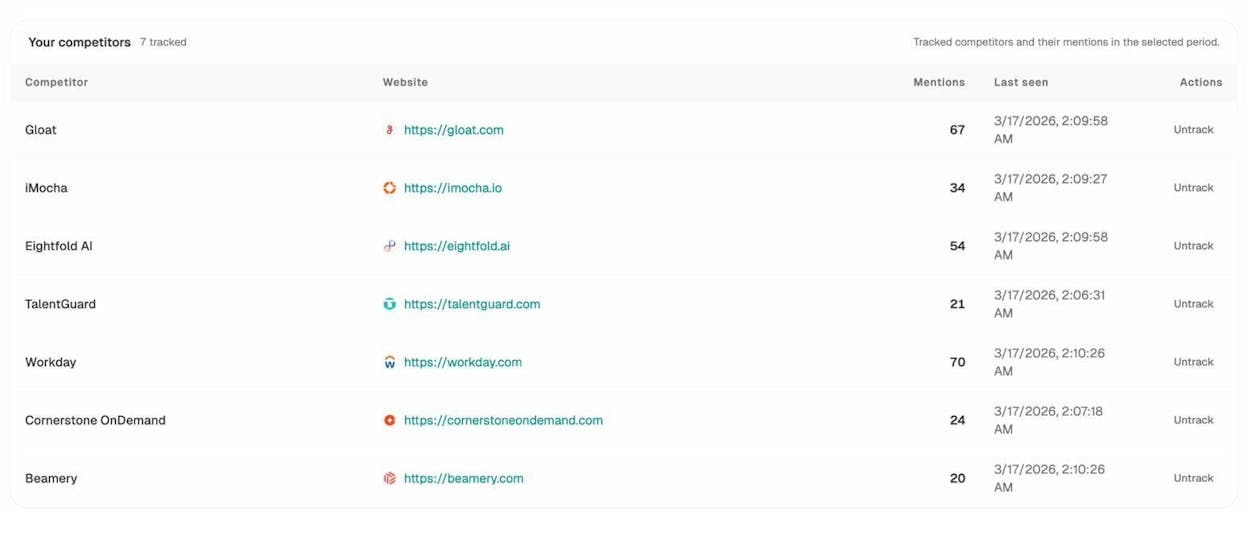
The pattern that often emerges is striking. Two or three competitors will own the answer for most prompts in a category, and they usually win it through the same handful of pages. Once you can see that, you can write the content that closes the gap. For a starter walkthrough, see our guide on AI Keyword Research.
6. EEAT is more important than ever
Verdict: Fact.
Experience, expertise, authority, and trust used to be a Google rater concept that some SEOs ignored. In 2026, the same signals decide whether AI engines cite you.
Domain authority is the strongest single predictor of AI citations, per SE Ranking, and high-authority domains get cited at roughly 3x the rate of low-authority domains for the same query. Authoritas also found about 70% of AI Overview citations rotate over a 2-3 month period, which means trust is checked continuously rather than earned once.
What to do.
-
Publish under named authors with real LinkedIn profiles and topical credentials.
-
Add an “About” section that states your editorial standards and how you fact-check.
-
Include first-hand evidence in every piece, like screenshots, original data, and customer quotes.
-
Earn brand mentions in the third-party publications your buyers already read.
For a quick SEO foundation check, run an audit with our free Website Authority Checker. For the AI side, generate an llms.txt file with our free LLMs.txt Generator so AI crawlers know which pages on your site to read first.
7. Third-party citations and digital PR
Verdict: Fact, and probably the highest-leverage trend in this article.
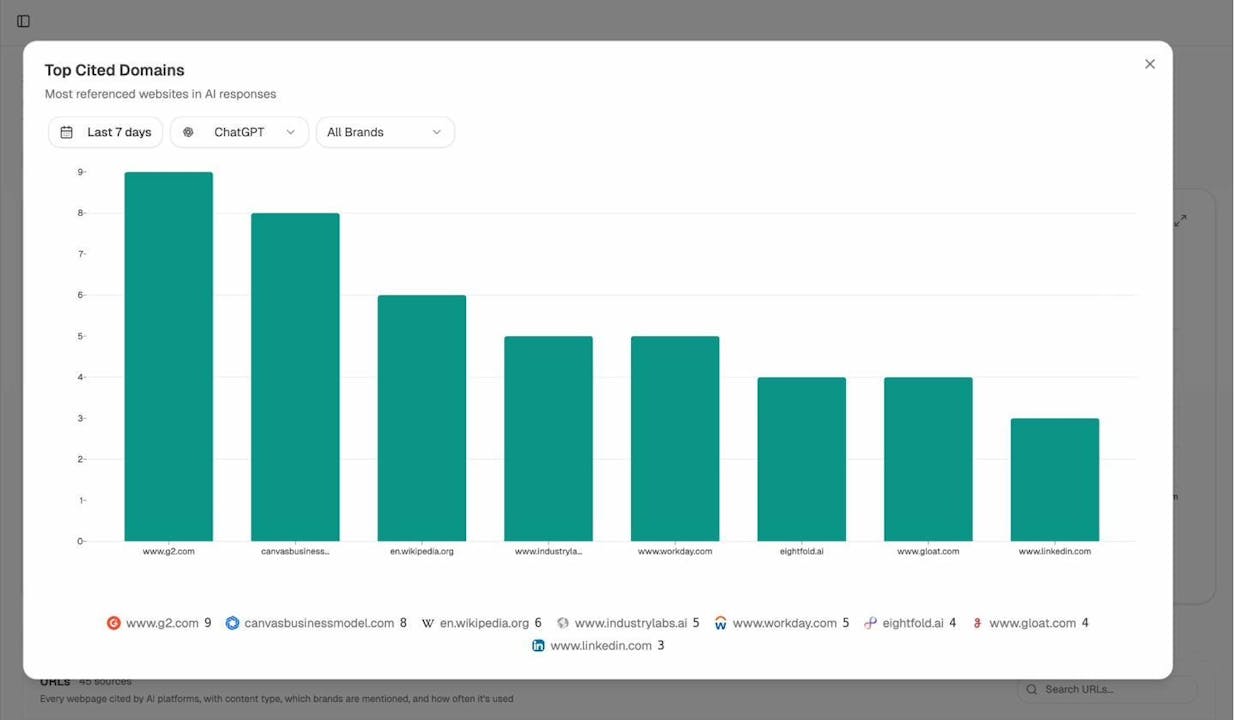
Across our dataset of 83,670 AI citations, 82.9% came from third-party sources like review sites, news, analyst reports, and industry blogs. Only 17.1% came from brands’ own websites.
Muck Rack found a similar 82% earned-media rate, and AirOps found brands are 6.5x more likely to be cited through external sources than through their own domain. Digital PR is no longer a “nice to have” line item. It is direct AI search optimization.
|
AI Engine |
Cites brand’s own site |
Cites third parties |
|---|---|---|
|
Claude |
22.2% |
77.8% |
|
Perplexity |
17.0% |
83.0% |
|
ChatGPT |
13.5% |
86.5% |
Engine preferences also differ in important ways. Claude leans heavily on company blog content (43.8% of citations), while ChatGPT and Perplexity favor product pages and review sites. ChatGPT is the only major engine that cites Wikipedia (12.1%) and LinkedIn (4.1%) at meaningful rates.
What to do.
-
Get listed on the top 3-5 review sites in your category like G2 and Capterra.
-
Pitch original data to journalists and publications your category trusts.
-
Make sure your Wikipedia entry exists and is accurate, especially for ChatGPT visibility.
-
Use Citation Analytics to see exactly which third-party domains AI engines pull from when they mention your brand or competitors.
8. Programmatic SEO
Verdict: It depends.
Programmatic SEO is the practice of generating keyword-targeted pages at scale, usually from a database. Done well it builds a moat. Done poorly it is the kind of thin content AI engines ignore and Google demotes.
The line is the quality of your data. If each page exposes a piece of useful, hard-to-find information that genuinely helps the user, the cluster works. If each page reshuffles the same generic copy with a different city or product name, it falls flat.
What to do.
-
Validate the underlying dataset is unique to you, not scraped from Wikipedia.
-
Build internal links so the cluster reinforces topical authority.
-
Run our free Broken Link Checker on the cluster regularly. Programmatic pages are where broken internal links accumulate fastest.
Established sites like Wise and Zapier have made programmatic SEO work because they layered it on top of strong domain authority and original data. New sites without those ingredients usually fail.
A useful test before building. Pick three of your planned pages at random and ask whether a journalist or buyer would link to them voluntarily. If the answer is no for all three, your dataset is not strong enough to carry the cluster yet.
9. Content freshness as a ranking signal
Verdict: Fact.
SEMrush found pages not updated quarterly are 3x more likely to lose AI citations. We saw the same pattern in our own data. AI engines cite pages that were last updated within the last 12 months at a much higher rate than older pages, even when the older pages rank higher in classic Google.
This is partly an AI-specific signal and partly a Google one. Both reward content that has been maintained, and both penalize content that has been forgotten.
What to do.
-
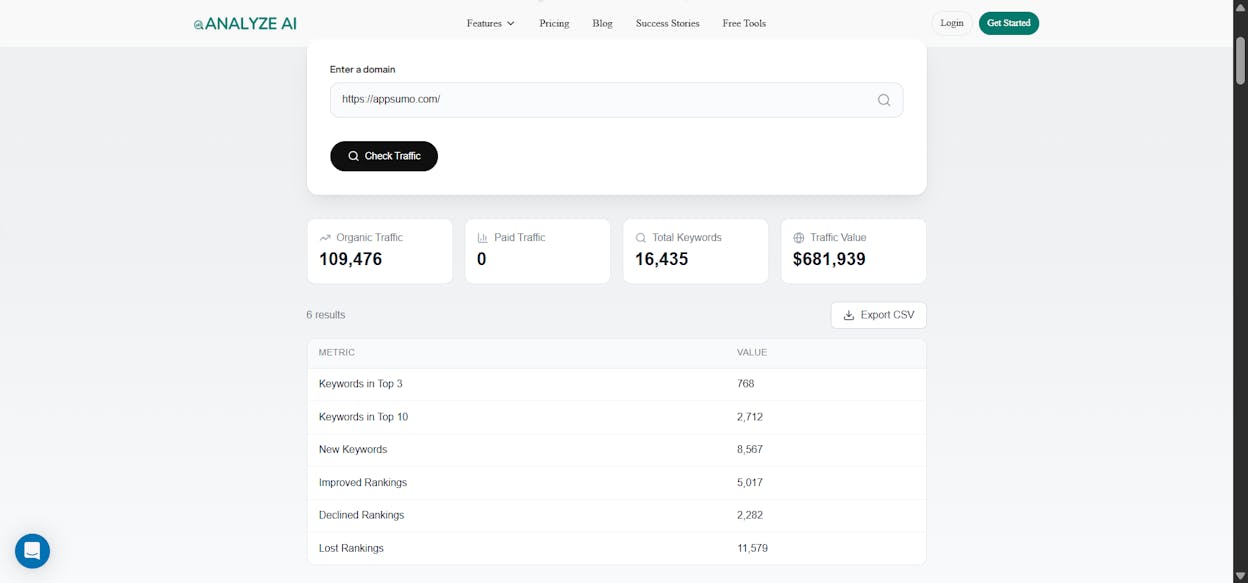
Audit your top 20 pages by traffic every quarter. If you do not have analytics access, use our free Website Traffic Checker.
-
Update statistics, examples, and screenshots if any are over 12 months old.
-
Add a “last updated” date that is visible to readers and surfaced in the page metadata.
-
Cut or merge pages that are no longer worth maintaining.
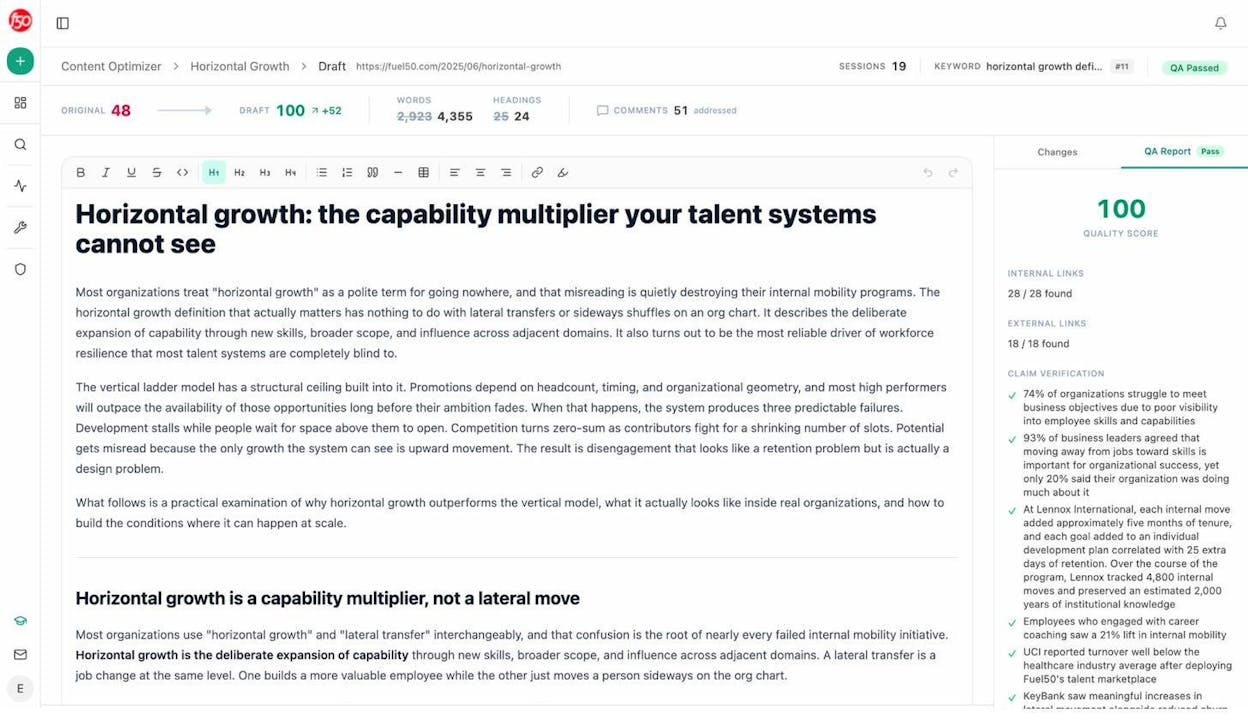
For a deeper playbook, our team published a 10-step SEO content strategy for 2026 that covers the full refresh process.
10. Information Gain (original research)
Verdict: Fact, and the most durable trend in this article.
Information Gain is Google’s patented metric for how much new value a page adds beyond what is already on the web. In an AI era where engines are designed to summarize what already exists, original information is the only thing they cannot generate themselves.
In our dataset, the top 10 most-cited brands almost all had at least one piece of original research published in the last 12 months. The pattern was not subtle. Original data attracts AI citations the same way it attracts backlinks.
What to do.
-
Run one survey or data study per quarter. Even 200-500 respondents is enough for most B2B niches.
-
Pull internal data into public-facing reports. Anonymized customer benchmarks work well.
-
Publish “we tested X” content where you actually tested the thing, with screenshots and numbers.
-
Pair every original-research piece with a clean, well-structured page that AI engines can parse.
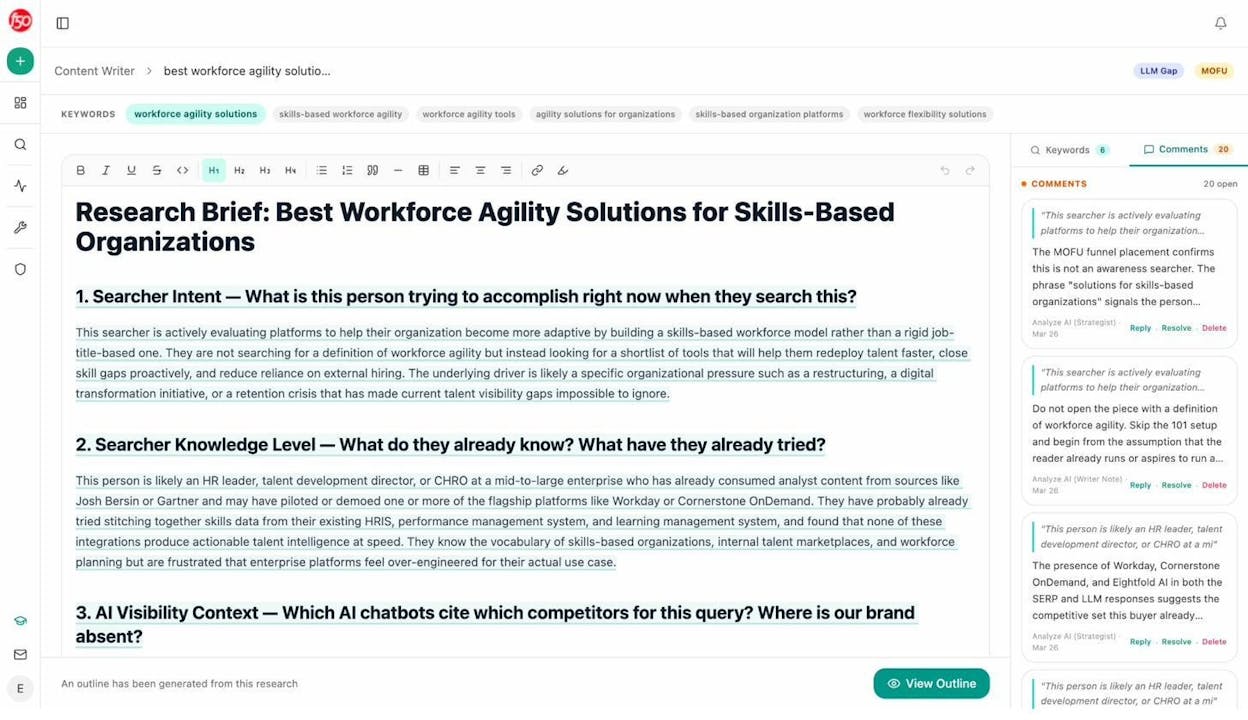
This is also where the AI Content Writer and AI Content Optimizer earn their keep. They will not invent new data for you, but they will help you turn original research into a page structure that both Google and AI engines surface.
Final thoughts
If you take only one thing from this article, take this. SEO is not dead, AI search is not a separate religion, and the brands that win in 2026 will treat both as one program.
Most of the trends in this list are either direct extensions of SEO fundamentals (authority, freshness, original research) or new measurement layers (citations, mentions, sentiment) that sit on top of the same content engine. The work has not changed as much as the panic implies. The reporting has.
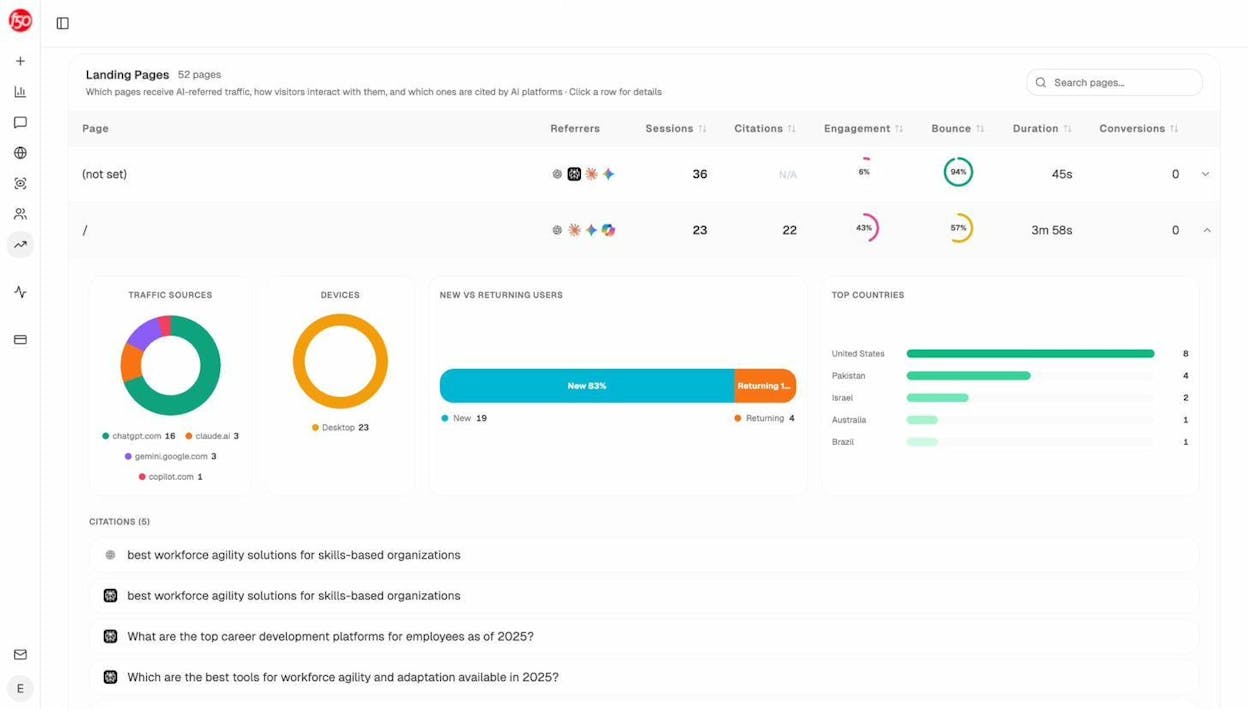
That last point is worth sitting with. The end goal of any of this work is not visibility for visibility’s sake. It is qualified pipeline that you can attribute and compound. Tools like our AI Traffic Analytics close the loop so you can see which pages and which AI engines are actually driving sessions.
Pick three trends from this list to focus on this quarter. Track the metrics that go with them. Ignore the rest until next quarter. That is enough to outpace 90% of competitors who are still chasing every headline.
If you want a single dashboard for the AI search side of this work, that is what Analyze AI was built for. We will not pitch you panic, and we will not tell you SEO is over.

Moïse

Ernest


