



Summarize this blog post with:


In this article, you’ll get a curated list of the best SEO books worth reading right now — organized by skill level, with honest takes on what each book does well (and where it falls short). You’ll also learn how to apply what you read to the emerging world of AI search, where the same principles that make content rank on Google are now shaping what ChatGPT, Perplexity, and Gemini recommend to millions of users every day.
There are hundreds of SEO books on Amazon. Most are outdated within a year. Some were outdated when they shipped.
The books below are different. Each one made this list because it teaches something you cannot easily find in a blog post or YouTube video — and because the core ideas still apply in a world where search is splitting between traditional results and AI-generated answers.
We grouped them into three levels so you can jump straight to what fits.
|
Book |
Best For |
Level |
Key Takeaway |
|---|---|---|---|
|
SEO Book for Beginners (Ahrefs) |
Complete beginners |
Beginner |
Modern SEO fundamentals grounded in real data |
|
SEO for Dummies |
Non-technical website owners |
Beginner |
Plain-English introduction to every SEO basic |
|
3 Months to No.1 |
DIY implementers |
Beginner |
A 12-week action plan you can follow step by step |
|
The Art of SEO |
Anyone wanting a comprehensive reference |
Intermediate |
The most complete SEO textbook in print |
|
Product-Led SEO |
SaaS and product marketers |
Intermediate |
How to build SEO into the product itself |
|
The SEO Blueprint |
Agency professionals and consultants |
Intermediate |
A hands-on project management system for SEO |
|
The Fundamentals of Brand SERPs for Business |
Brand marketers |
Intermediate |
How to control what Google (and AI) shows for your brand |
|
Entity SEO |
Content strategists |
Intermediate |
How search engines understand entities — and how to use that |
|
Information Architecture for the World Wide Web |
UX and technical SEOs |
Intermediate |
The science of structuring content for findability |
|
Data-Driven SEO with Python |
Technical SEOs |
Advanced |
Merging Python programming with real SEO workflows |
|
The Link Building Book |
Link builders |
Advanced |
The most practical guide to earning backlinks |
|
The Ultimate Sales Machine |
Growth-minded SEOs |
Advanced |
Business development strategy that fuels SEO results |
|
Feck Perfuction |
Creative marketers |
Advanced |
A mindset shift for standing out in saturated SERPs |
|
They Ask, You Answer |
Content teams |
Intermediate |
A framework for building trust through content |
|
SEO 2024 |
Solo practitioners |
Beginner |
Yearly-updated tactics with a practical slant |
Table of Contents
Best SEO Books for Beginners
If you are starting from scratch, you need a book that teaches the fundamentals without assuming you know what a canonical tag is. These three do that well.
1. SEO Book for Beginners
Authors: Tim Soulo, Joshua Hardwick, Patrick Stox
Published: 2023
![[Screenshot description: Cover of the Ahrefs SEO Book for Beginners showing the hardcover design]](https://www.datocms-assets.com/164164/1776791948-blobid1.jpg?auto=format,compress&w=1248&fit=max)
Most beginner SEO books are written by consultants selling their services. This one is written by the team behind one of the largest SEO toolsets in the market, and it shows. The information is grounded in search data rather than theory.
The book covers how search engines work, keyword research, on-page SEO, link building, and technical SEO across seven chapters. It reads fast — around 140 pages — and avoids the jargon-heavy writing that makes most SEO books painful for beginners.
What makes it stand out: Every concept is tied to real examples and actual search data. The keyword research chapter alone is worth the read because it teaches you how to evaluate keywords based on traffic potential rather than just search volume.
Where it falls short: The book was published in 2023 and does not cover AI search at all. If you are reading it today, you will get a solid foundation in traditional SEO, but you will need to supplement it with resources on how AI engines like ChatGPT and Perplexity are changing how people discover brands.
Who should read it: Anyone completely new to SEO who wants a reliable starting point without wading through 50 blog posts.
2. SEO for Dummies
Author: Peter Kent
Published: Latest edition 2024
![[Screenshot description: Cover of SEO for Dummies showing the classic yellow and black design]](https://www.datocms-assets.com/164164/1776791957-blobid2.jpg?auto=format,compress&w=1248&fit=max)
Say what you will about the “for Dummies” brand — this book delivers exactly what it promises. Peter Kent, an e-commerce consultant who has published over 60 books, walks you through every foundational concept in SEO without assuming any prior knowledge.
The book covers everything from how Google indexes pages to creating SEO-friendly content to understanding analytics. It is particularly good at explaining the “why” behind each tactic, which helps new practitioners make better decisions when situations arise that the book does not explicitly cover.
What makes it stand out: It is the most accessible entry point into SEO. If you run a small business and just want to understand what your SEO agency is talking about, this is the book.
Where it falls short: The breadth comes at the cost of depth. You will not learn advanced strategies here. And like most traditionally published SEO books, it takes time to update between editions, so some tactical advice may lag behind current best practices.
Who should read it: Small business owners, marketing generalists, and anyone who finds other SEO books too technical.
3. 3 Months to No.1
Author: Will Coombe
Published: 2017 (updated regularly)
![[Screenshot description: Cover of 3 Months to No.1]](https://www.datocms-assets.com/164164/1776791958-blobid3.jpg?auto=format,compress&w=1248&fit=max)
Will Coombe wrote this book specifically because he found most SEO resources too jargon-heavy. The result is a 12-week blueprint that takes you from zero to executing a real SEO strategy.
Each chapter corresponds to a week or two of work, which gives the book a practical rhythm that most SEO books lack. Instead of dumping theory on you, Coombe tells you what to do this week and why.
What makes it stand out: The structured timeline. Most SEO books give you information. This one gives you a project plan. If you struggle with knowing where to start, this structure will help.
Where it falls short: Originally published in 2017, some of the tactical advice (especially around link building) feels dated. The core strategy is sound, but you will want to cross-reference specific tactics with more current resources.
Who should read it: Freelancers, startup founders, and solo marketers who need to implement SEO themselves and want a clear roadmap.
Best SEO Books for Intermediate Practitioners
You know the basics. You have done some keyword research, optimized a few pages, maybe even built some links. These books will push you further.
4. The Art of SEO
Authors: Stephan Spencer, Eric Enge, Jessica Stricchiola
Published: 4th edition, 2023
![[Screenshot description: Cover of The Art of SEO, 4th edition]](https://www.datocms-assets.com/164164/1776791963-blobid4.jpg?auto=format,compress&w=1248&fit=max)
This is the reference book. At over 1,000 pages, it covers nearly every aspect of SEO in significant depth — from the business case for SEO to advanced technical implementation. Think of it as a textbook you keep on your desk rather than read cover to cover.
Aleyda Solis, one of the most respected international SEO consultants, calls it the most complete SEO book available. That reputation is earned. The fourth edition updates the content for modern search, including discussions on E-E-A-T, core web vitals, and structured data.
What makes it stand out: Comprehensiveness. No other single book covers as much ground with as much depth. The chapters on technical SEO and site architecture are particularly strong.
Where it falls short: Its size is both a strength and a weakness. At over 1,000 pages, it can be overwhelming. And some sections, particularly around specific tool recommendations, date faster than the strategic frameworks.
Who should read it: In-house SEOs who want a reference they can consult for any challenge, and agency professionals who need deep knowledge across all areas of SEO.
5. Product-Led SEO
Author: Eli Schwartz
Published: 2021
![[Screenshot description: Cover of Product-Led SEO]](https://www.datocms-assets.com/164164/1776791968-blobid5.jpg?auto=format,compress&w=1248&fit=max)
Most SEO books teach you how to optimize content and build links. Product-Led SEO asks a different question: what if SEO was built into the product itself?
Eli Schwartz argues that the most sustainable SEO strategies come from creating genuine user value at scale — not from churning out blog posts targeting long-tail keywords. He shows how companies like Yelp, Zillow, and TripAdvisor built their organic growth into the product experience.
This thinking matters more now than when the book was written. In a world where AI search engines generate answers by synthesizing the most useful content, building SEO into your product — rather than bolting it on — becomes a competitive advantage. AI models cite sources that provide unique, structured, and genuinely useful information. Product-led content tends to do exactly that.
What makes it stand out: It shifts your thinking from “what keywords should we target?” to “what should we build?” That reframe unlocks strategies that most content-focused SEOs miss entirely.
Where it falls short: The concepts are powerful but sometimes abstract. Readers looking for step-by-step tactical guides will need to translate Schwartz’s frameworks into their specific context.
Who should read it: SaaS marketers, product managers, and growth leads who influence what gets built — not just what gets published.
6. The SEO Blueprint
Author: Ryan Stewart
Published: 2020
![[Screenshot description: Cover of The SEO Blueprint]](https://www.datocms-assets.com/164164/1776791969-blobid6.jpg?auto=format,compress&w=1248&fit=max)
Ryan Stewart runs a successful SEO agency, and this book reads like he is handing you the agency’s internal playbook. The focus is not on theory. It is on how to actually manage SEO as a project — from audit to execution to reporting.
He includes the spreadsheets, processes, and checklists he uses with real clients. If you have ever finished an SEO book and thought “great, but how do I actually do this on Monday morning,” The SEO Blueprint is the answer.
What makes it stand out: Pure practicality. Stewart teaches you how to scope an SEO project, prioritize tasks, manage client expectations, and track results. The included templates are genuinely useful.
Where it falls short: It was last updated in 2020, so some of the specific tool recommendations and tactics are dated. The framework and process, though, remain excellent.
Who should read it: SEO consultants, agency professionals, and in-house SEOs managing cross-functional projects. If you need to run SEO like a project manager, this is your book.
7. The Fundamentals of Brand SERPs for Business
Author: Jason Barnard
Published: 2022
![[Screenshot description: Cover of The Fundamentals of Brand SERPs for Business]](https://www.datocms-assets.com/164164/1776791974-blobid7.jpg?auto=format,compress&w=1248&fit=max)
Jason Barnard built his career around a single idea: your Brand SERP — the search results page that appears when someone Googles your brand name — is the most important page on the internet for your business. This book explains why and shows you how to control it.
This matters more now than ever. When someone asks ChatGPT, Perplexity, or Gemini about your brand, the AI pulls from the same signals that shape your Brand SERP: your website, your structured data, your mentions across authoritative sources, and the entity information Google has built around your brand in its Knowledge Graph.
Barnard’s book teaches you to build a strong entity that search engines (and now AI models) can understand and trust. That work pays dividends across both traditional and AI search.
What makes it stand out: It connects brand management to SEO in a way that few other books do. The sections on entity SEO and Knowledge Graph optimization are especially relevant for anyone trying to improve how AI engines represent their brand.
Where it falls short: The book focuses heavily on Google’s Brand SERP. With AI search engines now forming their own narratives about brands, you will want to extend Barnard’s framework to include monitoring how AI engines perceive you — which is where tools like Analyze AI come in.
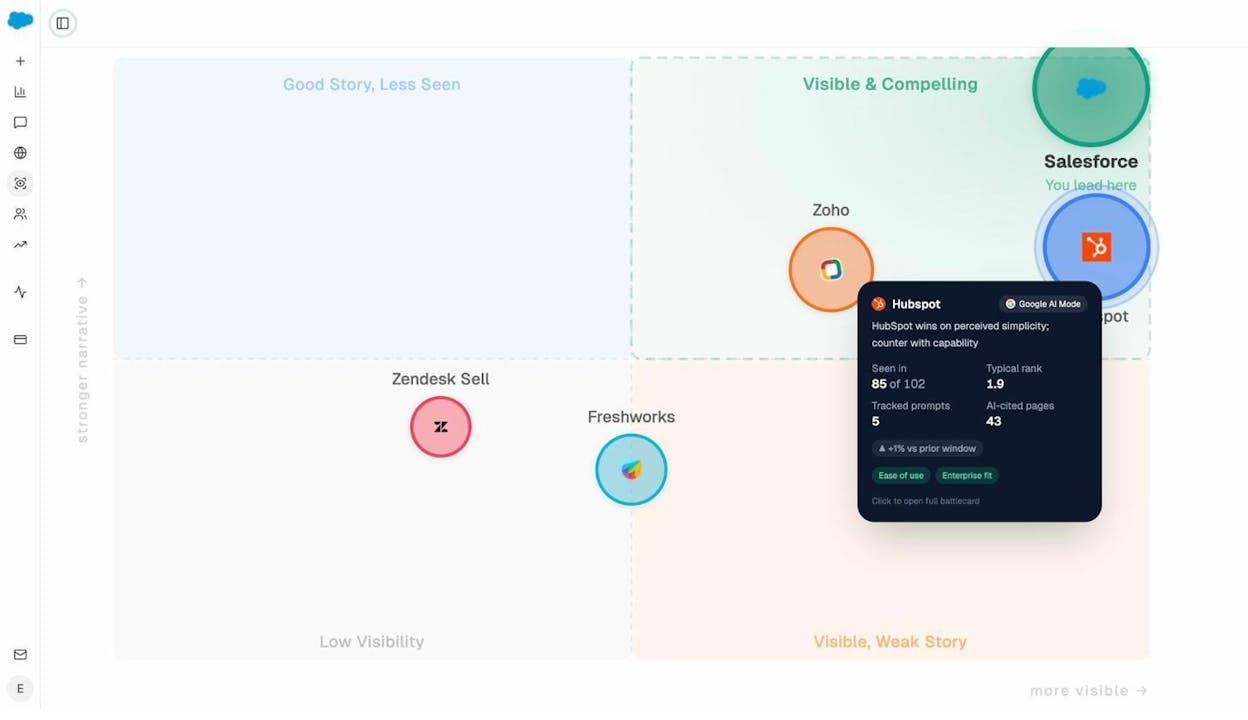
The Perception Map inside Analyze AI extends Barnard’s brand SERP concept into AI search. It shows exactly how each AI engine frames your brand — the narrative, the sentiment, the risk terms — so you can see whether AI is telling the story you want told.
Who should read it: Brand marketers, communications professionals, and SEOs who work on branded search. Essential reading for anyone concerned about how AI engines represent their business.
8. Entity SEO
Author: Dixon Jones
Published: 2021
![[Screenshot description: Cover of Entity SEO by Dixon Jones]](https://www.datocms-assets.com/164164/1776791980-blobid9.jpg?auto=format,compress&w=1248&fit=max)
Dixon Jones, co-founder of InLinks, wrote the book on how search engines moved from matching strings of text to understanding things — entities. The book traces the history of how Google, Bing, and other engines learned to decipher entities, and then shows you how to use that understanding in your SEO work.
Entity SEO is foundational to understanding why certain content surfaces in AI search results. Large language models are trained on structured knowledge, and the better your content maps to clear entities with well-defined relationships, the more likely AI engines are to cite you.
What makes it stand out: The historical depth. Jones does not just tell you what entity SEO is — he shows you how search engines arrived at the current model, which helps you anticipate where things are going. The practical tips on using Google’s Knowledge Graph and structured data tools to research competitor entities are immediately actionable.
Where it falls short: Entity SEO is a complex topic, and the book occasionally gets academic. Readers who prefer step-by-step tactical guides may find some sections dense.
Who should read it: Content strategists, technical SEOs, and anyone trying to understand how search engines (and AI models) make sense of the web.
9. Information Architecture for the World Wide Web
Authors: Peter Morville, Louis Rosenfeld
Published: 3rd edition, 2006 (principles remain current)
![[Screenshot description: Cover of Information Architecture for the World Wide Web]](https://www.datocms-assets.com/164164/1776791981-blobid10.png?auto=format,compress&w=1248&fit=max)
This book predates most modern SEO practices, and yet it remains one of the most useful reads for anyone who structures content on websites. Morville and Rosenfeld cover organization systems, labeling, navigation, and search — the invisible architecture that determines whether users (and search engines) can find what they need.
A well-organized site is easier for Google to crawl and understand. That same organization — clear hierarchies, logical groupings, descriptive labels — makes your content more legible to AI models when they scan your site for information to cite.
What makes it stand out: It teaches principles, not tactics. The concepts of faceted navigation, controlled vocabularies, and user-centered labeling apply whether you are optimizing for Google in 2006 or ChatGPT in 2026.
Where it falls short: The examples are from older websites. You will need to mentally translate the principles to modern web design. The tactical advice on search engine interaction is outdated.
Who should read it: Technical SEOs, UX designers, and anyone responsible for site structure. Especially valuable for large sites with complex content hierarchies.
10. They Ask, You Answer
Author: Marcus Sheridan
Published: Revised edition, 2019
![[Screenshot description: Cover of They Ask, You Answer]](https://www.datocms-assets.com/164164/1776791986-blobid11.jpg?auto=format,compress&w=1248&fit=max)
Marcus Sheridan saved his struggling pool company during the 2008 recession by doing one thing: answering every question his potential customers typed into Google. That approach — radical transparency through content — became this book.
The framework is simple. Find every question your audience asks. Answer it honestly and thoroughly. Do not hold back information because you are afraid of giving away too much.
This philosophy maps directly to what works in AI search. When someone asks ChatGPT “what is the best CRM for small businesses?” the AI assembles its answer from content that directly, thoroughly, and transparently addresses that exact question. Content built on Sheridan’s framework tends to be exactly the kind of content AI engines cite.
What makes it stand out: The framework is dead simple and immediately actionable. Sheridan does not talk about algorithms or ranking factors. He talks about being the most helpful resource in your industry — which happens to be the single best SEO content strategy for both traditional and AI search.
Where it falls short: The book focuses on B2B and service businesses. E-commerce and SaaS companies will need to adapt the framework. And the tactical SEO advice is thin — Sheridan is a content strategist, not a technical SEO.
Who should read it: Content marketers, business owners, and anyone who needs a clear content strategy before they worry about technical optimization.
Best SEO Books for Advanced Practitioners
You have been doing SEO for years. You have ranked pages, built links, and navigated algorithm updates. These books push your thinking into new territory.
11. Data-Driven SEO with Python
Author: Andreas Voniatis
Published: 2023
![[Screenshot description: Cover of Data-Driven SEO with Python]](https://www.datocms-assets.com/164164/1776791987-blobid12.png?auto=format,compress&w=1248&fit=max)
Andreas Voniatis merges two fields that are increasingly inseparable: SEO and data science. The book walks you through using Python to automate SEO tasks, analyze large datasets, and build models that inform strategy.
If you already know some Python, this book will show you how to apply it to real SEO challenges — from automating crawl analysis to building content gap models to forecasting organic traffic. If you do not know Python, this is not the right starting point (learn the basics first).
What makes it stand out: It is hands-on from page one. Voniatis does not spend chapters on theory. He gives you code, explains why it works, and lets you adapt it to your own projects. The approach to log file analysis and crawl optimization is particularly strong.
Where it falls short: The book assumes a working knowledge of both Python and SEO. If you are shaky in either area, you will struggle. It is also narrowly focused on Google — the data science techniques could (and should) be applied to analyzing AI search data too.
Who should read it: Technical SEOs who want to scale their analysis, and data analysts moving into SEO.
12. The Link Building Book
Author: Paddy Moogan
Published: 2013 (updated and available free online at aira.net)
![[Screenshot description: Cover of The Link Building Book]](https://www.datocms-assets.com/164164/1776791992-blobid13.png?auto=format,compress&w=1248&fit=max)
Links still matter. Despite all the changes in search, backlinks remain one of the strongest ranking signals in Google’s algorithm. Paddy Moogan’s book covers every aspect of link building — from why links matter to specific tactics for earning them.
The book was originally published in 2013 but has been updated and is now available free online. Even a decade later, the core strategies — creating link-worthy content, building relationships, and earning editorial links — remain the foundation of effective link building.
These same strategies matter for AI search visibility. Research from multiple studies shows that AI engines preferentially cite sources with strong backlink profiles and high domain authority. Earning links does not just help your Google rankings — it signals to AI models that your content is trustworthy enough to recommend.
What makes it stand out: Practicality. Moogan does not just explain link building strategies — he shows you how to execute them. The recently updated online version keeps the content relevant.
Where it falls short: Some specific tactics (particularly around guest posting) have evolved since the original publication. The core framework is sound, but you will want to layer in modern approaches like digital PR and data-driven content.
Who should read it: Anyone responsible for building backlinks, from junior link builders to SEO directors planning their off-page strategy.
13. The Ultimate Sales Machine
Author: Chet Holmes
Published: 2008
![[Screenshot description: Cover of The Ultimate Sales Machine]](https://www.datocms-assets.com/164164/1776791993-blobid14.jpg?auto=format,compress&w=1248&fit=max)
This is not an SEO book. It is a business book. So why is it on this list?
Because SEO does not exist in a vacuum. The best SEO practitioners understand that search visibility is a means to business outcomes, and Chet Holmes teaches you how to think about those outcomes systematically.
The concept that resonates most with SEOs is the “Dream 100” — the idea of identifying the 100 people or organizations that could most impact your business and building relationships with them proactively. For SEOs, this maps directly to link building, digital PR, and partnership strategies. For AI search, it maps to becoming a source that industry authorities reference, which in turn increases your likelihood of being cited by AI engines.
What makes it stand out: It reframes SEO as a business growth function rather than a technical discipline. The Dream 100 concept alone makes the book worth reading.
Where it falls short: It is a sales book, not a marketing book. Some of the sales-specific advice does not translate directly to digital marketing. Read it for the strategic thinking, not for SEO tactics.
Who should read it: SEO leaders and agency owners who need to connect their SEO work to revenue. Also valuable for link builders who want to think strategically about relationship building.
14. Feck Perfuction
Author: James Victore
Published: 2019
![[Screenshot description: Cover of Feck Perfuction]](https://www.datocms-assets.com/164164/1776791998-blobid15.jpg?auto=format,compress&w=1248&fit=max)
Another non-SEO book, and arguably the most important one on this list for experienced practitioners who feel stuck.
James Victore is a designer, not a marketer. But his message — embrace your flaws, take risks, and stand out instead of fitting in — is exactly what advanced SEOs need to hear. In a world where every brand publishes the same “top 10” listicles optimized for the same keywords, the brands that win are the ones willing to be different.
This applies to AI search in a concrete way. AI models are trained to recognize novel, authoritative content. If your content says the same thing as every other result, AI has no reason to cite you specifically. Standing out — through original research, unique perspectives, or distinctive formatting — is how you earn citations in both Google and AI answers.
What makes it stand out: It is a mindset book, and it is the kind of mindset shift that separates good SEOs from great ones. Dan Taylor, a well-known technical SEO, credits this book with helping him communicate complex SEO topics more effectively.
Where it falls short: There is no tactical SEO advice here. If you want frameworks and checklists, look elsewhere. This book is for your strategic brain, not your tactical hands.
Who should read it: Senior SEOs, content directors, and anyone who feels like their work has become formulaic.
15. SEO 2024
Author: Adam Clarke
Published: Updated annually
![[Screenshot description: Cover of SEO 2024 by Adam Clarke]](https://www.datocms-assets.com/164164/1776791999-blobid16.jpg?auto=format,compress&w=1248&fit=max)
Adam Clarke updates this book every year, which makes it one of the few SEO books that keeps pace with algorithm changes and industry shifts. The latest edition covers Google’s helpful content updates, the impact of AI on search, and current best practices for on-page and off-page optimization.
What makes it stand out: Timeliness. While most SEO books are outdated within 18 months, Clarke’s annual update cycle means you are getting advice that reflects the current search landscape.
Where it falls short: Breadth over depth. Because the book tries to cover everything annually, individual topics do not get the deep treatment you will find in more focused books like The Art of SEO or Product-Led SEO.
Who should read it: Solo practitioners and small business owners who want a single, current resource to guide their SEO efforts each year.
How to Choose Which Book to Read First
Do not try to read all of these. Pick one or two based on where you are.
If you are brand new to SEO: Start with SEO Book for Beginners or 3 Months to No.1. Both give you enough foundation to start doing real work. Once you have the basics, move to The Art of SEO as a reference you can consult when you hit specific challenges.
If you are an intermediate SEO: Pick the book that addresses your biggest gap. If you are too focused on content and not enough on product, read Product-Led SEO. If your site structure is a mess, read Information Architecture. If your brand SERP is embarrassing, read The Fundamentals of Brand SERPs.
If you are an advanced SEO: Read Feck Perfuction or The Ultimate Sales Machine to broaden your strategic thinking. If you want to sharpen your technical skills, Data-Driven SEO with Python will push you further than any other book on this list.
Beyond Books: SEO in the Age of AI Search
Every book on this list teaches principles that apply to traditional search engines. But search is evolving. Today, a growing share of discovery happens through AI answer engines — ChatGPT, Perplexity, Gemini, Claude, and Copilot. Buyers ask these tools questions like “what is the best project management software?” and get direct answers, often with citations.
The good news: the fundamentals have not changed. The brands that win in AI search are the ones doing great SEO — producing clear, original, authoritative content that earns trust. AI models cite the same kinds of sources that rank well on Google: well-structured pages, strong backlink profiles, established entities, and genuinely helpful content.
The shift is that you now need to track an additional channel. Just as you would not do SEO without Google Search Console, you should not ignore AI search without understanding where you appear (and where you do not).
Track Where AI Mentions Your Brand
The books in this list teach you how to create content that deserves to rank. But how do you know whether AI engines are actually recommending you?
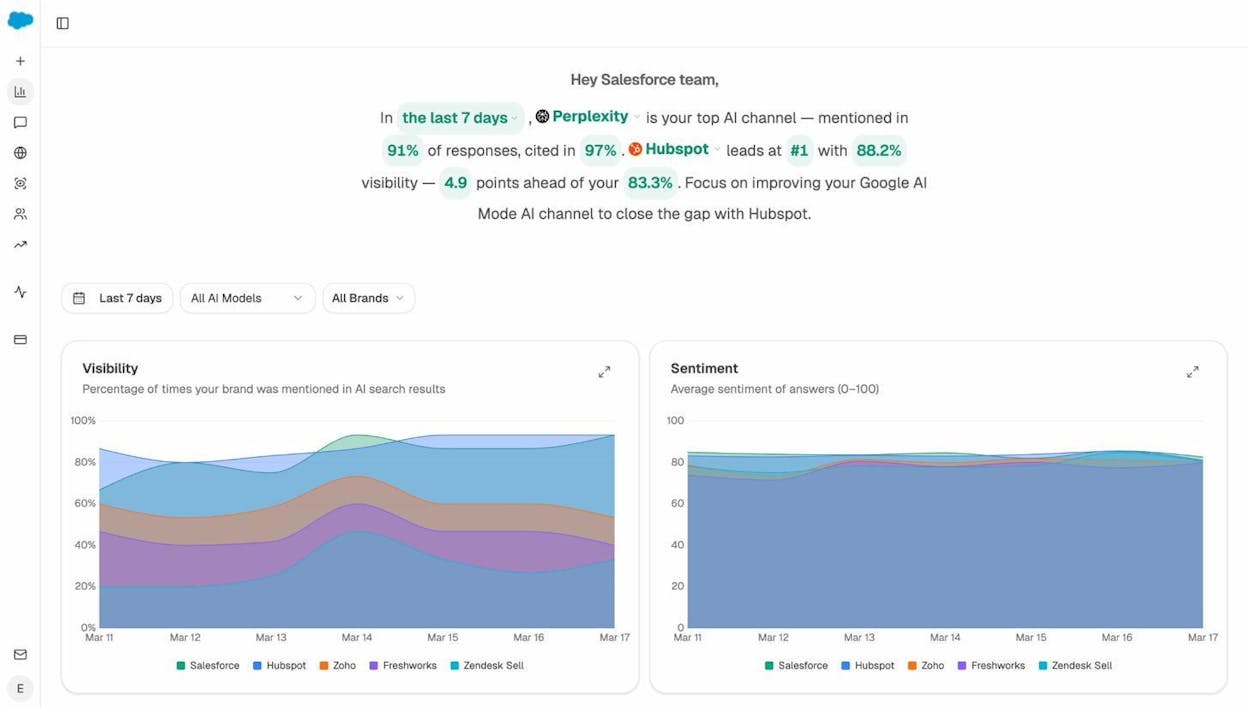
Analyze AI monitors how AI search engines portray your brand across ChatGPT, Perplexity, Gemini, Claude, and Copilot. You can see your visibility score, track changes over time, and identify which engines mention you and which do not.
See Which Prompts You Win — and Which You Lose
Understanding which questions trigger AI to mention your brand (and which trigger mentions of your competitors instead) is the AI search equivalent of keyword tracking.
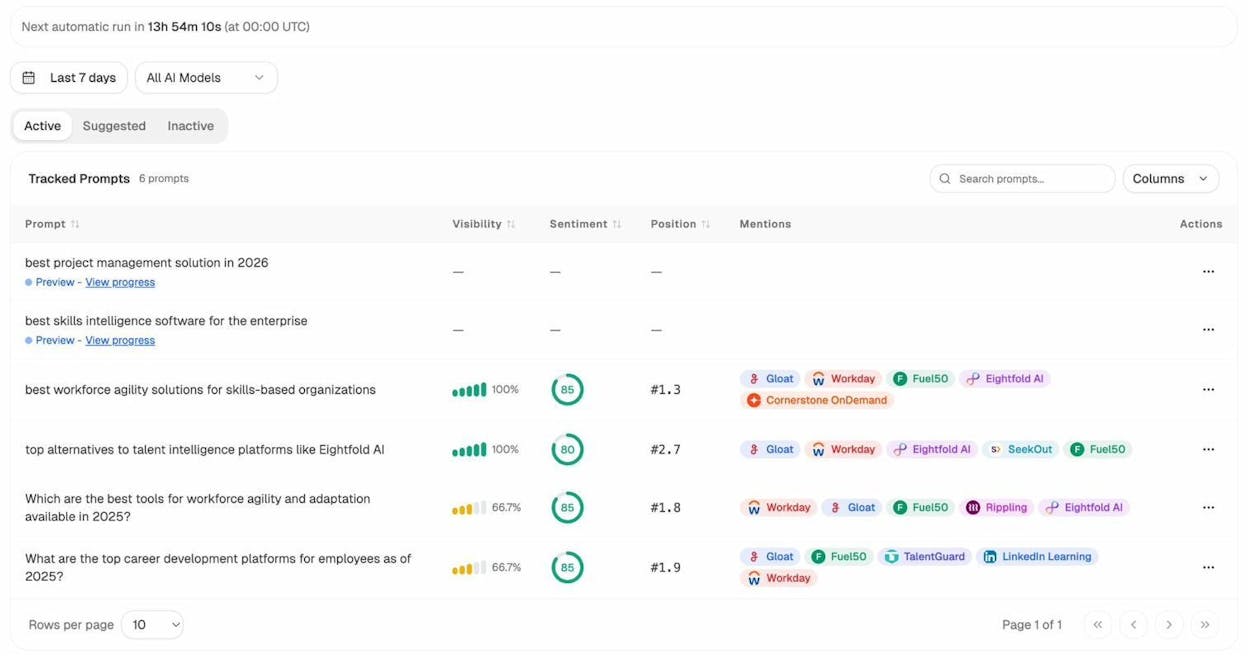
The Prompts dashboard inside Analyze AI shows exactly which prompts your brand appears in, your position relative to competitors, and which engines include you. You can also get suggested prompts based on your industry to discover opportunities you did not know existed.
Discover Which Competitors AI Recommends Instead of You
Several books on this list — especially Product-Led SEO and The Art of SEO — emphasize competitive analysis as a core SEO practice. That same analysis needs to extend to AI search.
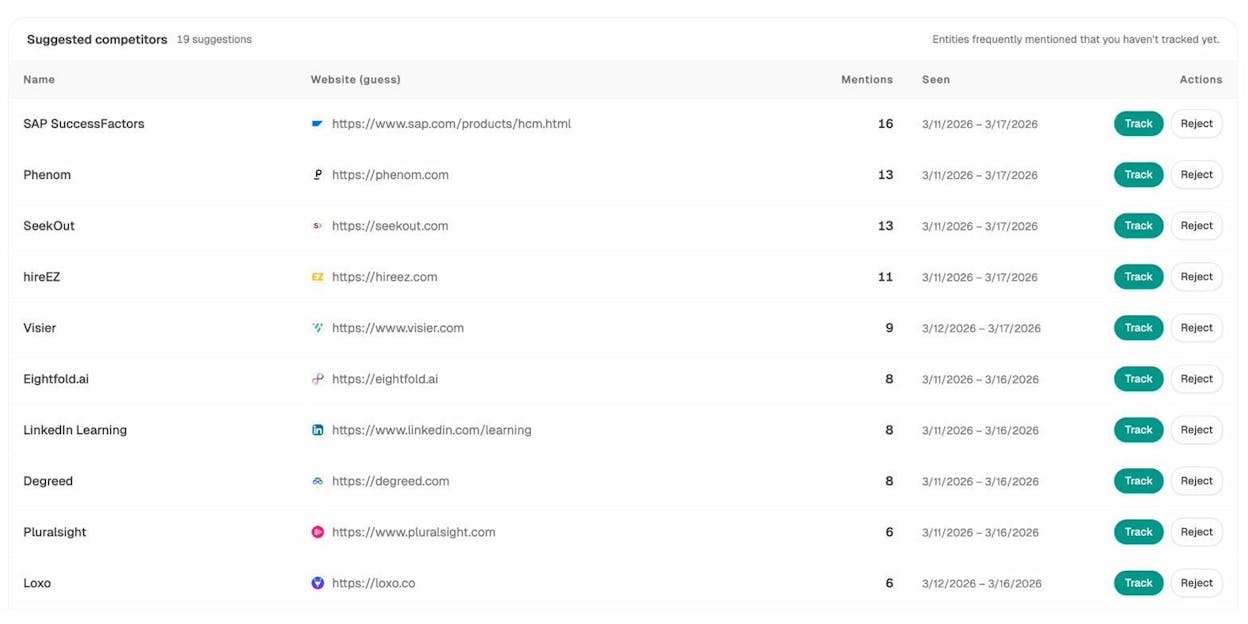
The Competitors view shows a rolling scoreboard of how your brand stacks up against rivals across AI engines. You can see who AI recommends for each topic, where competitors overtake you, and where gaps exist that you can fill with better content.
Understand Which Sources AI Trusts
When an AI engine cites a source in its answer, it is revealing something about what it considers authoritative. Tracking those citations helps you understand where to earn mentions and which platforms to prioritize.
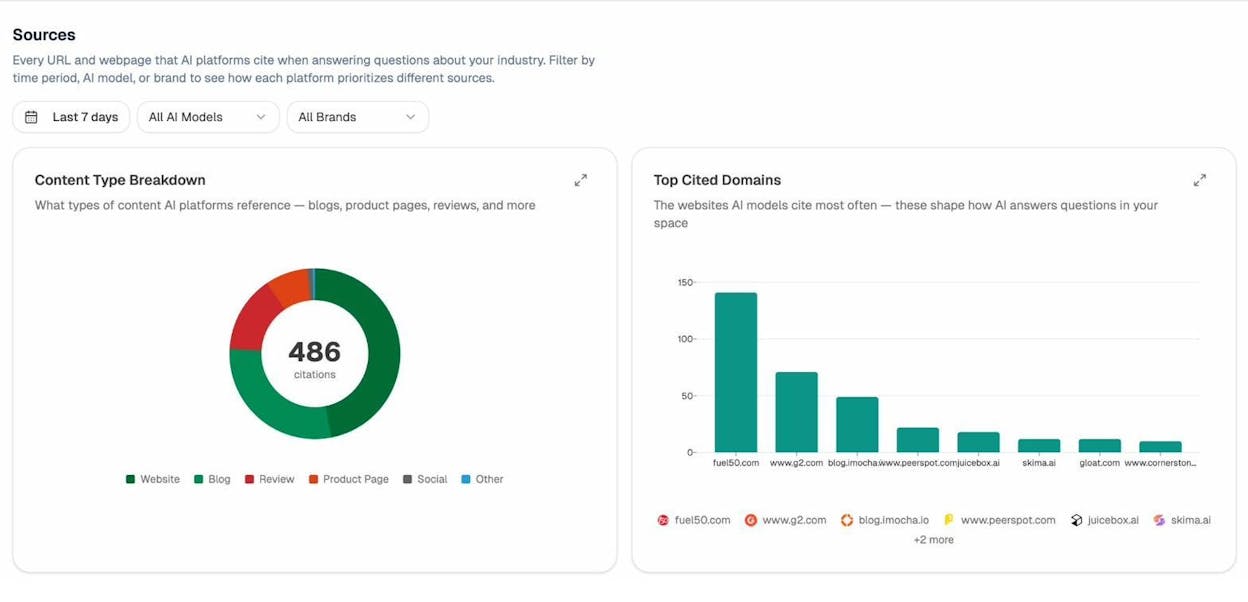
The Sources dashboard in Analyze AI maps every URL and domain that AI engines cite in your space. You can see which domains get the most citations, which types of content (blog posts, reviews, product pages) AI engines prefer, and where your own content falls short.
This data feeds directly into the link building strategies taught in books like The Link Building Book. If AI engines consistently cite G2 reviews and industry blogs in your category, those are the sources you should prioritize earning placement on.
Test Any Prompt Before Building a Strategy
Before committing resources to a new content strategy, you can run ad hoc searches across multiple AI engines to see who currently appears for any given query.
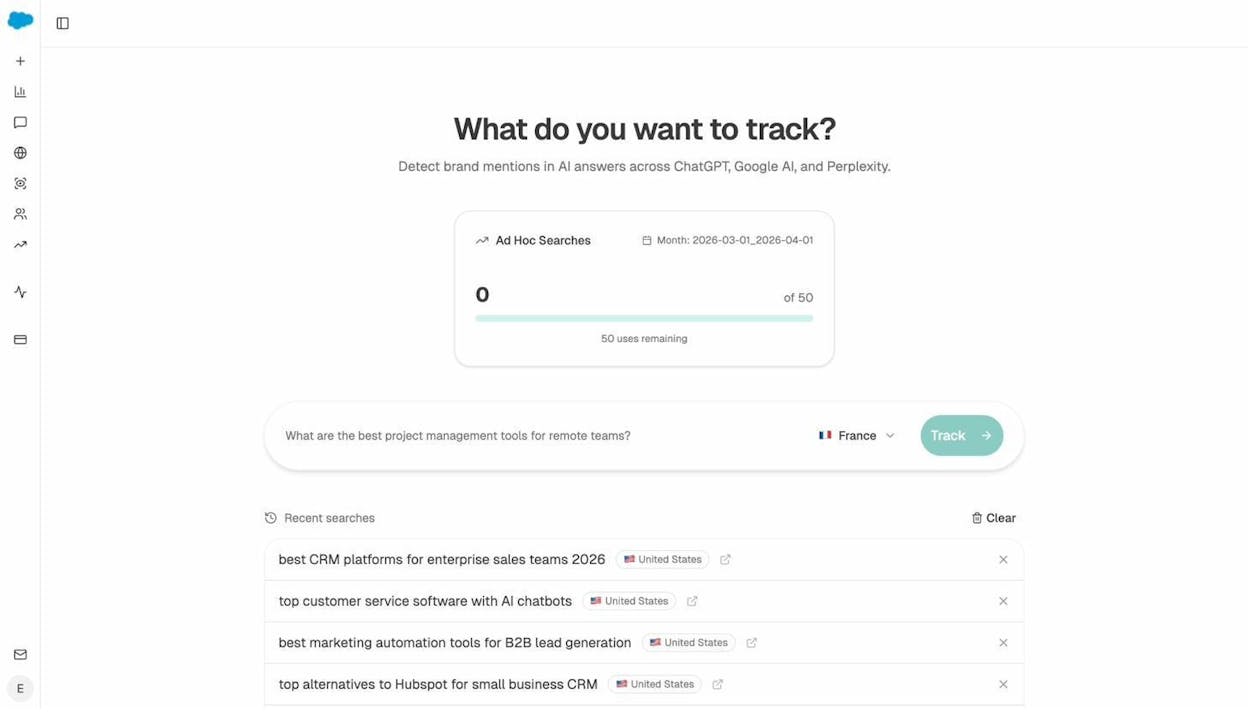
This is the AI search equivalent of checking the SERP before writing a blog post — a practice every SEO book on this list recommends. Analyze AI’s free SERP checker lets you do this for traditional search, while the Ad Hoc Prompt Searches feature does it for AI engines.
Measure AI Traffic to Your Site
The ultimate validation of your SEO and AI search efforts is traffic. Analyze AI connects with Google Analytics to show you exactly how many visitors come from AI engines, which pages they land on, and how that traffic trends over time.
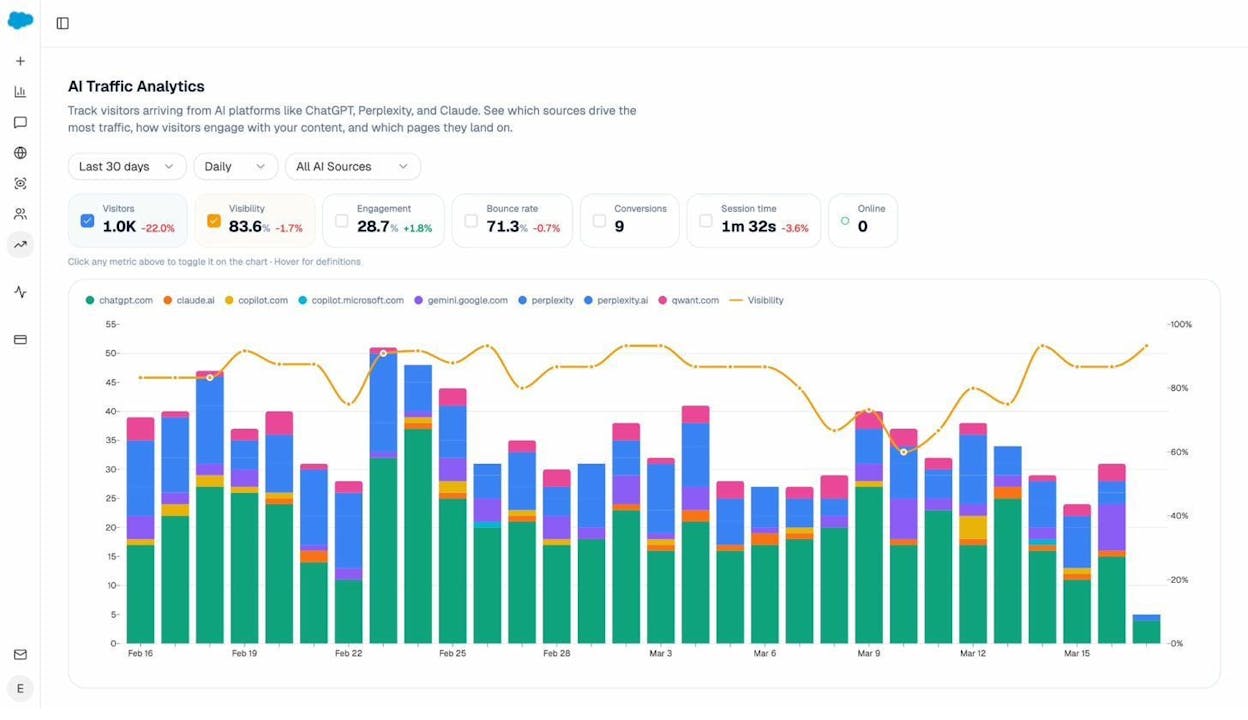
This closes the loop from the content strategies taught in every book on this list — from creating it, to ranking for it, to measuring whether AI engines send real visitors to it.
Quick Guide: Where to Learn SEO Beyond Books
Books give you depth. But SEO moves fast, and you need to stay current between editions. Here are the best supplementary resources, organized by type.
Blogs worth bookmarking:
-
Ahrefs Blog — Data-backed tutorials with a practical slant
-
Search Engine Land — Industry news and algorithm update coverage
-
Moz Blog — Beginner-friendly explanations of SEO concepts
-
Analyze AI Blog — Guides on AI search visibility, ranking on ChatGPT, and outranking competitors in AI search
Free tools to practice with:
-
Google Search Console — Monitor your site’s Google performance
-
Analyze AI Keyword Generator — Find keyword ideas for your content
-
Analyze AI Keyword Difficulty Checker — Assess how hard a keyword is to rank for
-
Analyze AI SERP Checker — See who currently ranks for any keyword
-
Analyze AI Website Authority Checker — Check the authority of any domain
-
Analyze AI Broken Link Checker — Find and fix broken links on your site
-
Analyze AI Keyword Rank Checker — Track where your pages rank
YouTube channels:
-
Ahrefs — Comprehensive SEO tutorials
-
Matt Diggity — Data-driven SEO experiments
-
Authority Hacker — Actionable traffic and conversion strategies
Newsletters:
-
SEOFOMO by Aleyda Solis — Curated SEO news and insights
-
Ahrefs’ Digest — Weekly marketing roundup
Final Thoughts
The best SEO book is the one you actually read and apply. Pick a book that matches your current level, work through it, and implement what you learn before picking up the next one.
But here is what none of these books will tell you (because most were written before it mattered): the search landscape is splitting. Google is still the dominant discovery channel, but AI answer engines are growing fast. The brands that will win over the next five years are the ones that build their SEO foundations on the principles taught in these books — and then extend those efforts into AI search.
SEO is not dead. It is expanding. The fundamentals — great content, clear structure, earned authority, genuine helpfulness — matter more than ever. They just matter in more places now.
If you want to see how your brand currently appears across AI search engines, Analyze AI gives you that visibility in minutes. Start with the free tools to check your keyword rankings and site authority, then explore how AI engines are representing your brand across ChatGPT, Perplexity, Gemini, and more.

Ernest

Ibrahim


