



Summarize this blog post with:


Most marketing teams have already used AI to write a blog post or summarize a meeting. That is not what this article is about. This article is about AI agents that run entire workflows on their own. Agents that research keywords, draft content briefs, enrich inbound leads, monitor your brand’s AI search visibility, and push reports to Slack before you finish your coffee.
The difference between a chatbot and an agent is autonomy. A chatbot answers a question. An agent takes a goal, breaks it into steps, uses tools, and completes the work. In 2026, the best marketing and sales enablement agents connect directly to your CRM, CMS, analytics, and SEO tools so they can act on the data instead of just summarizing it.
In this article, you’ll learn what AI agents for marketing and sales enablement actually do, how teams use them to run content production, keyword research, lead enrichment, and campaign ops at scale, and which eight platforms are worth evaluating in 2026. You’ll get honest pricing, real pros and cons, and a look at how the best platforms handle AI search visibility on top of traditional SEO workflows.
Table of Contents
What is an AI agent for marketing and sales enablement?
An AI agent for marketing and sales enablement is an autonomous system that uses large language models to reason through steps and complete work across your marketing and sales stack. Instead of switching between your keyword research tool, CMS, CRM, and analytics dashboard, an agent connects to all of them and runs multi-step workflows end to end.
The platforms on this list range from full-stack agentic platforms with 180+ workflow nodes to lightweight content copilots and sales enrichment tools.
How marketing and sales teams use AI agents
Content operations at scale. Agents research a topic, generate an outline, write a draft, score it for SEO and AI search optimization, and publish to your CMS. Teams running 20+ articles per month use agents to handle production while writers focus on original thinking.
Keyword research and competitive intelligence. Agents pull data from DataForSEO, Semrush, or Google Search Console, cluster keywords by intent, and generate prioritized briefs. The best platforms extend this into AI search by tracking which prompts mention your brand across ChatGPT, Perplexity, and Gemini.
Lead enrichment and sales enablement. Agents connected to your CRM enrich inbound leads with company data, verify emails, pull recent news, and attach a research brief to the deal before your sales rep sees the lead.
Content refresh and internal linking. Agents audit content for freshness, identify declining pages, suggest updates, and rewrite sections using your brand voice. Some can crawl your sitemap and suggest internal links at scale. If you are managing a site with 500+ pages, doing this manually is a full-time job. An agent handles it weekly in the background.
Campaign reporting and attribution. Scheduled agents pull data from GA4, Google Search Console, and your CRM every Monday morning, assemble a report, and deliver it to leadership before the standup. No analyst time required.
AI search visibility monitoring. AI search engines are becoming real traffic sources. Agents track which prompts mention your brand, compare your visibility against competitors, and flag drops before they compound. This is the use case that separates forward-thinking teams from everyone else, because the brands investing in AI search monitoring now will compound their advantage over the next two to three years.
How I chose the tools on this list
I tested over a dozen platforms and narrowed to eight based on five criteria. Can it complete multi-step workflows autonomously? Does it connect to your existing stack? How fast can a non-technical marketer get value? Does it handle both SEO and AI search? And is the product actively shipping improvements? That last point matters more than you might think. AI tooling is moving fast, and the platforms shipping meaningful updates monthly are the ones worth committing your workflows to.
8 best AI agents for marketing and sales enablement in 2026
-
Analyze AI
-
HubSpot Breeze AI
-
Jasper
-
Copy.ai
-
Clay
-
Gumloop
-
Salesforce Agentforce
-
Relevance AI
1. Analyze AI
-
Best for: Marketing teams, agencies, and content ops teams that need one platform for SEO, AI search visibility, content production, and GTM automation
-
Pricing: Free trial available, then tiered plans based on team size and visibility scope
-
What I like: 180+ workflow nodes, 34 pre-built data recipes, a full content writer and optimizer, and the only platform on this list that natively tracks AI search visibility and ties it to revenue
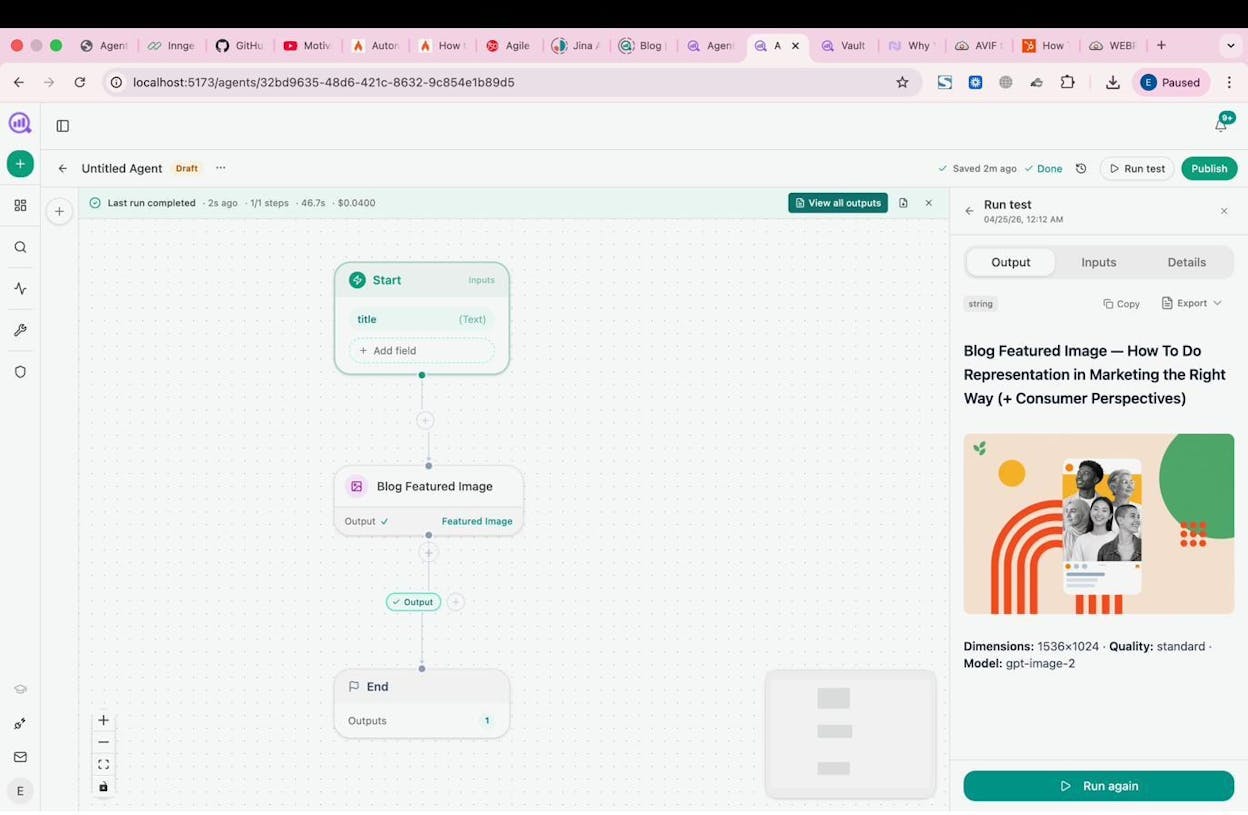
Analyze AI is the agentic platform for SEO, AEO, content, and GTM operations. Where most tools on this list handle one or two parts of the marketing workflow, Analyze AI covers the full surface from keyword research to content creation to AI visibility monitoring to lead enrichment, all connected through an Agent Builder with 180+ nodes and 34 pre-built data recipes.
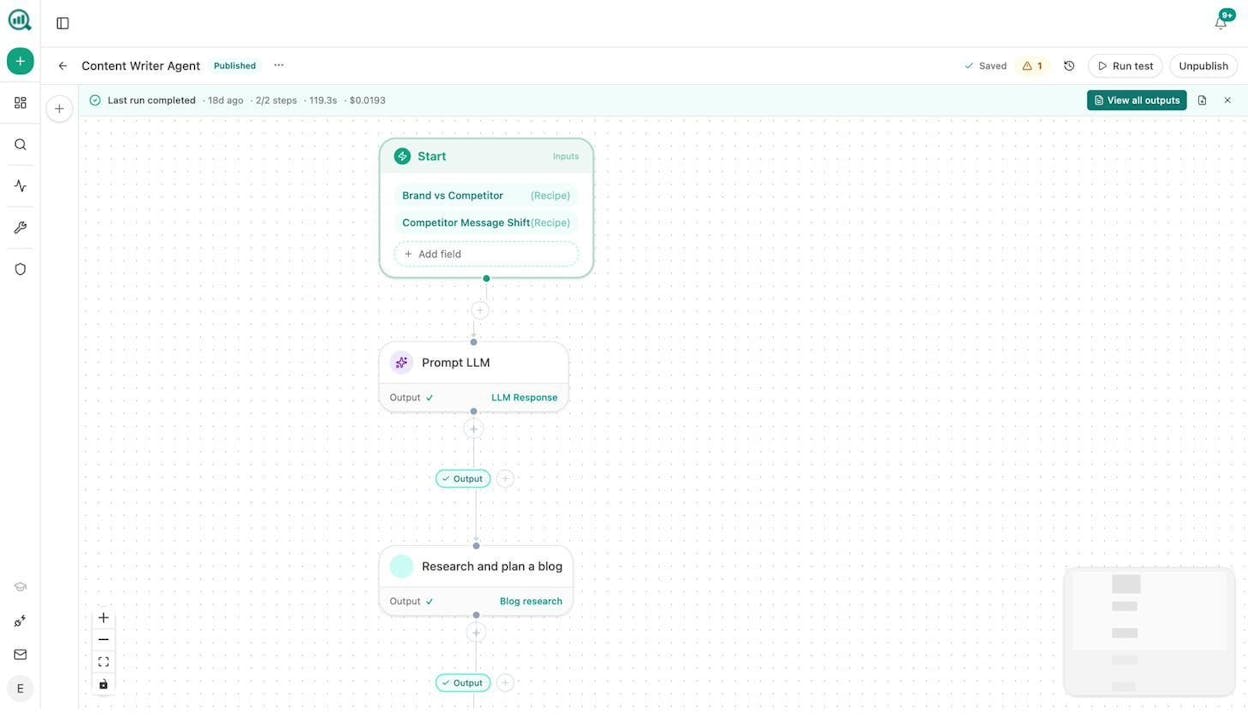
The Agent Builder is the core differentiator. It is not an automation layer. It is a programmable substrate with nodes for GA4, Google Search Console, Semrush, DataForSEO, HubSpot, WordPress, Notion, Contentful, Mailchimp, Hunter.io, Tomba, and 170+ more. You can build a content pipeline that generates research, creates an outline, writes a full draft in your brand voice, scores it for AI search readiness, and publishes to WordPress, all from a single agent running on a schedule or fired from a webhook.
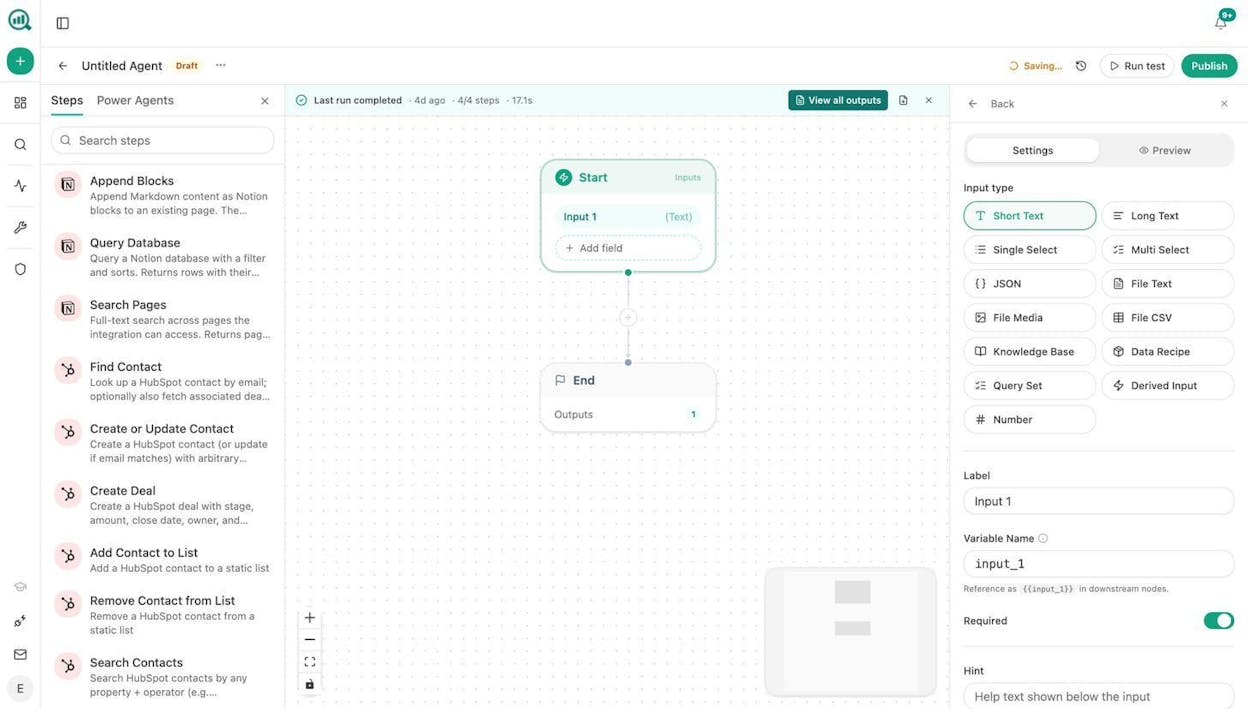
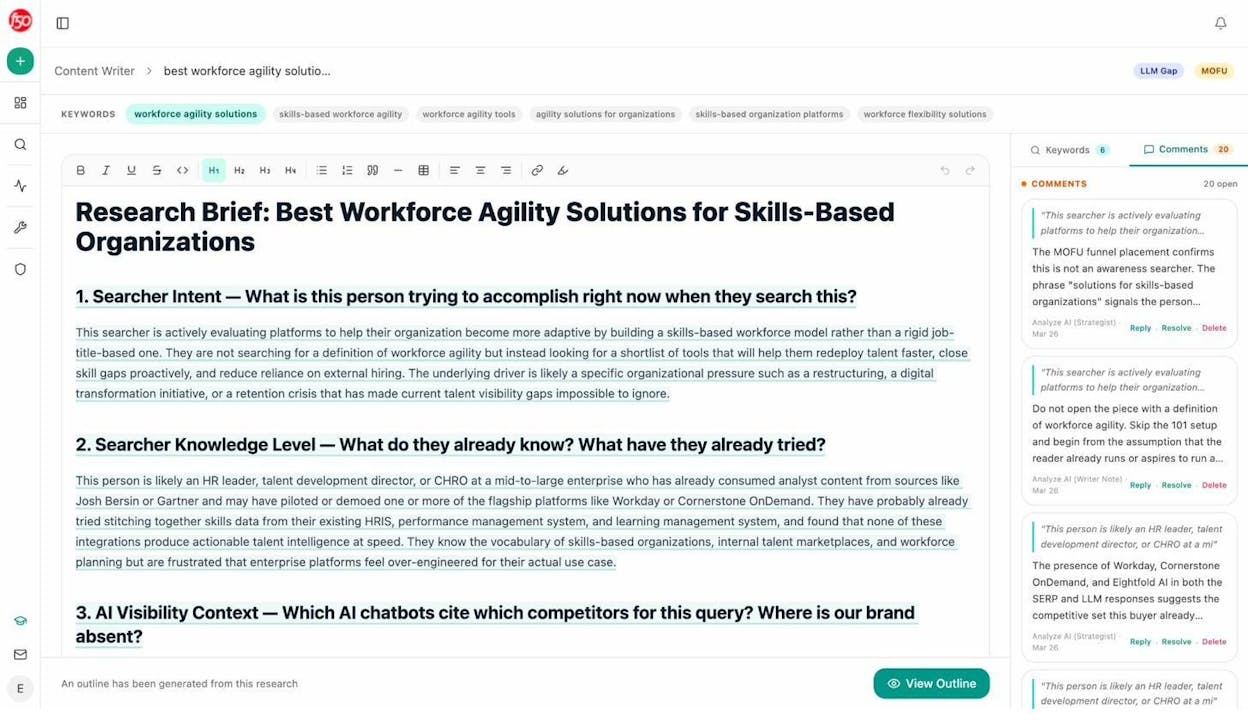
The Content Writer and Content Optimizer produce stronger outputs than most standalone AI writing tools because the platform follows a multi-step research, outline, and draft process with your Brand Vault injected at every stage. Your tone, style, proof points, differentiators, and disallowed phrases are all enforced automatically.
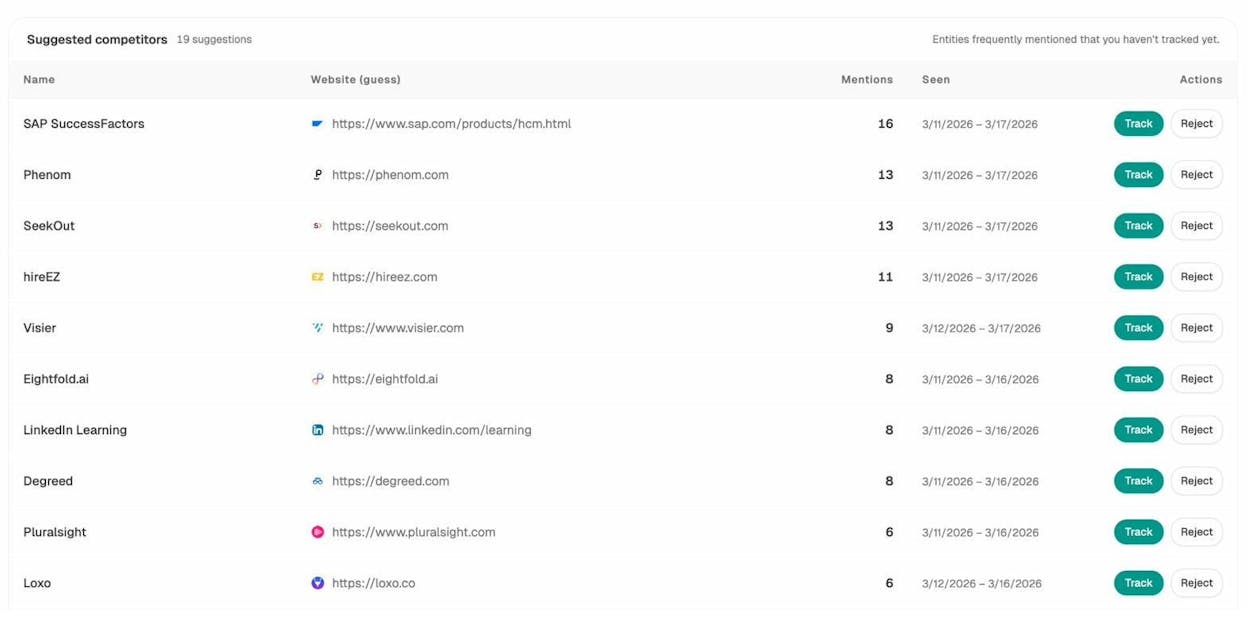
What truly sets Analyze AI apart is AI search visibility. The platform tracks how your brand appears in responses from ChatGPT, Perplexity, Gemini, and other AI engines through Prompt Tracking, Citation Analytics, AI Traffic Analytics, and a Competitors dashboard that shows where rivals win and you do not.
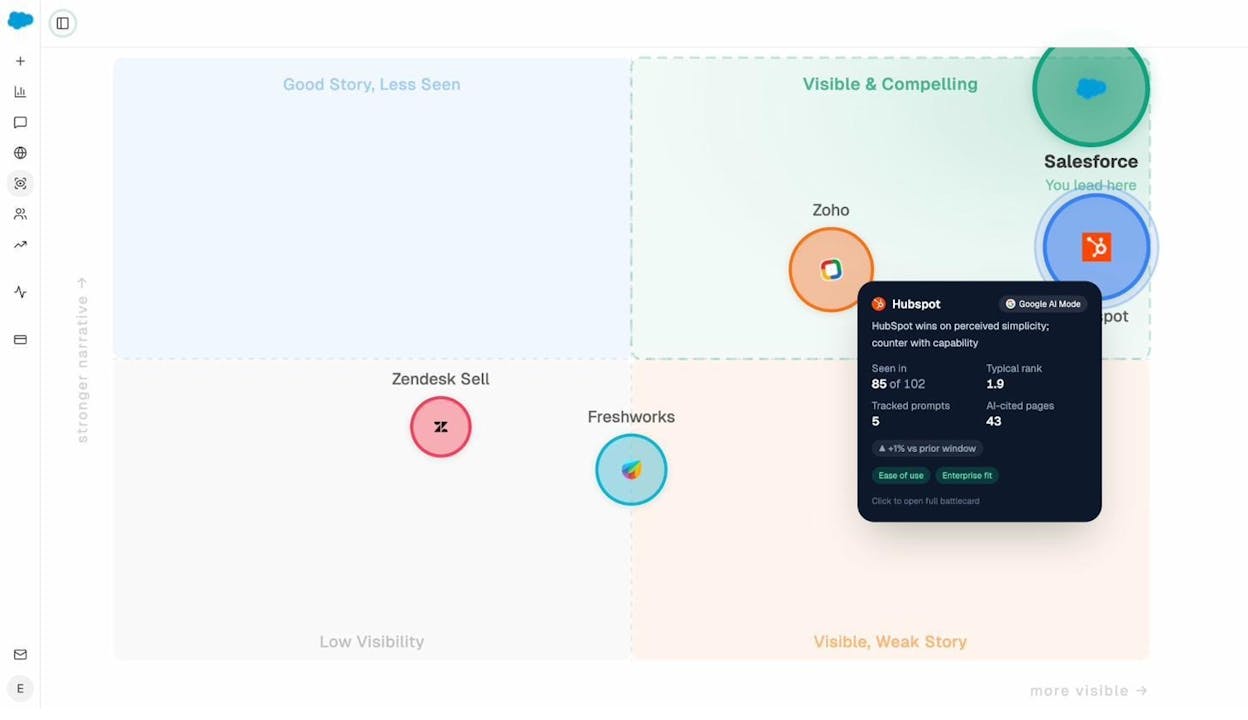
The Perception Map plots your brand against competitors on a quadrant of visibility vs. narrative strength. Weekly Email Digests deliver automated reports so you never have to log in to spot problems.
For agencies, the Agent Builder is where margin lives. Build one workflow, loop it over a client list, and run Monday briefings, monthly retainer reports, and pitch deck generators for every client from a single agent. The Sheets feature runs bulk operations like keyword research, internal linking audits, and content scoring across hundreds of rows.
Here is what a content pipeline agent looks like in practice. A scheduled trigger fires every Sunday night. The agent pulls uncovered prompts and keyword opportunities from DataForSEO, clusters them into editorial topics, generates research, builds an outline, writes a full draft with brand voice injected, scores it against the AEO Content Scorecard, and if above 80, publishes to WordPress. If below 80, it sends the gaps to the writer via Slack.
What I like: 180+ nodes across 16 categories. Three trigger modes (manual, scheduled, webhook). Content Writer and Optimizer with Brand Vault injection. Native AI search visibility tracking. AI Traffic Analytics connecting referrals to conversion events. 34 data recipes for competitive intelligence and content performance. Free tools for keyword research, keyword difficulty, SERP checking, rank tracking, and website traffic analysis.
What could improve: Learning curve for building complex multi-step agents from scratch (pre-built recipes help). Some integrations like Gmail and Google Sheets are coming soon.
Pricing: Free trial available. Paid plans tiered by team size, prompt volume, and AI visibility scope. See tryanalyze.ai/pricing. The pricing is straightforward compared to credit-based models on this list, where you often need a spreadsheet just to forecast your monthly spend.
2. HubSpot Breeze AI
-
Best for: Teams already on HubSpot that want AI agents inside their CRM
-
Pricing: Requires Professional ($800+/month) or Enterprise plans, plus $0.50/resolved conversation and $1/qualified lead
-
What I like: Outcome-based pricing means you pay when the agent delivers, not when it runs
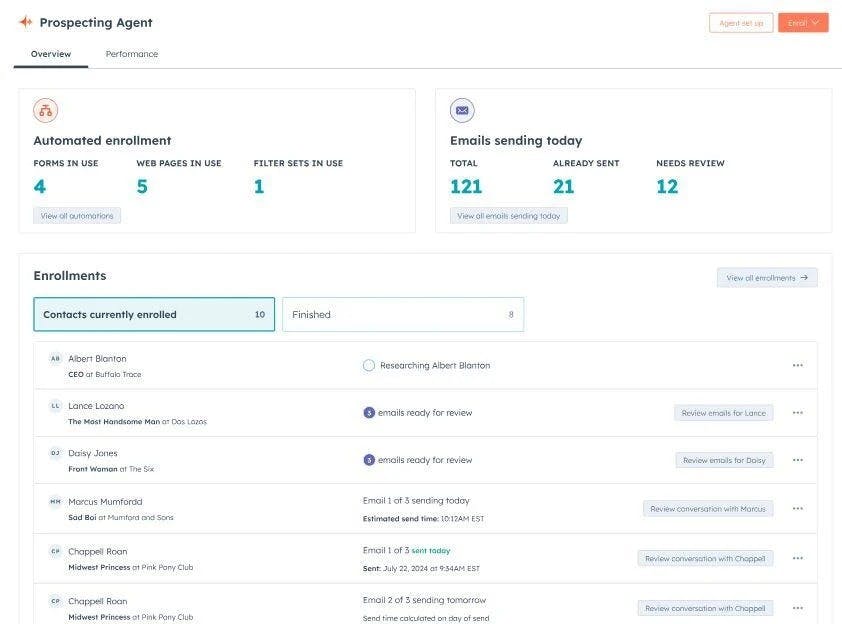
HubSpot Breeze AI is the AI layer built into the HubSpot CRM. The Prospecting Agent researches enrolled contacts, evaluates ICP fit, and recommends leads at $1 per qualified lead. The Content Agent drafts blog posts, landing pages, and social copy inside HubSpot’s content tools. Breeze Intelligence enriches CRM data with company and contact information.
The biggest advantage is context. If your team already runs on HubSpot, the AI has full visibility into contacts, deals, tickets, and content without a new integration.
What could improve: All AI features draw from one credit pool, so heavy usage in one area starves another. Advanced features require $800+/month plans. No AI search visibility tracking. Content and SEO capabilities are not as deep as purpose-built tools.
Pricing: Professional starts at $800+/month. Customer Agent at $0.50/resolved conversation. Prospecting Agent at $1/lead. G2 rating of 4.4/5.
3. Jasper
-
Best for: Marketing teams that need an AI writing copilot with brand voice consistency
-
Pricing: Pro at $59/month per seat (annual), Business is custom
-
What I like: Brand Voice trains AI on your content so outputs match your tone
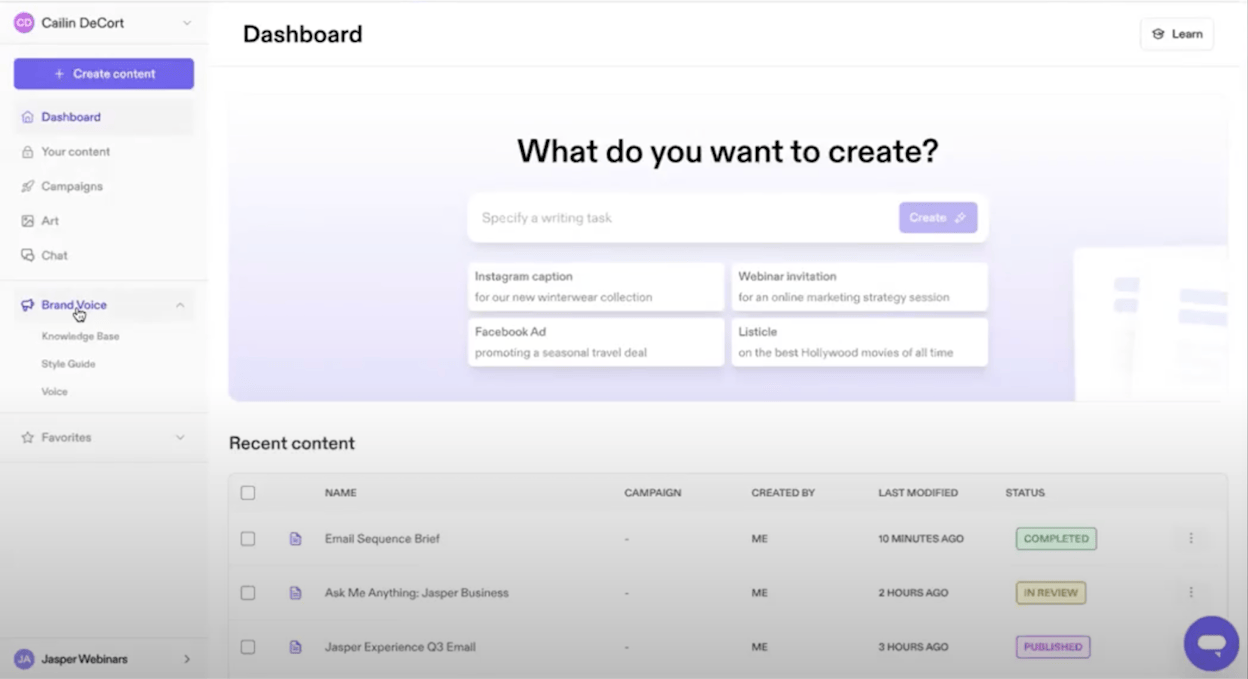
Jasper is an AI marketing copilot for producing on-brand content. The Brand Voice feature trains on your existing content and applies your tone to everything it generates. Campaign tools create multi-asset campaigns from a single brief.
What could improve: No agent builder or workflow automation. No AI search visibility. Per-seat pricing gets expensive fast. SEO optimization requires a separate Surfer SEO subscription ($89+/month). Limited to content creation only.
Pricing: Pro at $59/month (annual), Business is custom. G2 rating of 4.7/5.
4. Copy.ai
-
Best for: GTM teams wanting pre-built AI workflows for content and sales ops
-
Pricing: Free plan, Pro at $49/month
-
What I like: Unlimited word generation on paid plans and pre-built GTM workflow templates
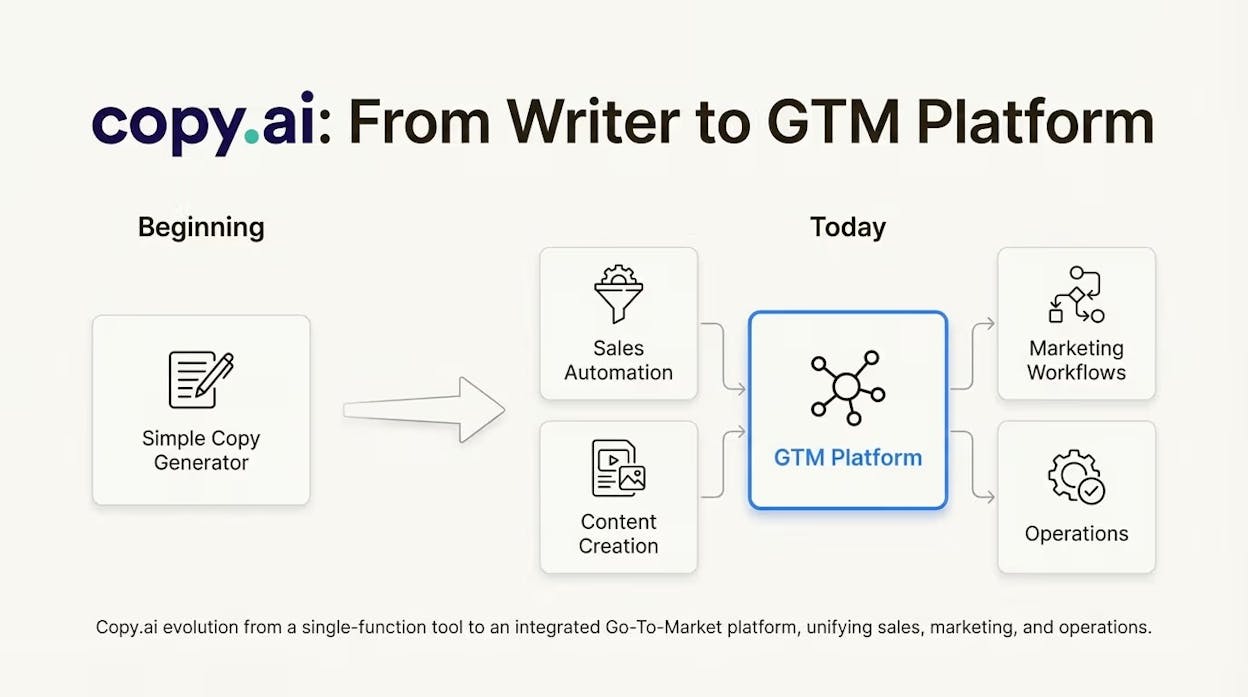
Copy.ai evolved from an AI copywriting tool into a GTM platform with workflow automation. Unlimited words on Pro and 90+ templates make it cost-effective for high-volume content. The Team plan ($249/month) unlocks production-scale automation with workflow credits.
What could improve: Serious automation requires the $249/month Team plan. No native SEO tooling or AI search visibility. Workflow depth does not match purpose-built agent platforms.
Pricing: Free (2,000 words/month), Pro $49/month, Team $249/month. G2 rating of 4.7/5.
5. Clay
-
Best for: Sales and revenue ops teams needing flexible data enrichment at scale
-
Pricing: Free plan, Launch at $185/month, Growth at $495/month
-
What I like: 75+ data providers in one interface with waterfall enrichment
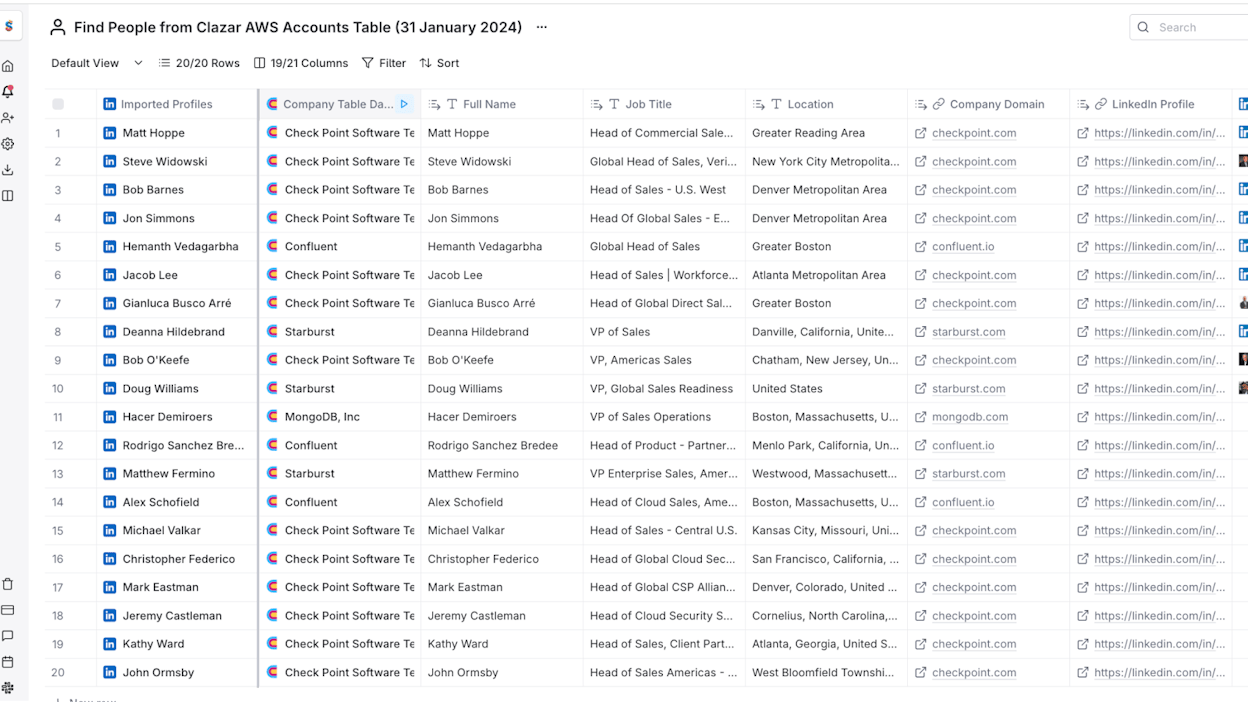
Clay aggregates 75+ data providers into a spreadsheet-like interface for building enrichment workflows. Waterfall enrichment tries multiple providers until it finds the data. The March 2026 overhaul dropped data costs 50-90%.
What could improve: Failed lookups still consume credits. CRM sync requires the $495/month Growth plan. LinkedIn enrichment needs Sales Navigator ($99/month extra). No content, SEO, or AI search capabilities.
Pricing: Free (100 credits/month), Launch $185/month, Growth $495/month. G2 rating of 4.9/5.
6. Gumloop
-
Best for: Teams wanting a general-purpose AI agent builder for custom workflows
-
Pricing: Free plan, Pro at $37/month
-
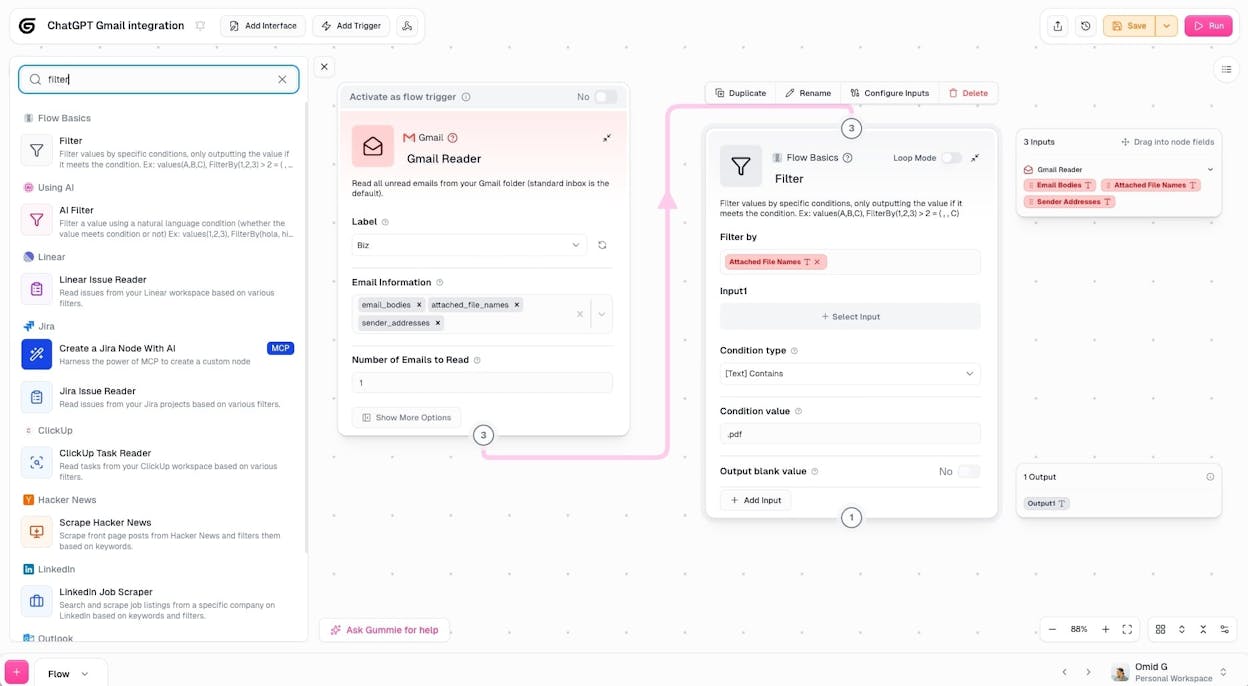
What I like: Clean visual builder and MCP server integrations
Gumloop is a general-purpose AI agent builder for any business function. You build from general primitives with MCP server connectivity. Strong flexibility, but no pre-built marketing nodes, SEO tooling, or AI search visibility features.
What could improve: No native SEO, content marketing, or AI search capabilities. Everything must be built from general-purpose nodes.
Pricing: Free (5,000 credits), Pro $37/month, Enterprise custom. G2 rating of 4.8/5.
7. Salesforce Agentforce
-
Best for: Enterprise teams already on Salesforce
-
Pricing: Free tier (Foundations), then $2/conversation or $0.10/action via Flex Credits
-
What I like: Deep Salesforce integration gives agents full CRM context
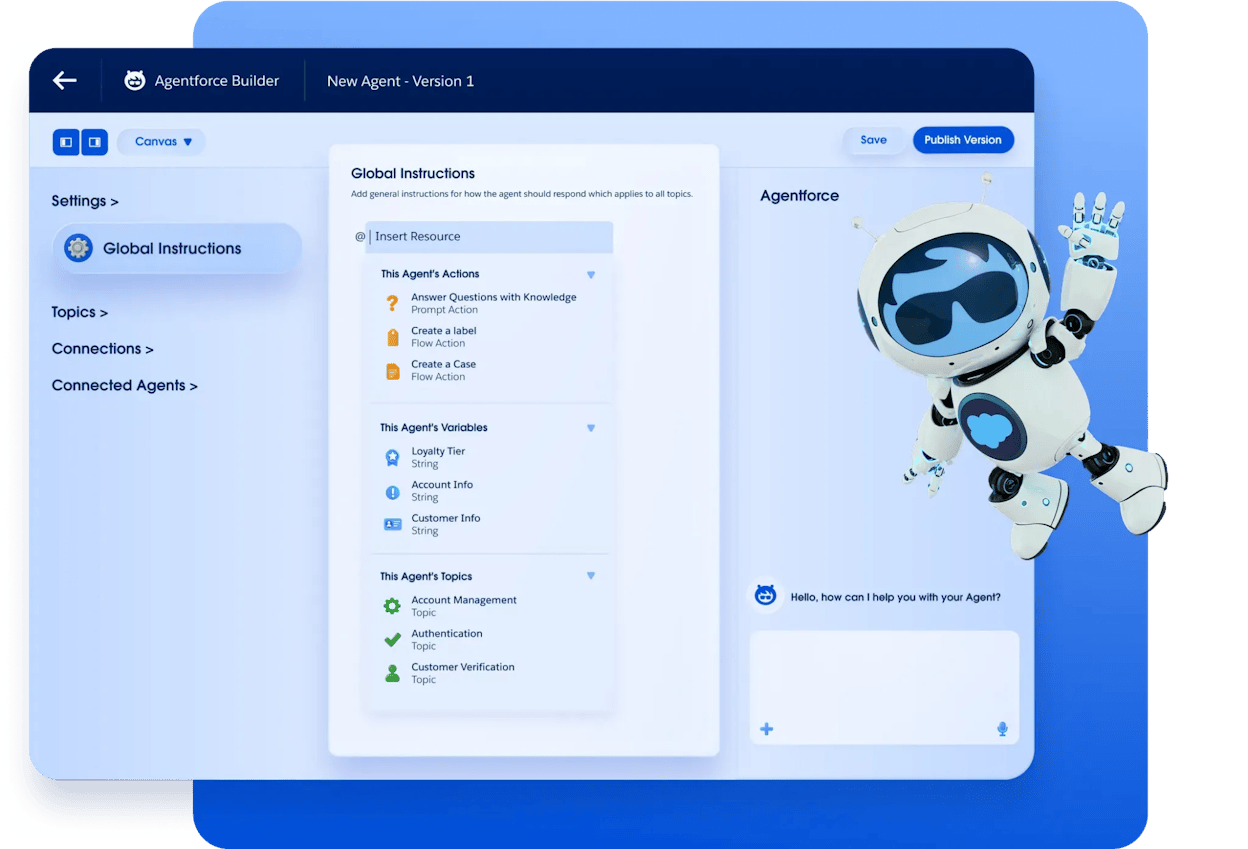
Agentforce builds autonomous agents inside the Salesforce ecosystem for sales, service, and marketing tasks. Three pricing models run concurrently. Salesforce Foundations provides 200,000 free Flex Credits to start.
What could improve: Requires Salesforce Enterprise Edition. Full deployment needs a Data Cloud subscription starting at $108,000/year. Year 1 costs realistically run $150,000 to $600,000. No SEO, content, or AI search capabilities.
Pricing: Foundations free. Flex Credits $500/100K. Conversations $2 each. Per-user licenses $125+/month. G2 rating of 4.3/5.
8. Relevance AI
-
Best for: GTM teams building custom multi-agent systems without code
-
Pricing: Free plan, Pro at $19/month, Team at $234/month (annual)
-
What I like: Multi-agent architecture and BYOK option with zero AI model markup
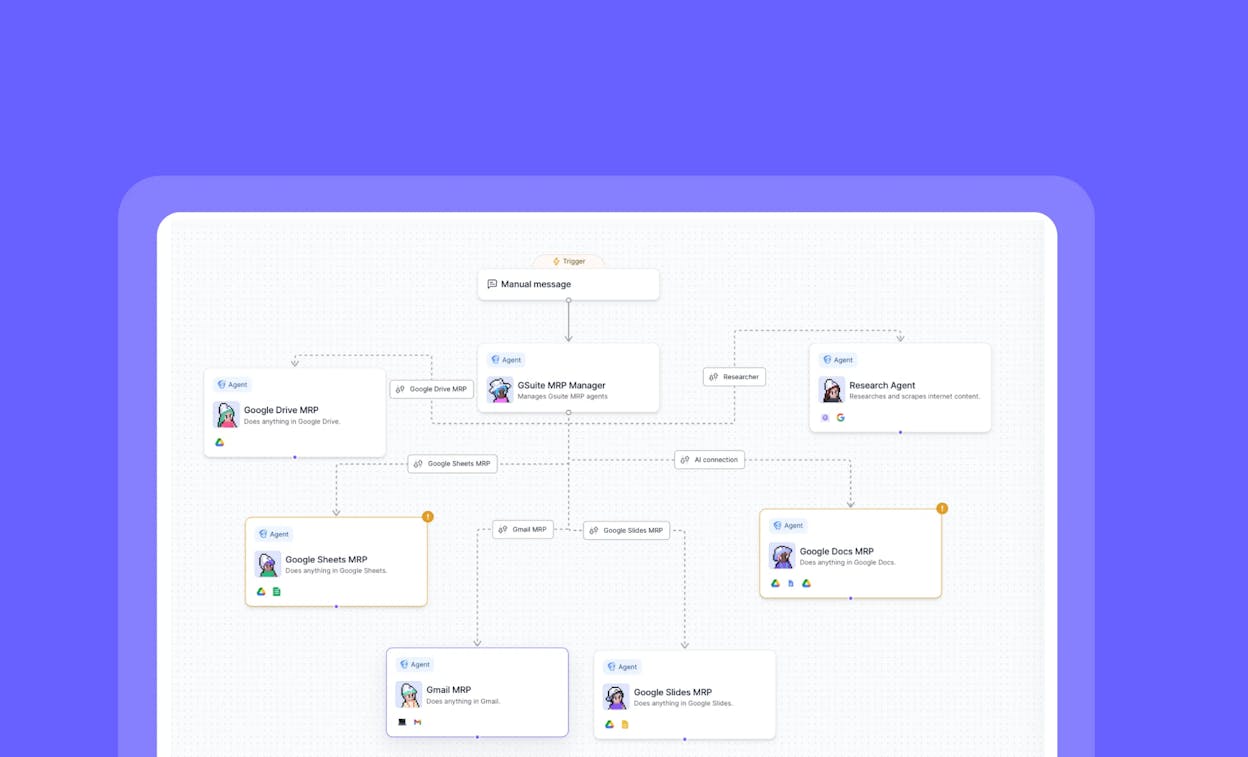
Relevance AI is a no-code platform for building agent teams that hand off tasks to each other. The dual-meter model separates platform Actions from AI Vendor Credits (passed through at provider rates). Paid plans let you bring your own API keys.
What could improve: No native SEO, content optimization, or AI search visibility. Dual-meter pricing makes costs harder to predict. Limited pre-built marketing workflows.
Pricing: Free (200 Actions/month), Pro $19/month, Team $234/month. G2 rating of 4.5/5.
Which tool should you use?
If you want one platform for content production, SEO, AI search visibility, competitive intelligence, and GTM automation, Analyze AI is the only tool on this list that covers all of it. The 180+ node Agent Builder with integrations to GA4, GSC, Semrush, DataForSEO, HubSpot, and WordPress means you stop stitching together five tools. And the AI search visibility layer gives you a channel that most competitors here do not even acknowledge. Start a free trial and see for yourself.
If you are deep in HubSpot, Breeze AI layers in with the least friction. If you need sales enrichment, Clay is the strongest option and pairs well with Analyze AI for the content and visibility layer. If brand voice consistency is your top priority, Jasper is a solid copilot. And for maximum flexibility building agents from scratch, Gumloop and Relevance AI offer strong general-purpose builders at accessible prices.
Every team on this list needs AI search visibility. SEO is not dead. But AI search is a real organic channel now, and the brands that track it, optimize for it, and compound their presence in AI answers will win the next five years. That is what the data shows.

Ernest

Ibrahim


