



Summarize this blog post with:


We tested these tools by tracking over 10,000 prompts across six AI engines and comparing each platform’s ability to help you show up in both traditional and AI-powered search results.
In this article, you’ll learn which AI SEO tools are worth your time and budget in 2026. You’ll see what each tool does well, where it falls short, and how to decide which ones fit your workflow. You’ll also learn how to extend your SEO efforts into AI search, where platforms like ChatGPT, Perplexity, and Gemini are quietly reshaping how buyers discover brands.
Table of Contents
TL;DR
|
Tool |
What it does |
AI search support |
Starting price |
|---|---|---|---|
|
Tracks your brand across AI engines, optimizes content for citations, automates SEO and marketing workflows |
Native. Built for AI search |
$99/mo |
|
|
Semrush AI Toolkit |
Monitors brand mentions in AI Overviews and ChatGPT |
Add-on module |
$99/mo add-on |
|
Surfer SEO |
Scores and optimizes content against top-ranking pages |
Indirect. Helps content get cited |
$99/mo |
|
AlsoAsked |
Maps People Also Ask queries into visual topic clusters |
Indirect. Mirrors AI query fan-out |
Free (3/day) |
|
Keyword Insights |
Clusters keywords and generates briefs at scale |
Indirect. Social source tracking |
$58/mo |
|
SparkToro |
Reveals where your audience spends time and what they care about |
Shows AI tool usage by audience |
$50/mo |
|
AirOps |
Automates multi-step SEO and content workflows |
Template-based AEO refresh |
Free (Solo) |
|
Screaming Frog |
Crawls sites for technical SEO issues with optional AI prompts |
Minimal. AI-assisted audits |
$279/yr |
What Makes an AI SEO Tool Worth Using
Most SEO software still operates as if Google is the only place people search. That was true five years ago. Today, a growing share of your audience asks ChatGPT for product recommendations, uses Perplexity to compare vendors, or gets answers from Gemini before they ever click a search result.
An AI traffic study by Analyze AI found that 63% of websites already receive traffic from AI engines. That number is climbing. The tools on this list were chosen because they help you compete in this new reality, not just in traditional rankings.
The strongest AI SEO tools do three things. First, they give you visibility into how AI engines talk about your brand. Second, they help you create content that both search engines and language models want to cite. Third, they connect insights to action so you can move fast without adding headcount.
Here is how each tool stacks up.
1. Analyze AI
What it does. Analyze AI is an AI search analytics platform that tracks how your brand appears across ChatGPT, Perplexity, Gemini, Copilot, Claude, and other AI engines. It measures AI visibility, sentiment, citations, traffic, and competitor positioning in one dashboard.
Who it’s for. CMOs, content teams, agency owners, and SEO professionals who need to understand and grow their presence in AI-powered search alongside traditional SEO.
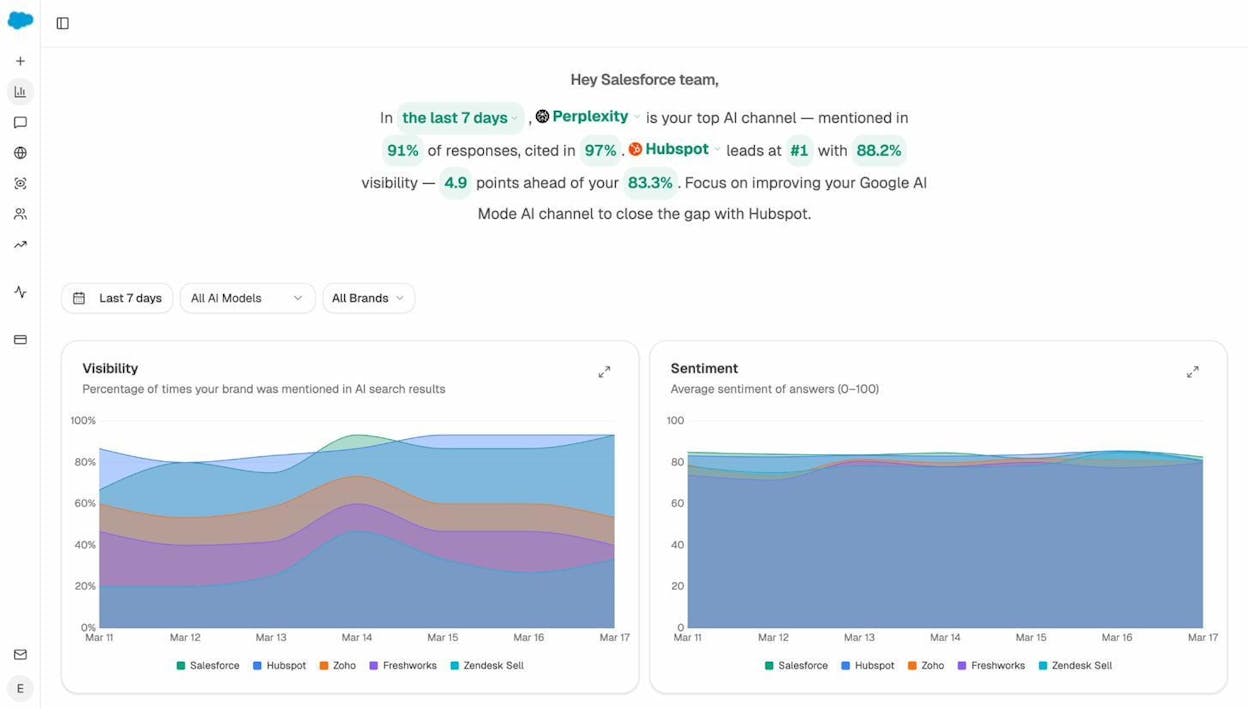
The Overview dashboard shows your visibility percentage, sentiment score, and competitive positioning at a glance. You can filter by AI model, date range, and brand to see exactly where you stand and where you are losing ground.
Prompt tracking and competitor intelligence
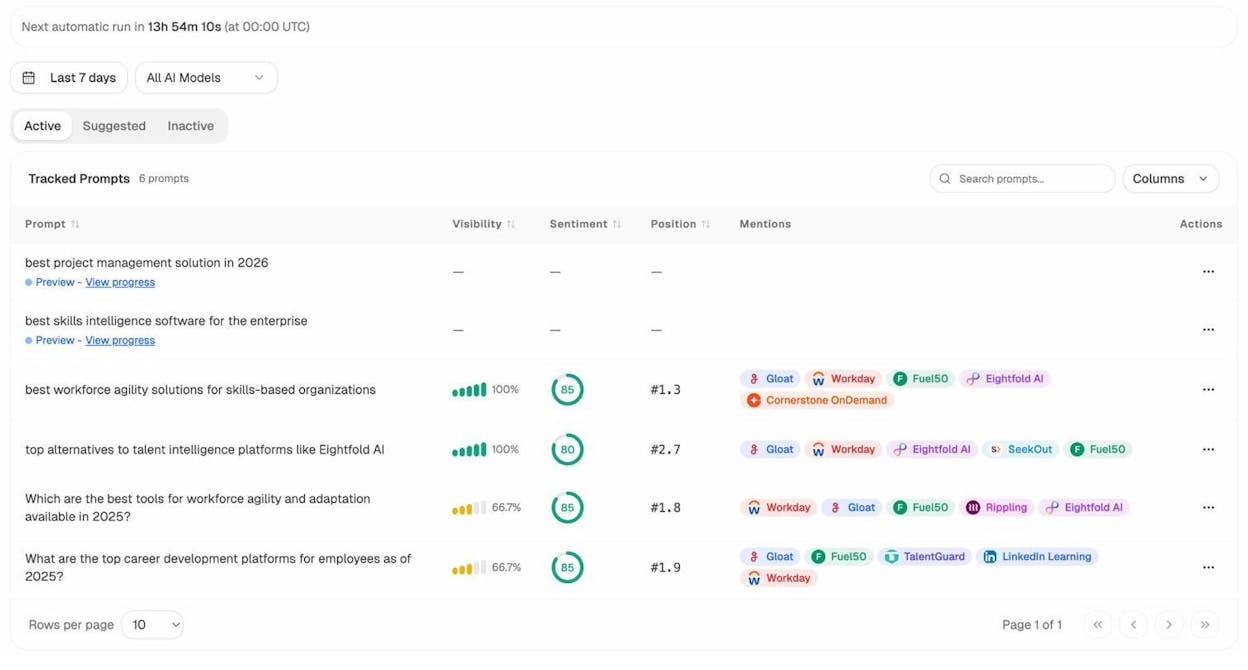
Prompt tracking works like rank tracking for AI. You monitor specific prompts across engines and see which brands get recommended. If a competitor overtakes you on a prompt that drives pipeline, you know immediately.
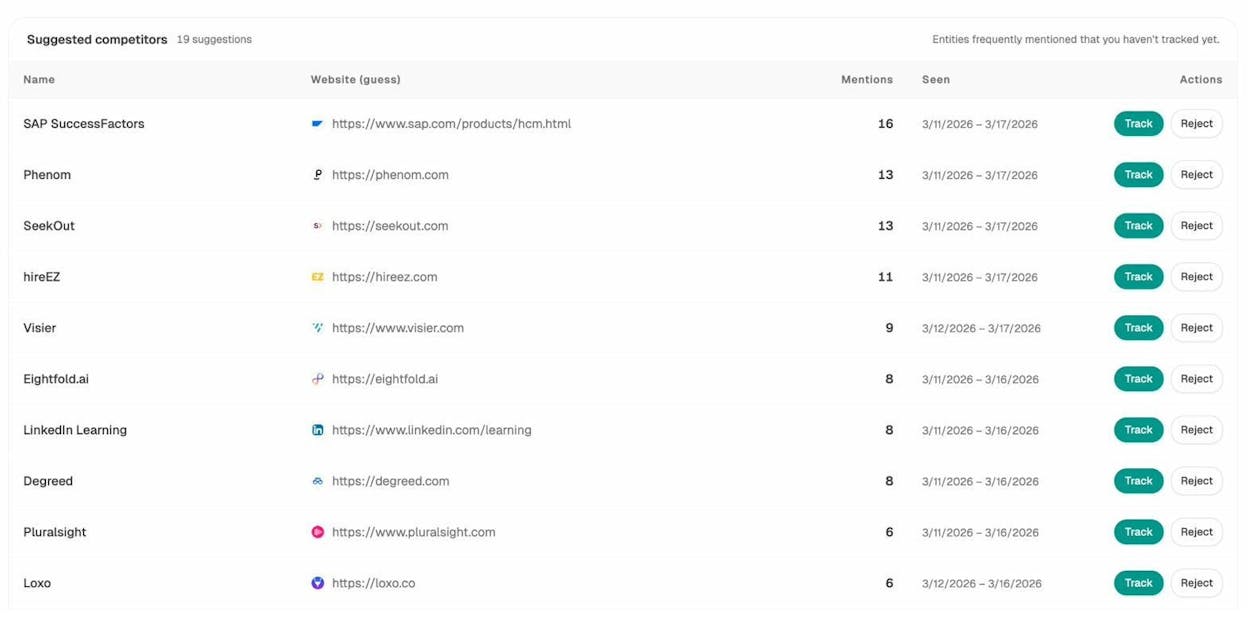
The Competitor Intelligence dashboard surfaces brands that AI engines mention alongside yours. It also suggests competitors you may not be tracking yet, based on how often they appear in the same prompt responses.
Citation and source analytics
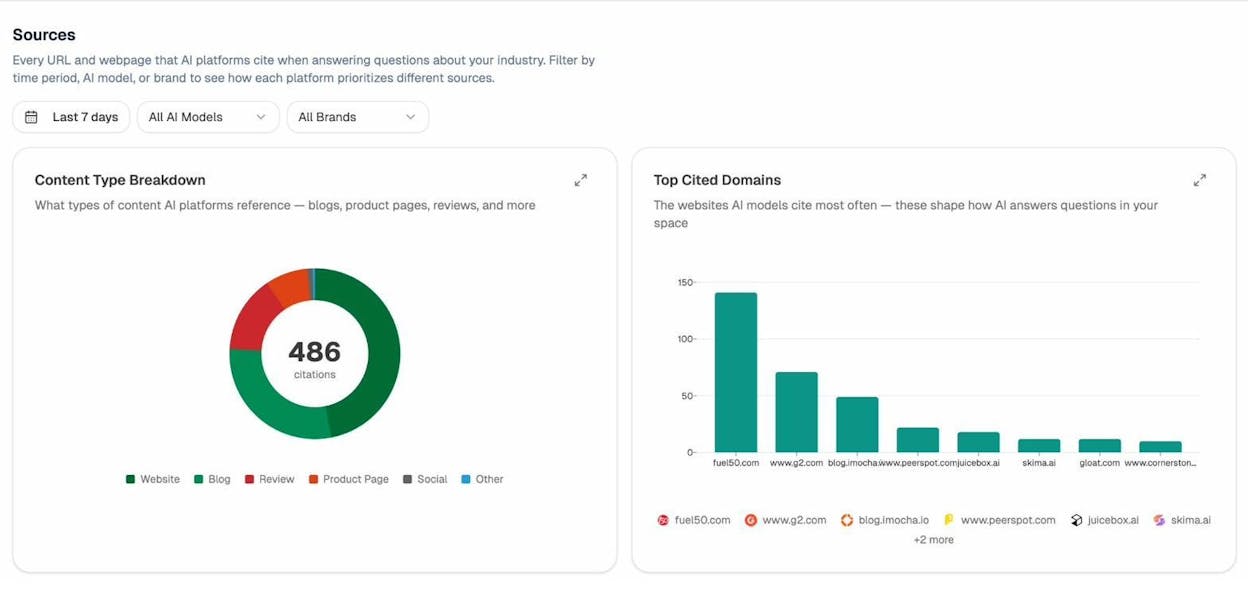
The Sources dashboard reveals which URLs and domains AI engines cite when answering prompts in your space. You can see which sources your competitors earn citations from and where you have gaps. This turns citation-building from guesswork into a targeted effort.
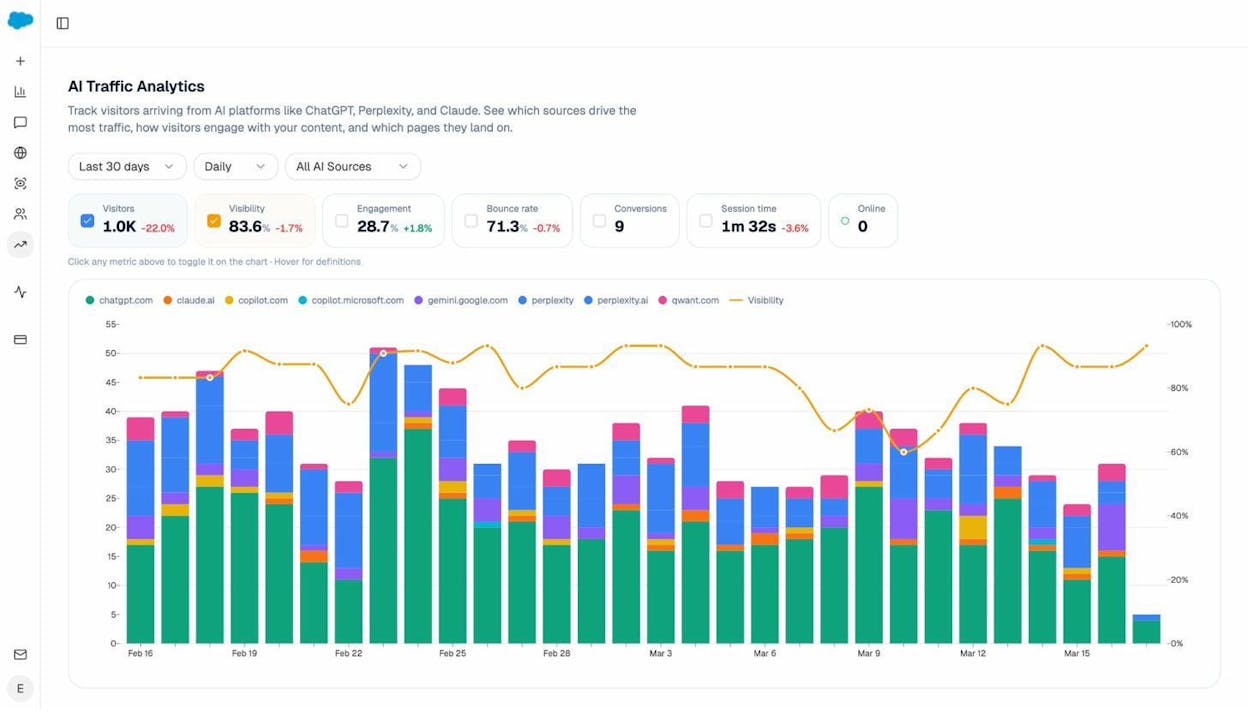
AI traffic analytics
AI Traffic Analytics connects to your Google Analytics and shows how many visitors arrive from AI engines, which pages they land on, and how that traffic converts. This is the data your CMO needs to justify investing in AI search optimization.
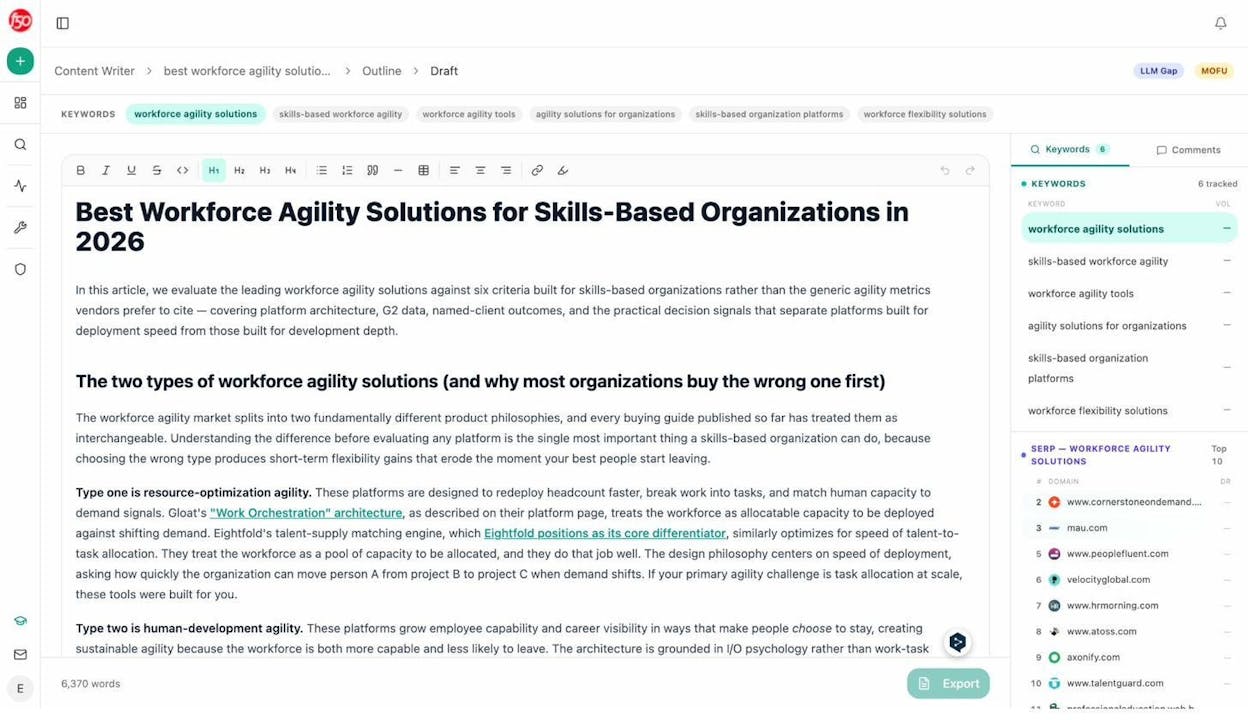
Content writer and optimizer
The Content Writer generates research-backed drafts with SERP and AI engine analysis built into every step. The Content Optimizer audits existing pages and identifies gaps in structure, claims, and proof points that prevent AI citation.
Agent builder
This is where Analyze AI separates from every other tool on this list. The Agent Builder is a visual workflow engine with 180+ nodes that connects to GA4, Google Search Console, Semrush, DataForSEO, HubSpot, Notion, WordPress, Mailchimp, and more.
You can build agents that run on a schedule, fire from a webhook, or launch manually. A content team can set up an agent that finds declining pages every Monday, rewrites them for AI readiness, and publishes the update to WordPress without anyone clicking a button. An agency can build a single workflow that generates client reports across every account and emails them before the Monday standup.
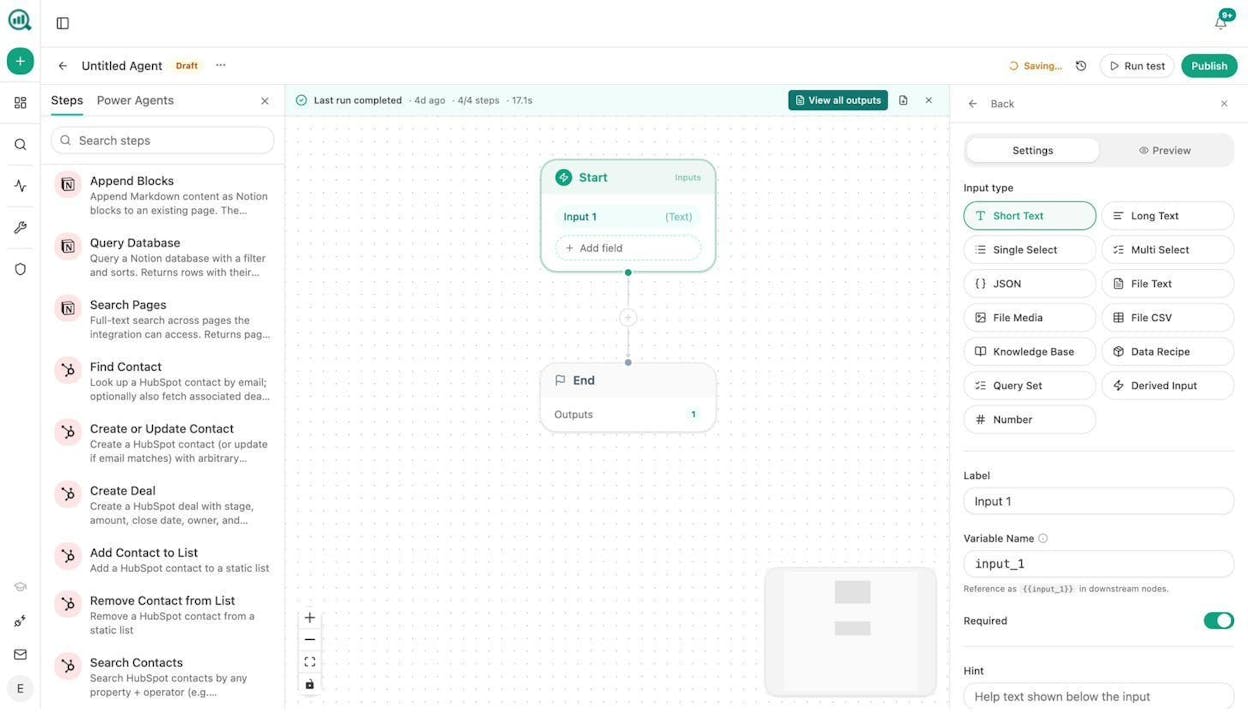
The agent builder is not a simple automation layer. It is a programmable substrate with 34 pre-built data recipes, 12 Brand Vault blocks for voice consistency, and nodes for everything from competitor research to CRM enrichment to image generation. You can build a crisis early-warning system that checks brand mentions every 15 minutes and drafts a response before your CEO hears about it. You can wire a webhook to HubSpot so every closed deal triggers a case-study draft. The surface area covers SEO automation, content operations, PR, sales enablement, and executive reporting.
What stands out. No other AI SEO tool gives you AI visibility tracking, content optimization, and a full-scale workflow engine in one platform. The agent builder alone replaces the need for separate workflow tools.
What to watch. Analyze AI is focused on AI search analytics and content optimization. If you need deep backlink indexes or traditional rank tracking, you will pair it with a tool like Ahrefs or Semrush.
2. Semrush AI Visibility Toolkit
What it does. Semrush added an AI Visibility Toolkit as a $99/month add-on to its existing plans. It tracks how often your brand appears in AI-generated answers across Google AI Overviews and ChatGPT, and benchmarks you against competitors.
Who it’s for. Teams already using Semrush who want to add AI search tracking to their existing SEO stack.
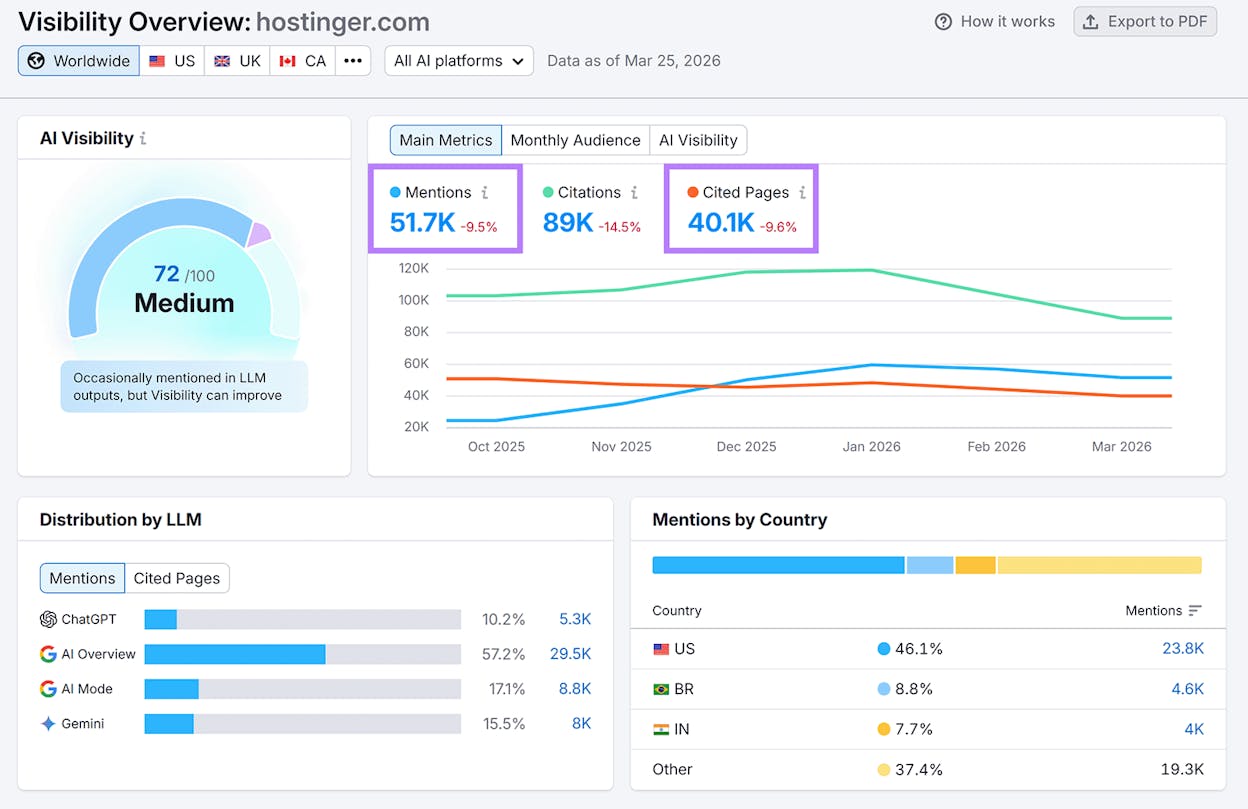
The toolkit includes an AI Visibility Score, estimated monthly audience from AI mentions, and trend graphs. The Brand Performance report shows share of voice versus sentiment, helping you understand not just how often you appear but how AI frames your brand.
Prompt tracking inside Semrush works similarly to traditional keyword rank tracking. You add prompts and monitor your brand’s position across ChatGPT and Google AI Mode.
What stands out. If you already pay for Semrush, adding the AI module keeps everything in one interface. The competitor analysis features are strong because they build on Semrush’s existing domain intelligence.
What to watch. The $99 add-on sits on top of plans that already start at $139.95/month. For teams that need AI search data but not the full Semrush suite, that total cost adds up fast. The AI module also lacks content optimization for AI citation readiness and does not include workflow automation.
3. Surfer SEO
What it does. Surfer SEO analyzes top-ranking pages for any keyword and translates the patterns into on-page recommendations. It scores your draft against benchmarks for word count, headings, keyword coverage, and media depth.
Who it’s for. Content writers and teams who want data-driven guidance while drafting or updating articles.
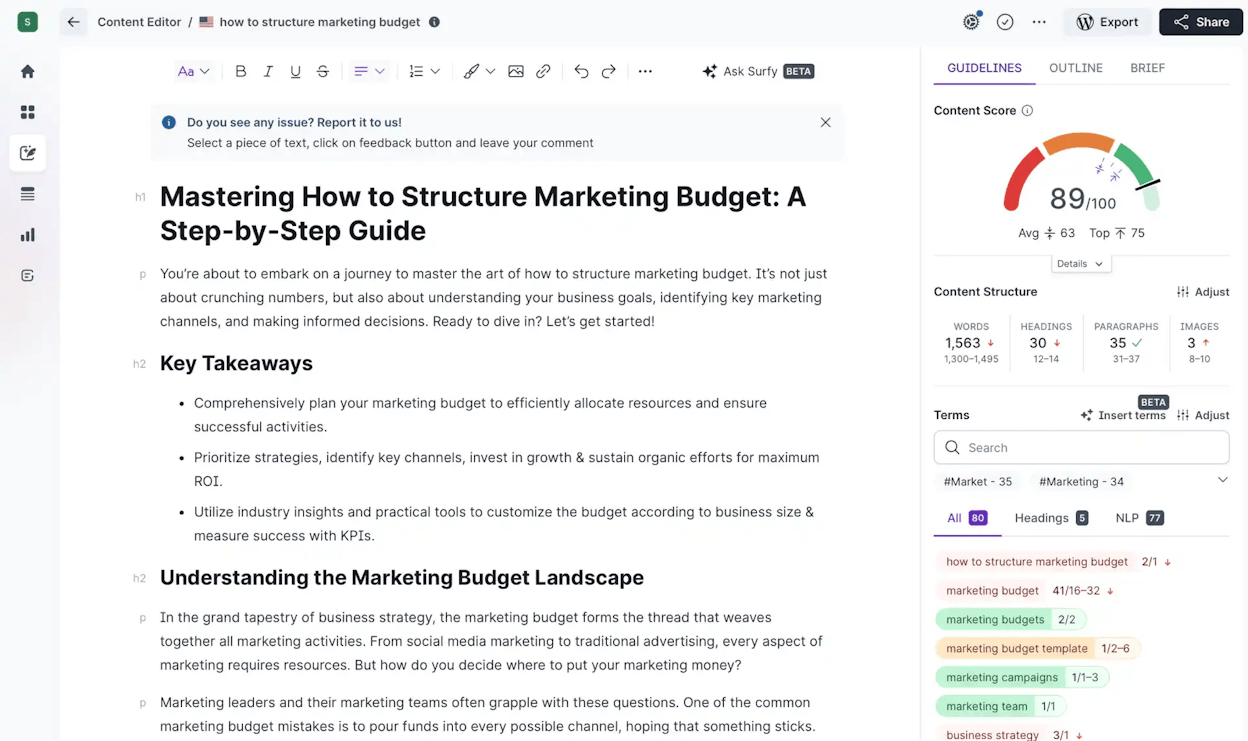
The Content Editor gives you a live score that updates as you write. The AI-driven auto-optimize feature inserts relevant terms without changing your meaning, and the internal linking tool suggests related pages from your domain.
Surfer recently added a “Facts” tab that scans top-ranking pages and flags missing information. The idea is that filling content gaps improves your chances of being cited in AI-generated answers. This makes Surfer indirectly useful for AI search optimization, even though it was not built for that purpose.
What stands out. Real-time feedback while writing. If your team publishes frequently and struggles with consistency, Surfer provides guardrails that keep every draft competitive.
What to watch. Surfer does not include backlink research, technical SEO audits, or AI visibility tracking. Teams that rely on content scoring too heavily can drift toward keyword stuffing. Use the score as a guide, not a target.
4. AlsoAsked
What it does. AlsoAsked pulls questions from Google’s People Also Ask boxes and organizes them into branching visual maps. You see how real users expand on a query, three levels deep.
Who it’s for. SEO professionals and content strategists building topic clusters or FAQ sections.
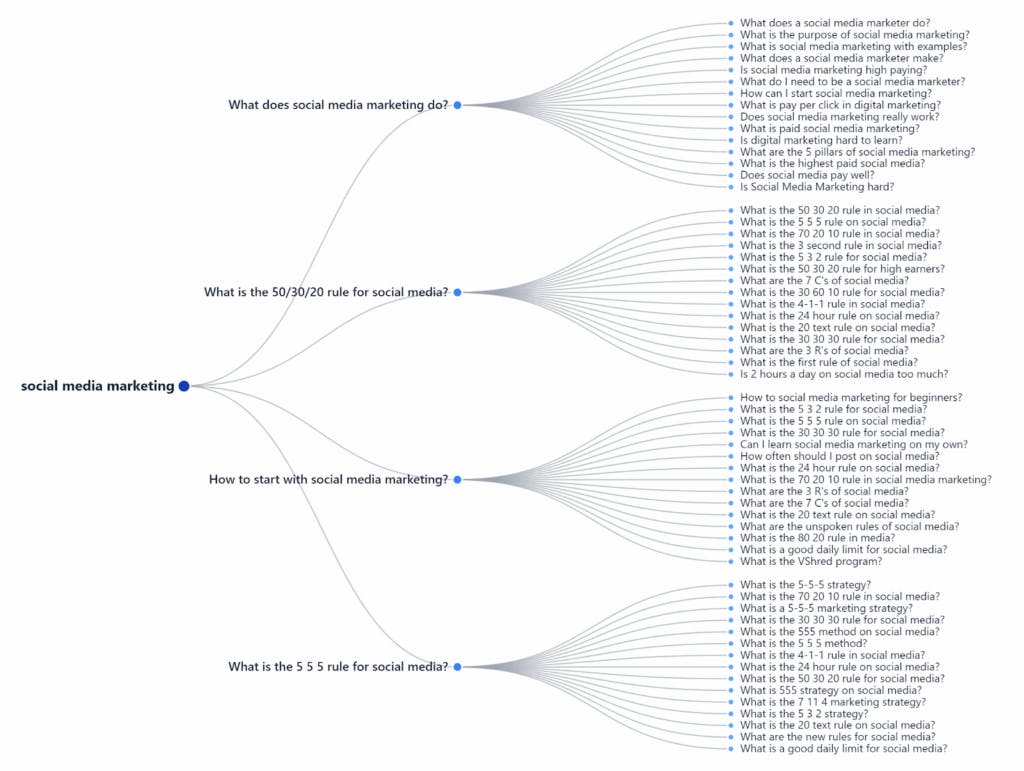
The tool is directly relevant to AI search because language models use a similar process called query fan-out. When a user asks ChatGPT a broad question, the model breaks it into sub-questions before assembling a response. Mapping People Also Ask patterns lets you plan content that covers the same territory AI engines explore when generating answers.
A “deep” search goes three levels and surfaces around 100 questions at once. That is enough to build a complete topic cluster or content brief from a single seed query.
What stands out. Low cost, simple interface, and a direct connection between PAA data and AI search behavior. It is one of the fastest ways to turn a keyword into a structured content plan.
What to watch. AlsoAsked does one thing. It does not optimize content, track rankings, or analyze backlinks. Treat it as a research input, not a standalone SEO tool.
5. Keyword Insights
What it does. Keyword Insights takes a list of keywords and groups them into topic clusters with search intent, volume, and competition data. From there, it generates content briefs and first-draft articles.
Who it’s for. Agencies and in-house teams managing large keyword sets who need to move from research to content production quickly.
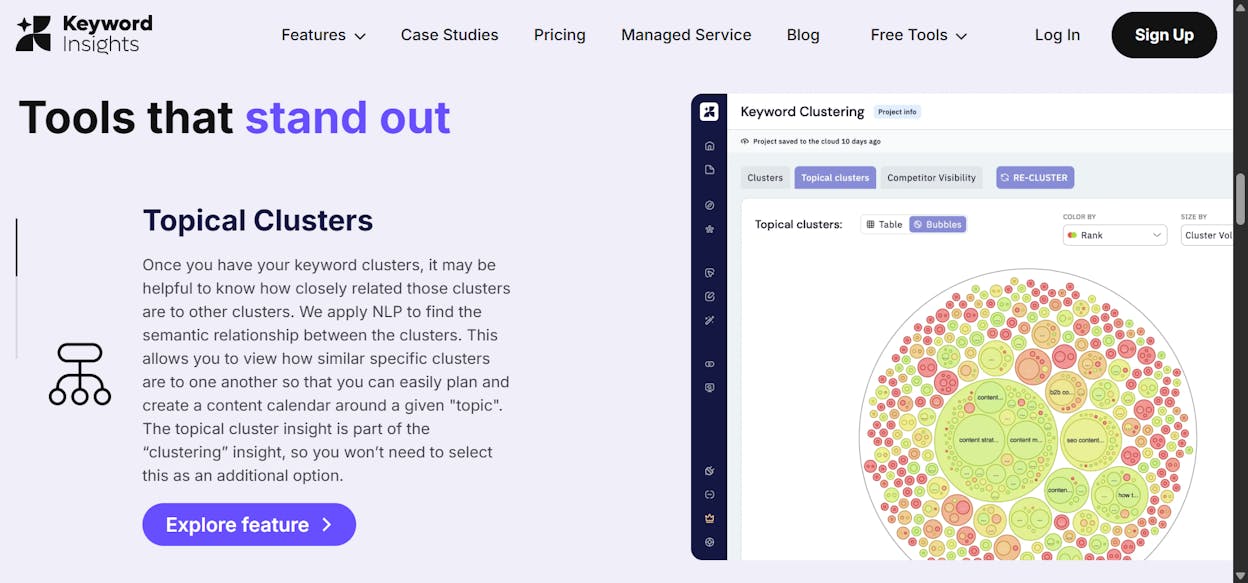
A newer feature, Social Sources, shows where platforms like Reddit, YouTube, and Quora appear in search results for your clusters. This matters for AI search because language models pull heavily from user-generated platforms. If Reddit dominates SERPs for your target keywords, it is likely influencing AI-generated answers too.
The platform runs on credits. One credit clusters one keyword. A full article with the AI Writer Agent costs 1,200 credits. This pay-per-use model scales well for agencies that manage many clients with varying needs.
What stands out. The research-to-content pipeline is tight. You go from raw keyword list to clustered plan to published draft without leaving the platform.
What to watch. Credit costs can climb quickly for teams running large-scale clustering and content generation. Budget carefully.
6. SparkToro
What it does. SparkToro is an audience research tool that shows where your target audience spends time online, which topics they care about, and which platforms they use.
Who it’s for. Content strategists and marketers who need to understand audience behavior before choosing channels or topics.
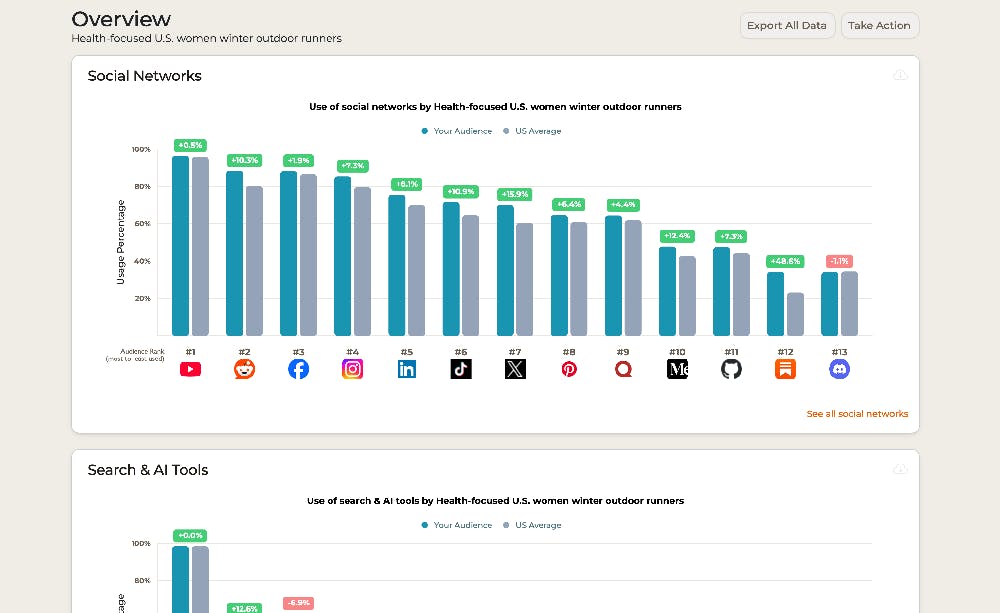
SparkToro is relevant to AI SEO because it reveals which AI tools your audience actually uses. If your audience prefers ChatGPT over Perplexity, you can prioritize your AI visibility efforts on that engine. The Topics tab also ranks subjects by affinity and saturation, helping you find underserved content opportunities.
What stands out. Natural language audience queries. You can type something like “decision-makers at mid-size SaaS companies” and get a full behavioral profile.
What to watch. SparkToro is a research tool, not an SEO execution tool. It informs strategy but does not help you create, optimize, or track content.
7. AirOps
What it does. AirOps is a workflow automation platform for SEO and content teams. It lets you design multi-step workflows using pre-built templates or custom drag-and-drop logic.
Who it’s for. Agencies and content ops teams that want to automate repetitive tasks like content refreshes, metadata optimization, and internal linking.
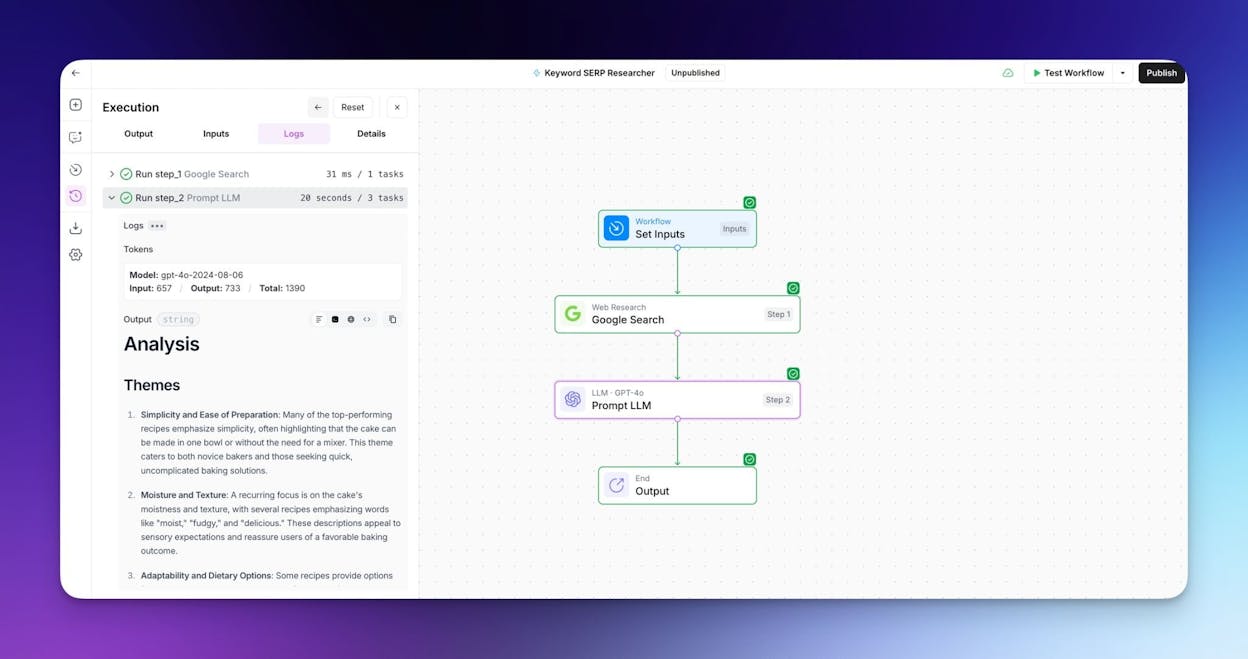
The “Refresh Existing Content” template is a strong starting point. You feed in URLs, and the workflow extracts content, analyzes readability, suggests edits for AI citation potential, and applies changes. A Knowledge Base feature lets you upload your own content so the AI writes in your brand voice.
What stands out. Template-driven automation that gets teams running quickly. If you need to refresh hundreds of pages, AirOps can save weeks of manual work.
What to watch. The interface can feel complex for new users. AirOps also does not include native AI visibility tracking or analytics. If you compare it to the agent builder inside Analyze AI, AirOps focuses narrowly on content workflows while Analyze AI connects those workflows to AI search data, CRM enrichment, PR monitoring, and executive reporting across 180+ nodes. For teams that need more than content automation, the difference matters.
8. Screaming Frog SEO Spider
What it does. Screaming Frog is a desktop crawler that scans your entire website for technical SEO issues like broken links, missing tags, redirect chains, and duplicate content.
Who it’s for. Technical SEOs and site managers who need deep crawl data and site structure visualization.
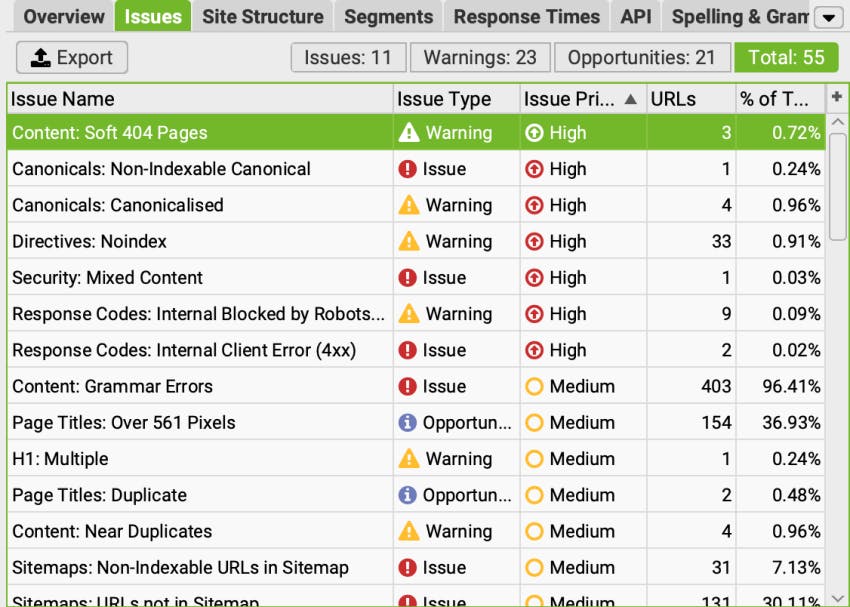
Recent updates integrate with OpenAI and Google Gemini, letting you automate tasks like generating missing image alt text during a crawl. You add your API key, define a prompt, and Screaming Frog fills in the tags at scale.
The interactive site map feature converts your site structure into a visual diagram. This makes it easy to spot orphaned pages, weak internal links, and crawl-depth problems that affect both traditional SEO and AI discoverability.
What stands out. The free version crawls up to 500 URLs, which is enough for many small sites. The depth of crawl data is hard to match with cloud-based tools.
What to watch. Screaming Frog is a desktop application, not a cloud platform. It does not track rankings, optimize content, or monitor AI visibility. The AI features are limited to prompt-based automation during crawls.
Start Tracking Your AI Search Visibility Today
SEO is not dead. But the channel mix is shifting. The brands that show up in both Google and AI-generated answers will capture the largest share of organic demand over the next two years.
If you already use traditional SEO tools, keep them. Then add a layer that tracks how AI engines represent your brand. Start by monitoring the prompts that matter most to your business. Track which engines cite your content. Measure the traffic that flows from AI answers to your site. And use that data to prioritize what you write and optimize next.
You can start with the Analyze AI free tools for keyword research and website authority checks, or jump straight into the platform to see how AI engines talk about your brand right now.

Ernest

Ibrahim


![50 GEO Statistics From Tracking 83,670 AI Citations [2026 Data]](/_next/image?url=https%3A%2F%2Fwww.datocms-assets.com%2F164164%2F1779314907-blobid0.png&w=3840&q=75)


